Karnataka's Bold Move to Replace Third Language with AI in Schools
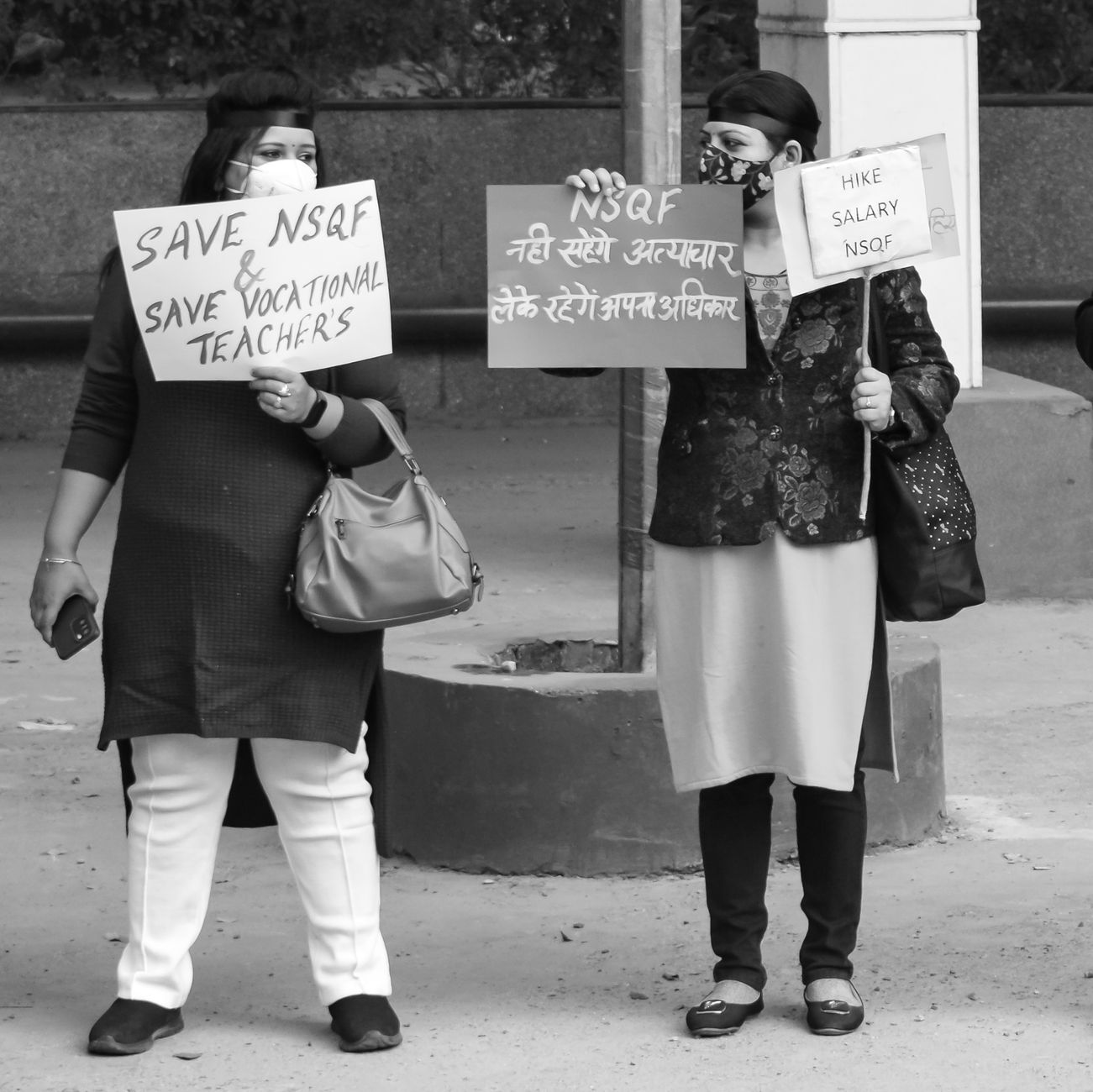
In a move that has stirred both anticipation and controversy, the Karnataka government has announced its decision to introduce Artificial Intelligence (AI) in skill education, replacing the traditional third language requirement in 1,652 government high schools. Scheduled to commence from the 2026-27 academic year, this initiative is part of the National Skills Qualifications Framework (NSQF).
This decision has not gone down well with the Karnataka State High School Assistant Teachers’ Association, particularly among Hindi teachers. Manjunath HK, the association's honorary president, expressed concerns that the reduced emphasis on learning a third language, often Hindi, could lead to job insecurity and diminish the cultural fabric of education. "With the third-language policy, most students naturally chose Hindi, given its prominence," he remarked.
State officials, however, argue that introducing AI into the curriculum is a necessary step to prepare students for the evolving job market. As technology continues to reshape industries, equipping students with AI skills is seen as essential. They emphasise that the change is aimed at reducing academic pressure by not counting third language marks towards final scores, thereby allowing students to focus on more pertinent skills.
The Debate on Cultural Versus Technical Skills
The initiative has sparked a broader debate on the balance between technical and cultural education. While some educators argue that proficiency in multiple languages enhances cognitive abilities and cultural awareness, others highlight the growing importance of technical skills in securing employment in the digital age.
The state's decision reflects a broader global trend of integrating AI into education systems. However, it also raises questions about the implications for traditional language teaching and the role of cultural education in a rapidly modernising world.
As the state prepares for this educational shift, stakeholders from various sectors are urging a cautious approach to ensure that students receive a holistic education. It remains to be seen how this balance will be struck, but the dialogue between technological advancement and cultural preservation is one that will undoubtedly continue.