Karnataka's Education Crisis: Activists Demand Urgent Reforms
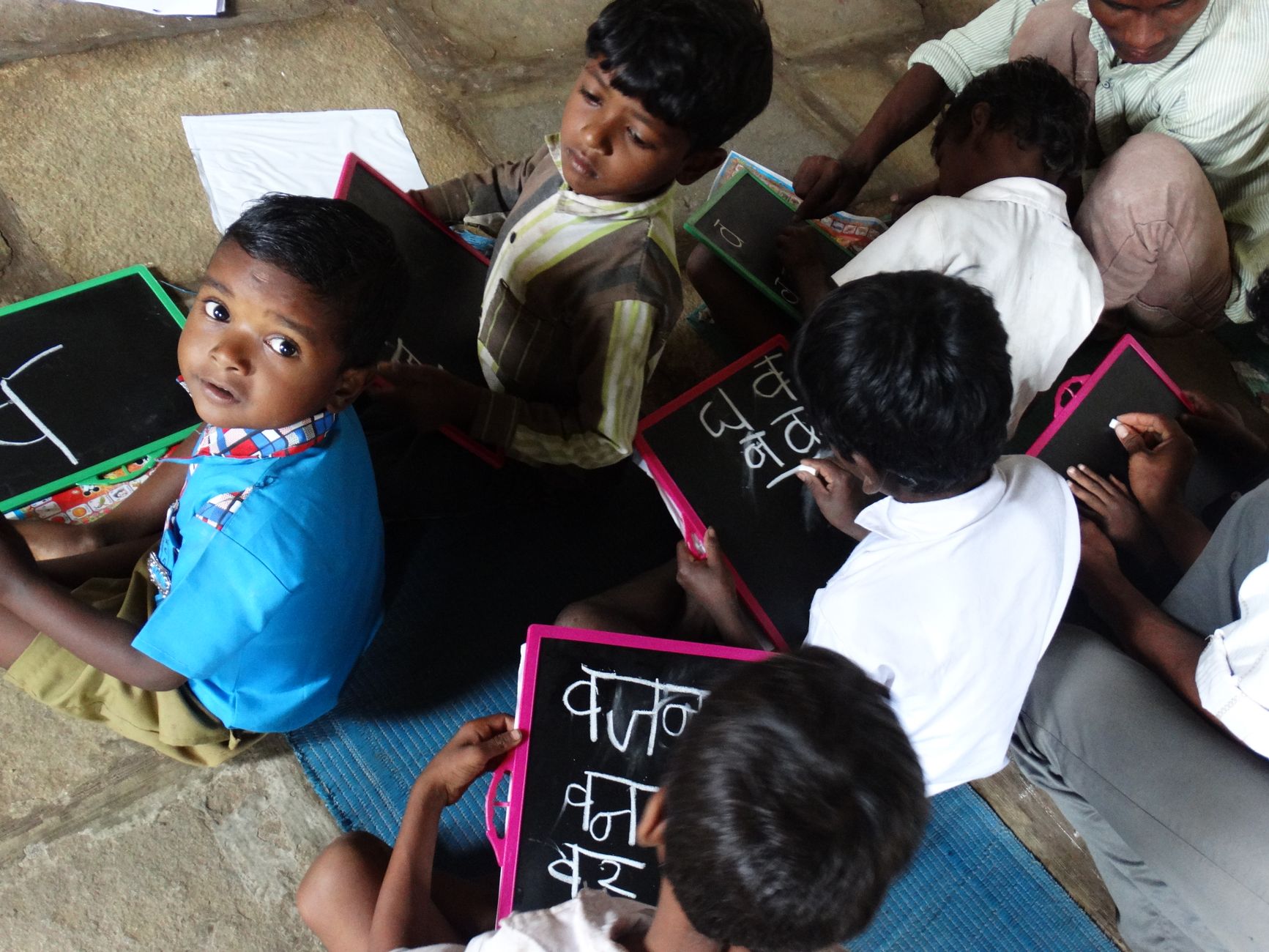
In the sun-drenched streets of Karnataka, a growing chorus of voices is calling for urgent reforms in the state's education system. Activists, alarmed by the 'dire state' of education, are rallying against what they describe as the detrimental effects of privatisation and neglect of government-run schools.
The controversy centres on the state's decision to merge schools with low enrolment figures into the Karnataka Public School (KPS) Magnet Schools system. This move, intended to streamline resources and provide quality education, has been met with fierce opposition from student leaders and educationalists who fear it signals the demise of government schools, particularly in rural areas.
According to the latest Unified District Information System for Education Plus (UDISE+) report, Karnataka holds the dubious distinction of having the highest secondary school dropout rate among India's 28 states. This statistic has served as a rallying cry for activists who argue that the government's policies are failing the very students they are meant to help.
The Fight for Public Education
Critics of the state government's approach contend that the focus on privatisation undermines the core goals of equity and accessibility. 'We are witnessing an erosion of public education,' says Sneha Kumar, a vocal student leader. 'Rural schools are being stripped of resources, while funds are channelled into profit-driven initiatives.'
Supporters of the government, however, argue that the merger with KPS Magnet Schools is a pragmatic response to dwindling enrolments and a chance to provide holistic education under a single umbrella. They claim that this approach aligns with the objectives of the National Education Policy 2020, which advocates for an integrated educational framework.
Finding a Path Forward
The debate reflects broader tensions between state and federal educational policies. The Karnataka State Education Policy 2025 has been scrutinised for its deviations from the National Education Policy, particularly in its handling of budget allocations and localised reforms.
As the state grapples with these challenges, activists continue to press for immediate measures to bolster infrastructure and safeguard rural schools. Their demands highlight a critical need to balance innovation with inclusivity, ensuring that no child is left behind in the pursuit of a better education for all.