Kashmir Concerns: New Business Rules Threaten Environment
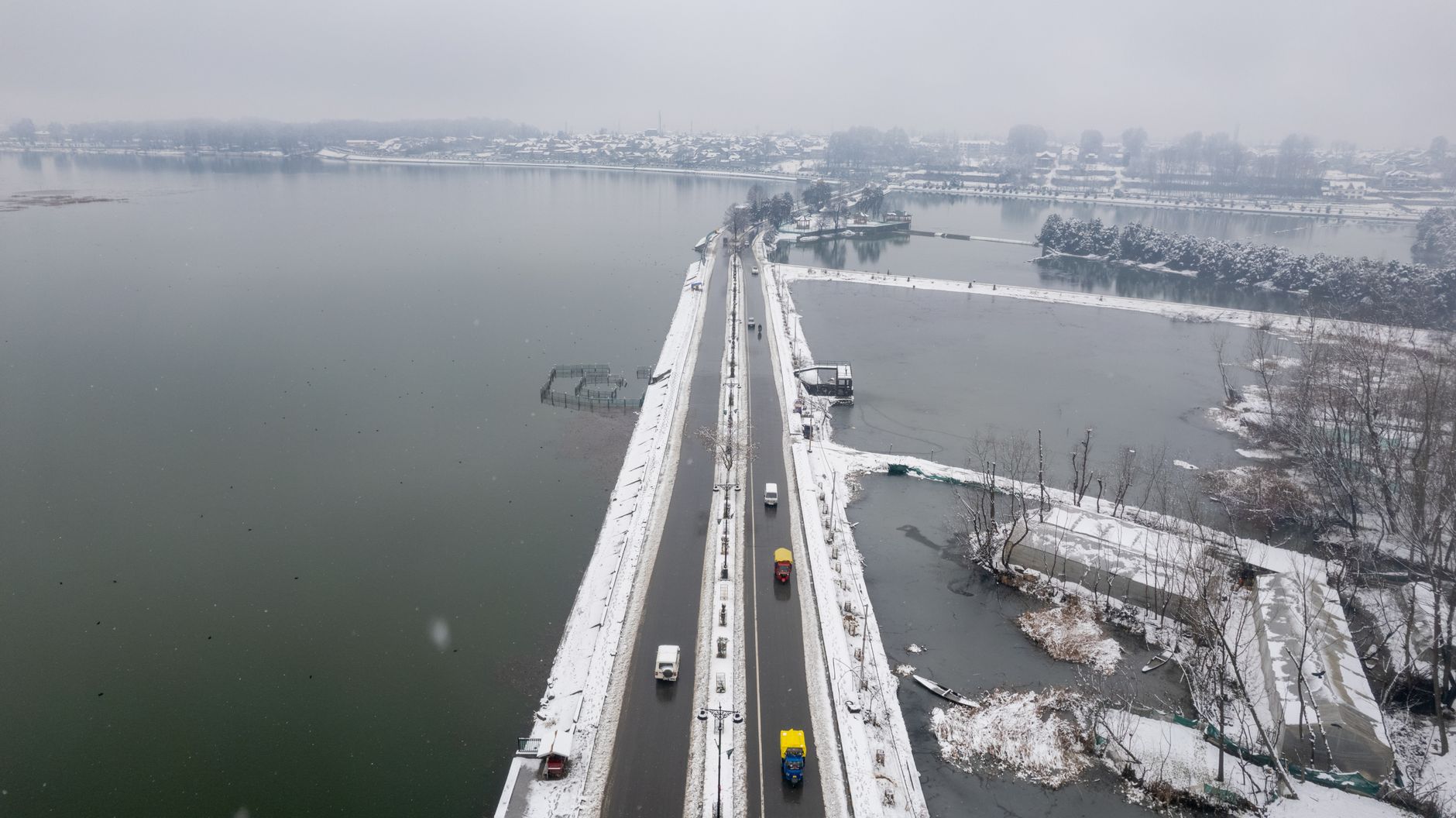
In the picturesque valleys of Kashmir, a new storm is brewing, not of the meteorological variety, but one of regulatory upheaval. The Group of Concerned Citizens, a local civil society, has sounded the alarm over the recent introduction of 'Ease of Doing Business' rules that they claim could spell disaster for the environment and residential areas. This warning comes as the government endeavours to streamline regulations to attract investment and stimulate economic growth in the region.
The group cautions that these new rules might unleash a wave of feverish construction, potentially transforming the serene landscapes into concrete jungles. "This isn't just about business," said a spokesperson for the group. "It's about preserving our environment and way of life in Kashmir." The regulations aim to simplify bureaucratic processes, but critics argue they could also lead to lax oversight and rampant development.
Impact on Ecosystem
Kashmir's ecosystem is particularly vulnerable, characterised by its unique biodiversity and delicate ecological balance. The region's wetlands, forests, and water bodies play a crucial role in maintaining this balance. Environmentalists fear that increased construction could lead to habitat destruction, pollution, and a loss of biodiversity. "Once disrupted, these ecosystems may never recover," warned an environmental scientist familiar with the area.
While the government's intentions to boost the local economy are clear, the potential environmental costs cannot be overlooked. The rules, as they stand, may favour rapid development at the expense of sustainable practices. The group has urged for a more balanced approach, advocating for strict environmental assessments and comprehensive regulations that protect the natural environment.
Residential Concerns
Beyond environmental worries, the new regulations could also impact residential areas. The potential for large-scale construction projects means that existing communities may face displacement or a significant change in their living conditions. The group argues that such changes threaten the traditional way of life that has existed for generations in Kashmir's villages and towns.
As the debate over these regulations unfolds, it will be crucial for policymakers to consider the long-term impacts on both the environment and the people. Balancing economic growth with environmental stewardship and social welfare remains a complex challenge. The onus now lies on the authorities to ensure that the path to progress does not trample upon the valley's ecological and cultural heritage.