Kashmir's Dal Lake: A Jewel in Peril
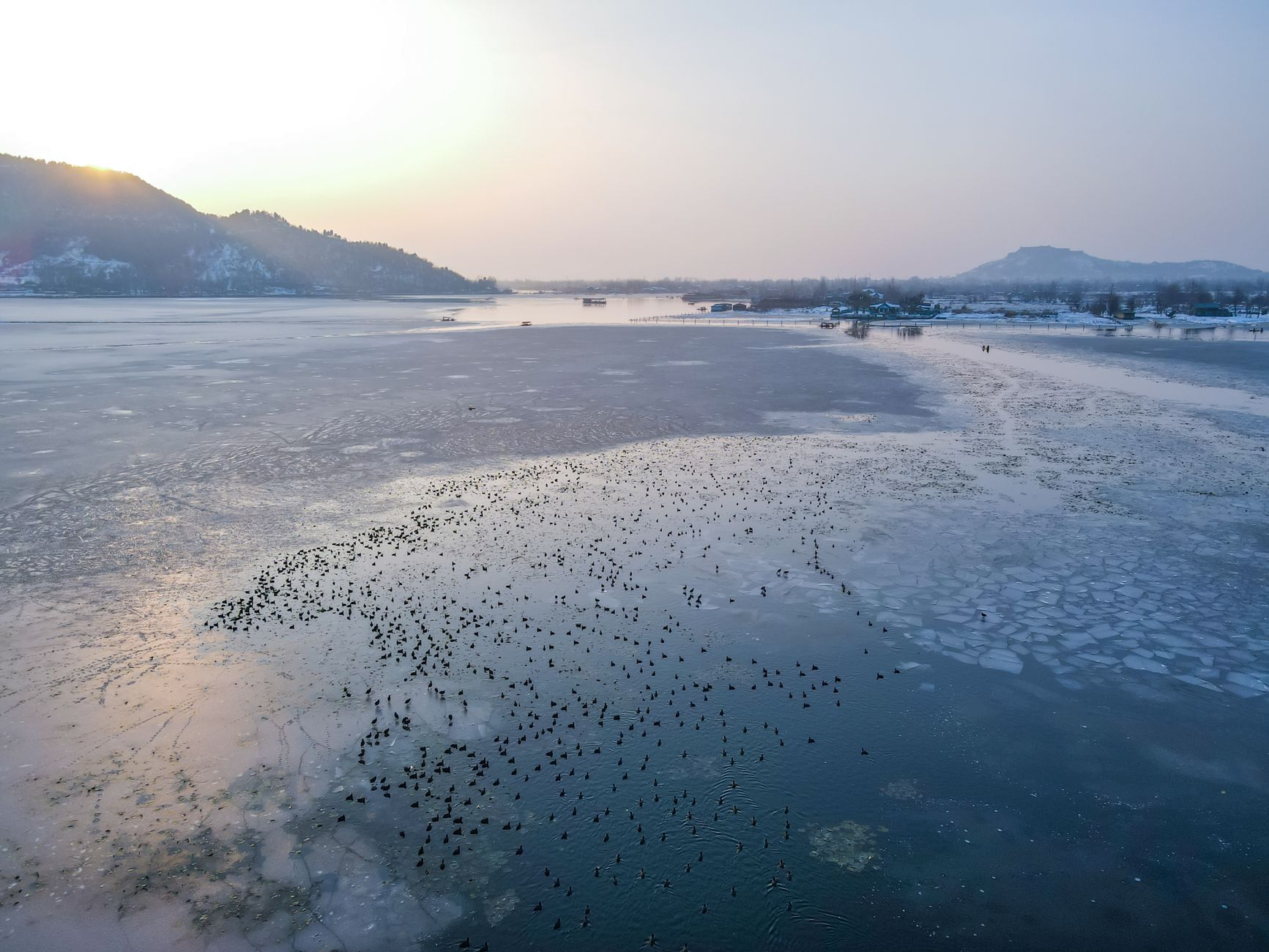
As dawn breaks over Srinagar, the tranquil waters of Dal Lake reflect the first light of day, marred only by a pervasive green tinge. This is not the natural beauty for which the lake is famed; rather, it is an alarming sign of ecological distress.
Dal Lake, nestled in the heart of Kashmir, is more than just a scenic spot. It is a vital part of local life and culture, supporting floating markets and providing livelihoods for many. Yet, the lake is under siege from multiple fronts: pollution, climate change, and unbridled urbanisation.
The National Green Tribunal has raised alarms about the lake's deteriorating state. The waters are now laden with organic waste, leading to rampant algae blooms. Once-pristine stretches are now choked with vegetation, a consequence of untreated sewage and agricultural runoff.
Climate Change and Urban Pressure
Climate change exacerbates the situation, with erratic rainfall and rising temperatures accelerating the lake's decline. Unplanned urban sprawl around Srinagar further stresses its fragile ecosystem. Construction debris and plastic waste often find their way into the lake, compounding the problem.
Efforts to restore Dal Lake have been substantial, with over ₹500 crore invested in recent years. Yet, the scale of the challenge is immense. Simply clearing weeds and dredging silt are temporary fixes. Sustainable, long-term strategies are essential.
A Call to Action
Experts argue for a comprehensive management plan that balances environmental preservation with community needs. This includes regulating construction, improving sewage treatment, and promoting eco-friendly tourism.
For now, the sight of a boatman collecting weeds for manure on the lake's surface is a poignant reminder of the delicate balance between nature and human activity. The future of Dal Lake hangs in the balance, a jewel in peril that demands urgent attention.