Kashmir's Dal Lake: A Jewel Under Siege
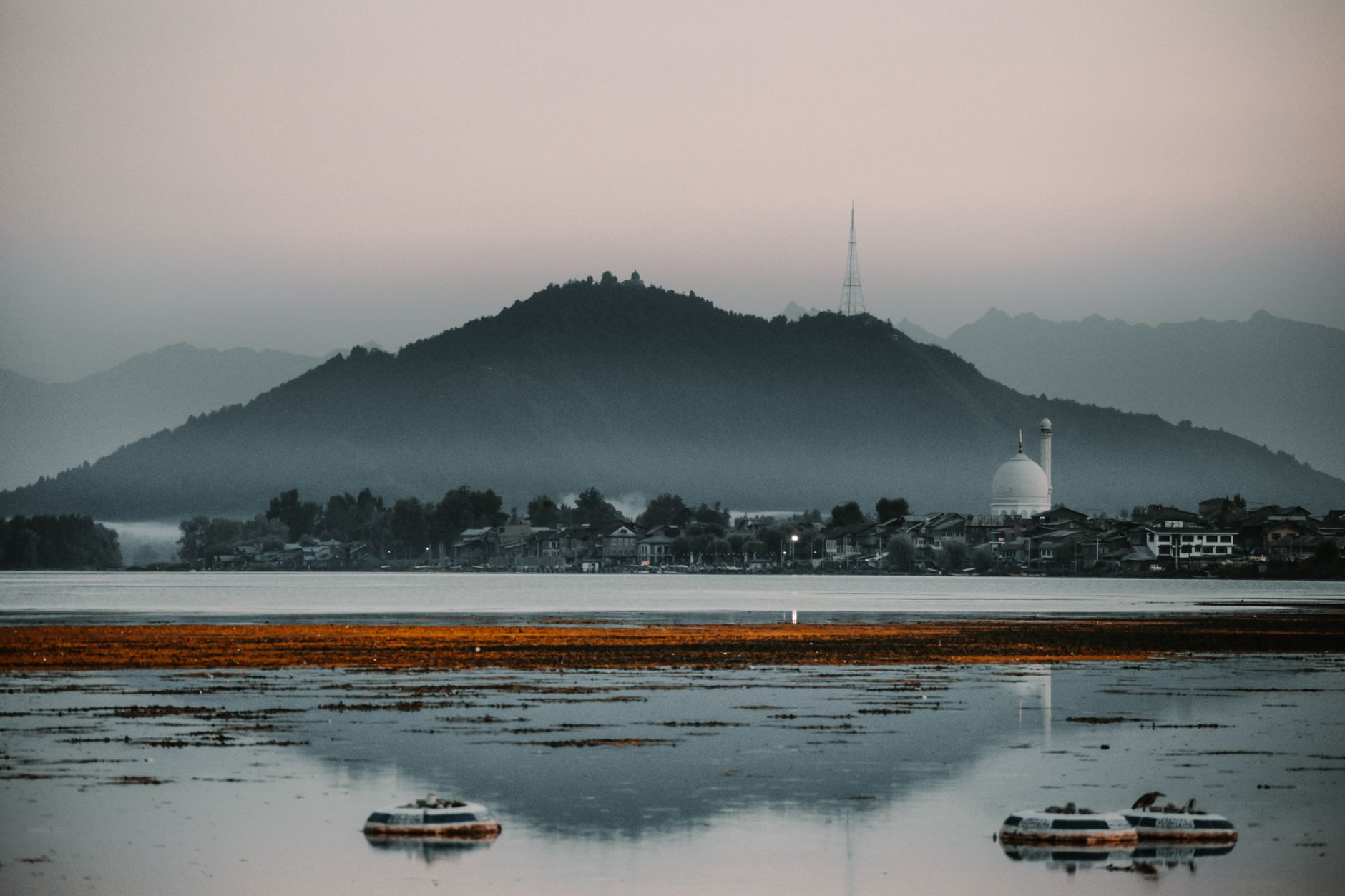
As the early morning mist rises over Dal Lake, the shimmering waters paint a picture of serenity. Yet, beneath this tranquil surface, the lake is waging a quiet battle against a host of environmental challenges. Once the pride of Kashmir's tourism industry, this iconic lake now stands as a poignant reminder of human impact on nature.
Dal Lake's troubles are manifold. Pollution from nearby settlements has tainted its once-pristine waters, with chemical run-off and waste disposal practices exacerbating the situation. Dr. Romshoo, a renowned researcher in glaciology and climate change, warns, "The water crisis here is largely man-made, with pollutants making the lake's water undrinkable due to high chloroform levels."
A Shrinking Jewel
Climate change has further compounded these woes. Rising temperatures and erratic precipitation patterns have altered the lake's delicate ecosystem. Shrinking water levels threaten the habitat of several aquatic species, putting biodiversity at risk. The floating gardens and houseboats, beloved by tourists, are also facing an uncertain future.
Moreover, unplanned urban development has encroached upon the lake's shores. New constructions, often unauthorised, have cut into the lake's surface area, affecting both its natural beauty and its ecological balance. The impact on tourism, a vital lifeline for the local economy, has been palpable.
Reviving a Legacy
Efforts to mitigate these issues are underway, but progress is slow. The local government, alongside environmental activists, is working towards sustainable development models. Initiatives to clean the lake's waters and regulate construction are crucial steps in preserving this natural wonder.
As Dal Lake fights for survival, it serves as a microcosm of broader environmental challenges facing the region. The urgency to act is undeniable, for the loss of Dal Lake would be more than a loss of livelihood; it would be a loss of cultural heritage and natural beauty that has inspired generations.