Kashmir's Dal Lake: A Jewel Under Siege
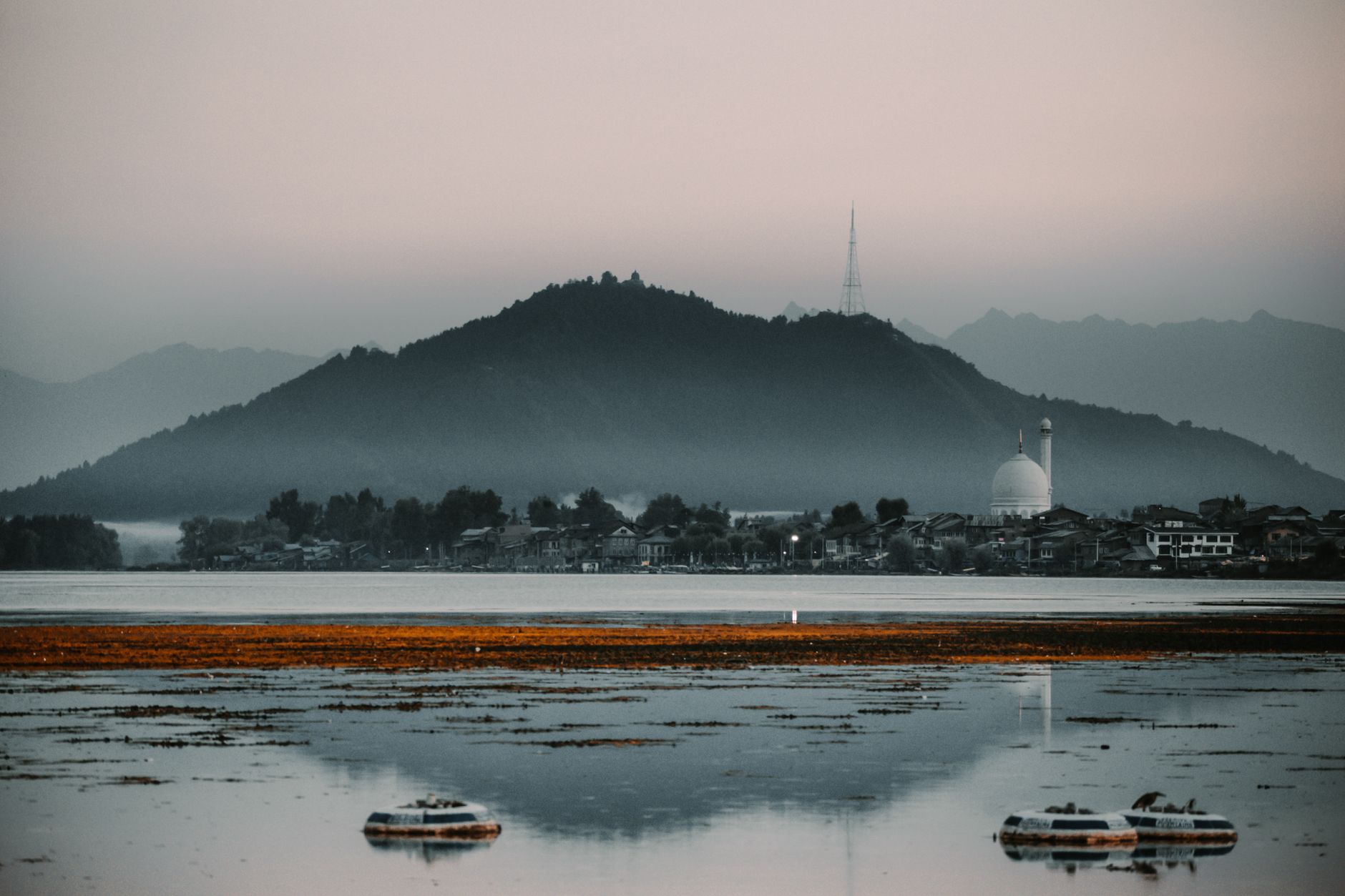
In the tranquil early hours, as the sun rises over the Pir Panjal range, Dal Lake glistens like a diamond set amidst the lush green of Kashmir. Yet beneath its serene surface, this iconic body of water is in distress. The once-pristine waters are now beleaguered by pollution, unchecked development, and the relentless march of climate change.
Dal Lake, often hailed as the 'Jewel in the Crown of Kashmir', is not just a major tourist attraction. It is a lifeline for the local communities, providing livelihoods through fishing, agriculture, and tourism. However, these very activities, coupled with burgeoning urbanisation, are contributing to its decline.
Pollution and Urbanisation
The lake's woes are compounded by pollution. Waste from nearby settlements and houseboats finds its way into the water, increasing the load of harmful nutrients that fuel the growth of algae and weeds. These invasive species choke the lake, reducing its depth and oxygen levels, making it inhospitable for aquatic life.
Moreover, the unplanned expansion of Srinagar city encroaches on the lake's periphery. Buildings and roads replace natural buffers, disrupting the lake’s ecology and exacerbating water quality issues.
Climate Change Impact
Adding to the lake's troubles is the spectre of climate change. Rising temperatures alter precipitation patterns, affecting the lake’s water inflows. In recent years, erratic weather has led to periods of both drought and flooding, each leaving its own scars on the lake’s delicate ecosystem.
Researchers like Professor Shakil Romshoo, an expert in glaciology and climate change, highlight that the lake's condition mirrors broader environmental changes in the region. 'The water crisis is largely a consequence of human activity,' he notes, pointing to the high chloroform content that renders the water undrinkable.
The Call for Action
The plight of Dal Lake serves as a clarion call for sustainable management and conservation efforts. Environmentalists urge the government and local authorities to implement stricter regulations on waste disposal and urban development. Restoration projects, focusing on the removal of encroaching vegetation and the promotion of eco-friendly tourism, are essential to safeguard the lake’s future.
For generations, Dal Lake has been a source of inspiration and sustenance. Its survival is not just a matter of environmental concern but also of cultural preservation. As Kashmir navigates the challenges of modernity, the fate of Dal Lake will be a litmus test for the region’s commitment to its natural heritage.