Kashmir's Dal Lake: A Pristine Beauty on the Brink
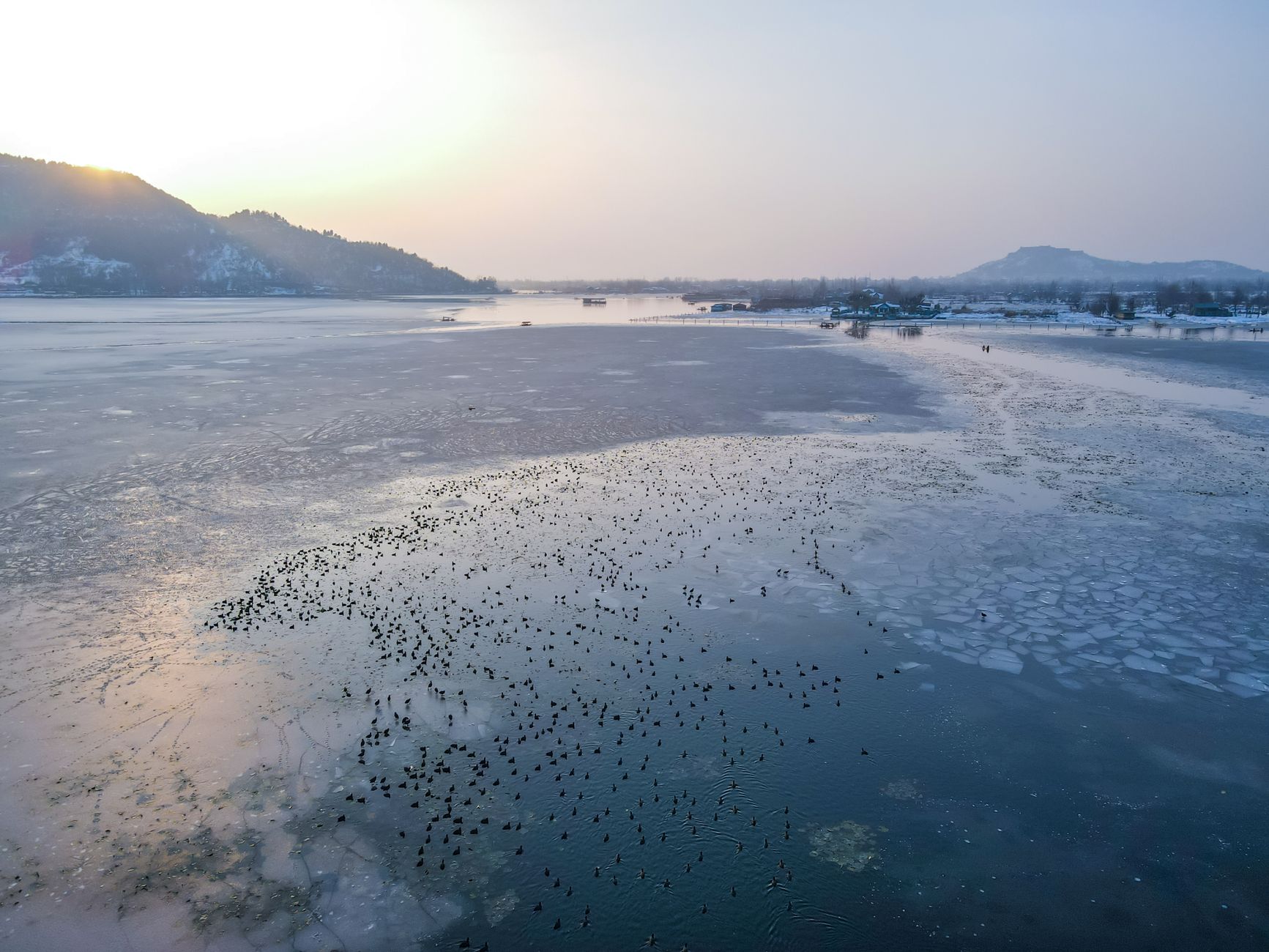
As the morning mist rises over Dal Lake, it reveals a picture of serene beauty marred by an unsettling reality. Once the crown jewel of Kashmir's tourism, the lake is now a battleground of environmental woes. Its once crystal-clear waters are now choked with weeds and debris, reflecting not just the sky, but the harsh truth of neglect.
For decades, Dal Lake has been a symbol of Kashmir's cultural and natural heritage. Its floating gardens, known locally as 'raads', are a testament to human ingenuity, where vegetables and flowers bloom on water. Houseboats offer a unique slice of life, drawing tourists from around the globe. Yet, beneath this idyllic surface, the lake is crying for help.
Environmental Strain
Pollution is the most visible adversary. Untreated sewage and waste from surrounding settlements have found their way into the lake, accelerating its deterioration. The rising population around the lake's periphery has compounded these issues, with more waste and fewer resources for sustainable management.
Climate change adds another layer of complexity. With shifting weather patterns, the lake's ecosystem is under unprecedented stress. Warmer temperatures and irregular rainfall have affected the lake's water levels and biodiversity, threatening the delicate balance that sustains it.
The Human Cost
The plight of Dal Lake is not just an environmental concern; it is a human one. Thousands depend on the lake for their livelihoods, from fishermen to those running shikara rides. If the lake continues to degrade, these communities face economic ruin.
Efforts to save Dal Lake have been underway, but progress is slow. The Lake Conservation and Management Authority (LCMA) has been working to curtail pollution and encroachments, yet local resistance and bureaucratic hurdles often stall meaningful action.
As the sun sets behind the Himalayan peaks, the lake glimmers with a haunting beauty. It stands as a reminder of what is at stake. Saving Dal Lake requires urgent, coordinated action from both local stakeholders and the broader global community. Without this, we risk losing not just a natural wonder, but a vital part of Kashmir's soul.