Kenya's Bold Move: President Ruto Orders Tata Chemicals to Exit
In a move that has sent ripples through the business community, Kenya's President William Ruto has directed Indian conglomerate Tata Chemicals to halt its operations in the nation, effectively ending a century-long presence. This edict, delivered with a rhetorical flourish—'Are we slaves to other people?'—seeks to reclaim control over Kenya's natural resources, particularly the lucrative soda ash deposits at Lake Magadi.
The decision underscores Ruto's administration's determination to ensure that the wealth generated from Kenya's natural assets benefits its citizens first. For years, the Magadi Soda factory has been a significant exporter, contributing to the local economy but, according to critics, not sufficiently investing in the surrounding Kajiado community.
The Long Road to Ruto's Decision
Tensions had been simmering since earlier this year when Mining Cabinet Secretary Hassan Joho ordered the suspension of Tata's mining operations. The government's stance is clear: foreign companies must not merely extract resources but also invest in local development and employ local people. It is a sentiment echoed by many African leaders who are increasingly wary of foreign exploitation of their countries' natural wealth.
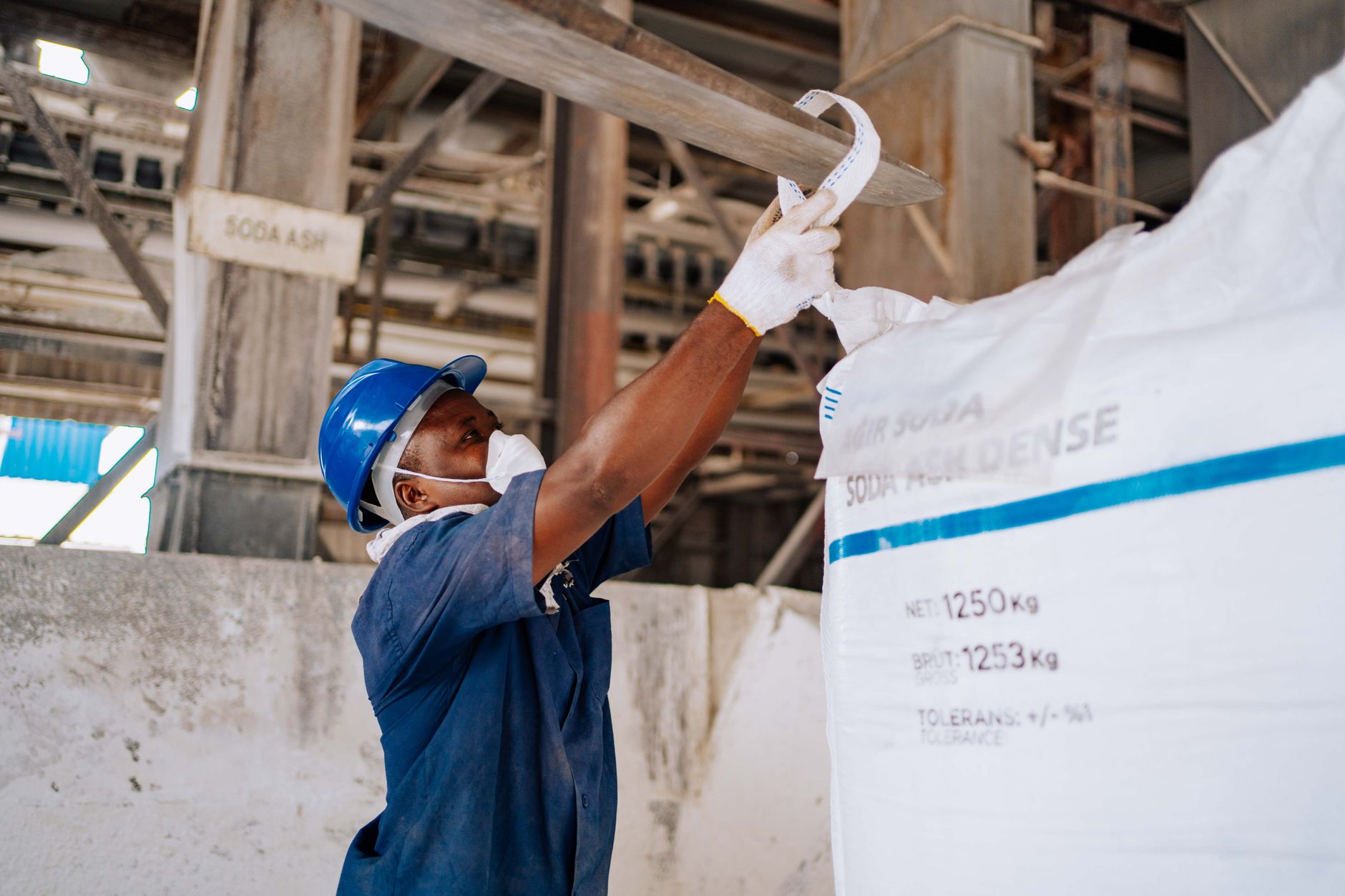
For Tata Chemicals, the directive is a significant blow. The company had been exporting soda ash, a critical component in glass and detergent manufacturing, to various markets, including India. However, the lack of substantial infrastructure development in Kajiado and employment opportunities for local residents has been a point of contention.
Implications for Kenya's Business Environment
President Ruto's decision may well resonate beyond Kenya's borders, as it reflects a broader continental shift towards economic nationalism. Countries across Africa are increasingly scrutinising foreign investments to ensure they align with national interests.
While some critics worry this could deter foreign investment, others argue that it is a necessary step towards sustainable development. By insisting that companies contribute to local economies, African nations hope to build a more equitable future where their resources are not merely siphoned off for the benefit of foreign entities.
As Kenya navigates the aftermath of this bold move, the world will be watching closely. Whether this decision bolsters local development or stifles foreign investment remains an open question, but one thing is certain: Kenya is determined to chart its own course in the global economy.