Kenya's Ultimatum to Tata Chemicals: A Call for Local Investment
In a dramatic twist during a visit to Kajiado, President William Ruto delivered a forthright verdict against Tata Chemicals, questioning the company's long-standing presence in Kenya. Ruto's accusation was clear: the Indian multinational had failed to generate substantial economic benefits for the local populace, despite decades of operation in the region.
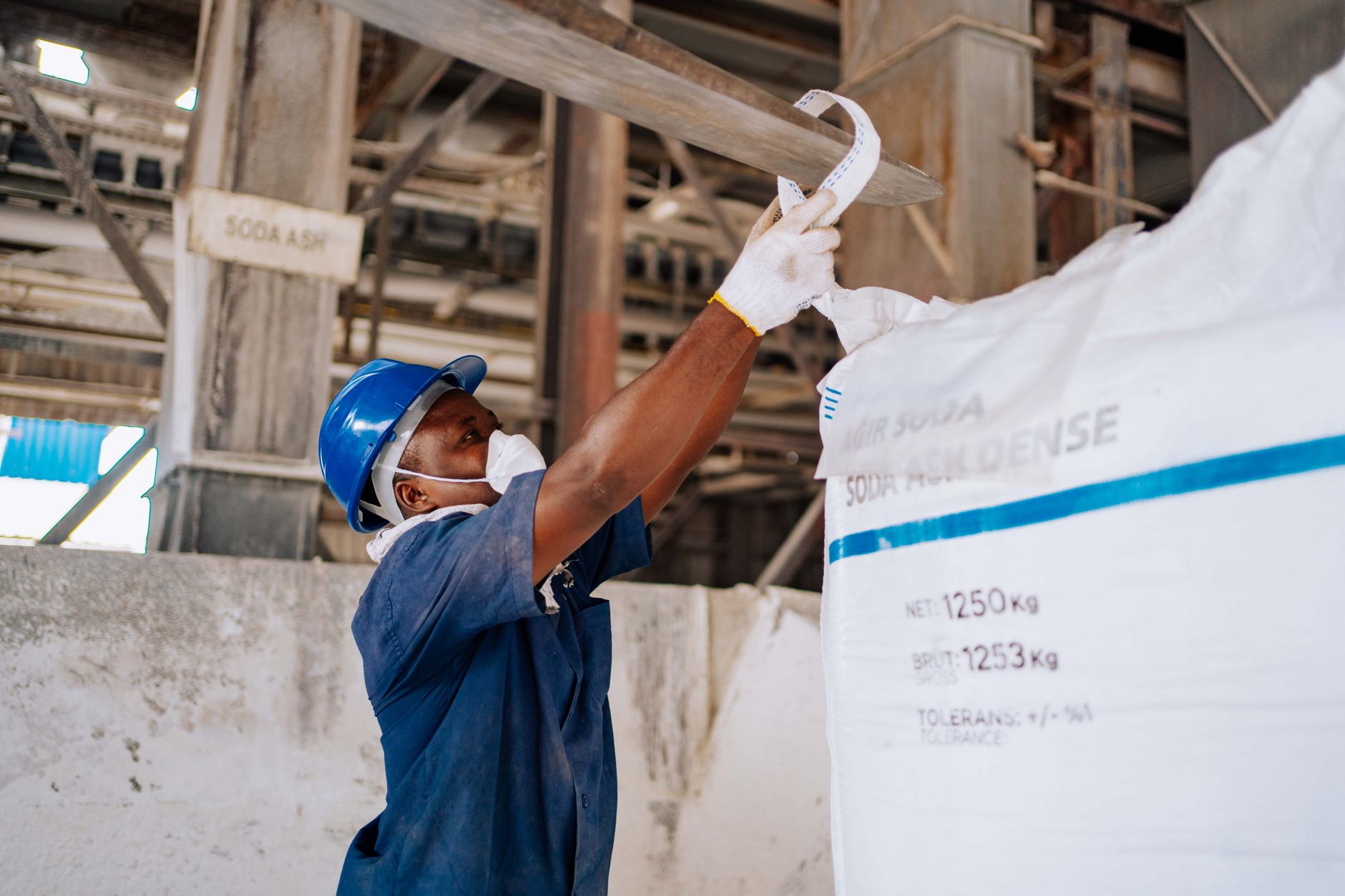
At the heart of this controversy is the export of raw soda ash from the scenic Lake Magadi, a practice that, according to Ruto, deprives the Kenyan economy of added value. By processing the mineral domestically, Ruto argues, more jobs could be created, and local industries could flourish. Instead, the raw material has been shipped abroad, leaving a trail of unfulfilled promises in its wake.
The Economic Dilemma
The president's pronouncement has opened a new chapter in the discourse on foreign investment in Kenya. While multinational companies bring capital and expertise, there is growing concern that their operations do not always align with national economic goals. Ruto's call to action reflects a broader sentiment that foreign investors should contribute more significantly to local development.
Kenya's government has indicated that it plans to invite two new firms to take over operations at Lake Magadi. This move, it hopes, will catalyse the kind of local industrial development that has been elusive under Tata's tenure. The specifics of these plans remain to be detailed, but the president's intentions are unmistakable.
Implications for Global Business
This episode serves as a cautionary tale for multinational corporations operating in developing countries. As host nations become more assertive in demanding meaningful contributions to their economies, companies might find themselves reassessing their strategies. The balance between leveraging local resources and ensuring sustainable development is delicate, and failure to navigate it can lead to significant repercussions.
As the dust settles on this unfolding drama, the world watches to see how both Kenya and Tata Chemicals will navigate these choppy waters. For Ruto, the stakes are high: he has staked his claim on fostering a more self-reliant Kenyan economy. For Tata, the challenge is to either adapt to these demands or find new pastures elsewhere.