Kerala University's Bold Move: Banning Politics on Campus
In a move that has sent ripples through the academic community, Kerala University has introduced a sweeping ban on all political activities within its campus. The university's new code of conduct, which enforces strict regulations and severe penalties for violations, aims to create a more focused educational environment.
This bold decision follows a series of disruptions attributed to political clashes, which reportedly hindered the academic progress of students. The university administration argues that politics has overshadowed academics, necessitating a firm stance to restore order and focus.
Mixed Reactions from Students and Faculty
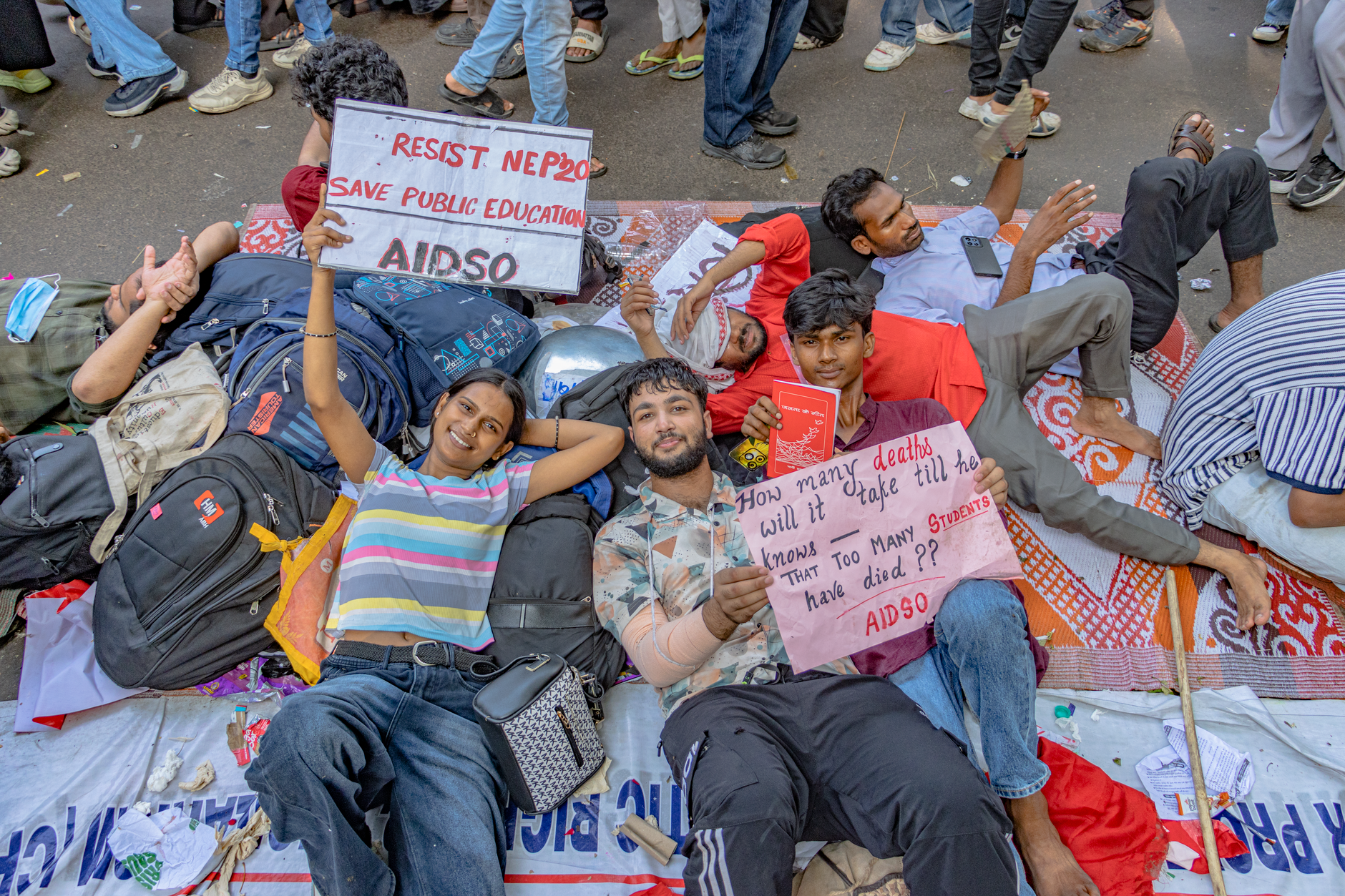
Reactions to the ban have been mixed. Many students and faculty members have expressed concern over the potential stifling of free expression and democratic engagement, which they believe are crucial elements of higher education. "University is a place where young minds should engage in debate and develop their views," argued a student leader.
However, there are those who support the new regulations, viewing them as a necessary intervention to protect academic integrity. "The university must prioritise education over politics. This is a step in the right direction," remarked a faculty member.
Historical Context and Future Implications
The political landscape in Kerala's universities has long been vibrant, with student unions playing a pivotal role in state politics. This makes the ban particularly controversial, as it challenges a tradition of active political engagement.
While the university administration remains firm, it acknowledges the ban as part of a broader strategy to evaluate and improve the campus environment. The long-term implications of this decision could reshape how student politics is perceived and practised across the region.
As the debate continues, the university insists that the focus should remain on education, leaving many to ponder the fine balance between academic pursuit and political freedom.