Kerala's Education Reforms Face Stiff Opposition from Left Organisations
In the heart of Kerala, a battle over education reform is brewing. The state's ambitious plans to overhaul its higher education system have met with fierce resistance from left-wing organisations. The focus of contention is the Four-Year Undergraduate Programme (FYUGP), which has been slated for review and potential revamp.
The Kerala State Higher Education Council (KSHEC), led by its newly appointed vice-chairperson Achuthsankar S. Nair, recently accepted an interim report from an expert panel. This report outlines proposals aimed at refining the FYUGP, a programme introduced by the previous Left Democratic Front (LDF) government. However, the reception from certain quarters has been anything but favourable.
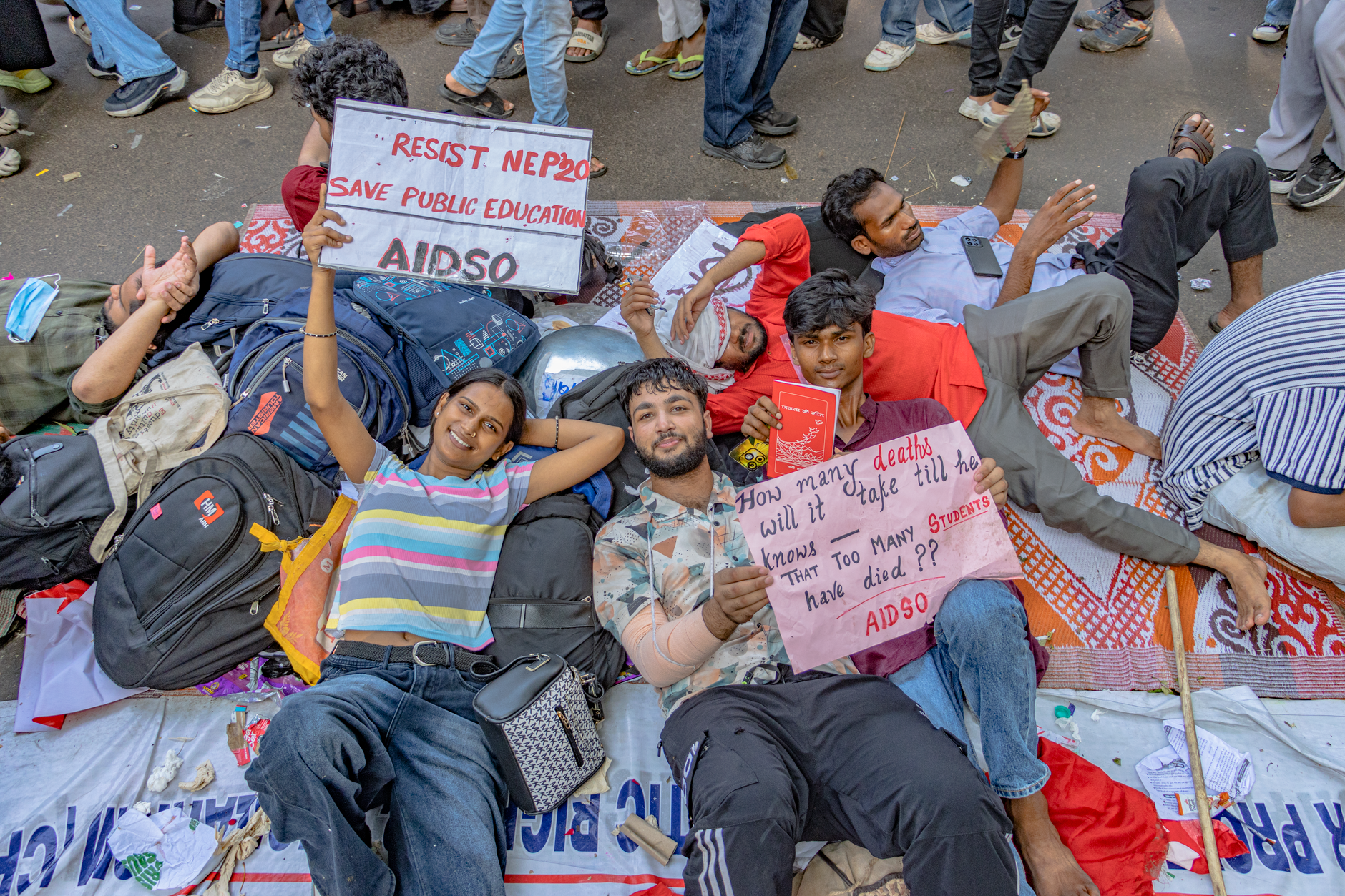
Left organisations argue that the proposed changes could dilute the quality of education and stray from the original goals of the programme. Their concern is that these reforms might prioritise alignment with global standards over local educational needs and values. While the KSHEC aims to attract international students and foster global collaborations, critics warn against sacrificing the programme's core principles.
A Balancing Act
Mr Nair has been keen to stress that the intention is not to dismantle the FYUGP, but to enhance it. "We are looking at refining the programme, not tearing it down," he stated, attempting to allay fears of drastic changes. This stance, however, has not placated all parties involved.
The debate over the FYUGP is reflective of larger ideological battles within the state. On one side, there is a push for modernisation and global integration, while on the other, a call to preserve educational autonomy and quality rooted in local context. The discourse underscores the complexity of implementing educational reforms in a politically vibrant state like Kerala.
What Lies Ahead?
As discussions continue, the KSHEC faces the daunting task of balancing these competing priorities. The council's challenge will be to navigate these waters without alienating key stakeholders, ensuring that the reforms do not come at the expense of educational integrity.
The outcome of this debate could set a precedent for how education reforms are approached in the future, not just in Kerala, but across India. As it stands, the state is at a crossroads, with the potential to redefine its educational landscape or risk deepening divisions.