KVASU Leads Charge in Antimicrobial Stewardship Training
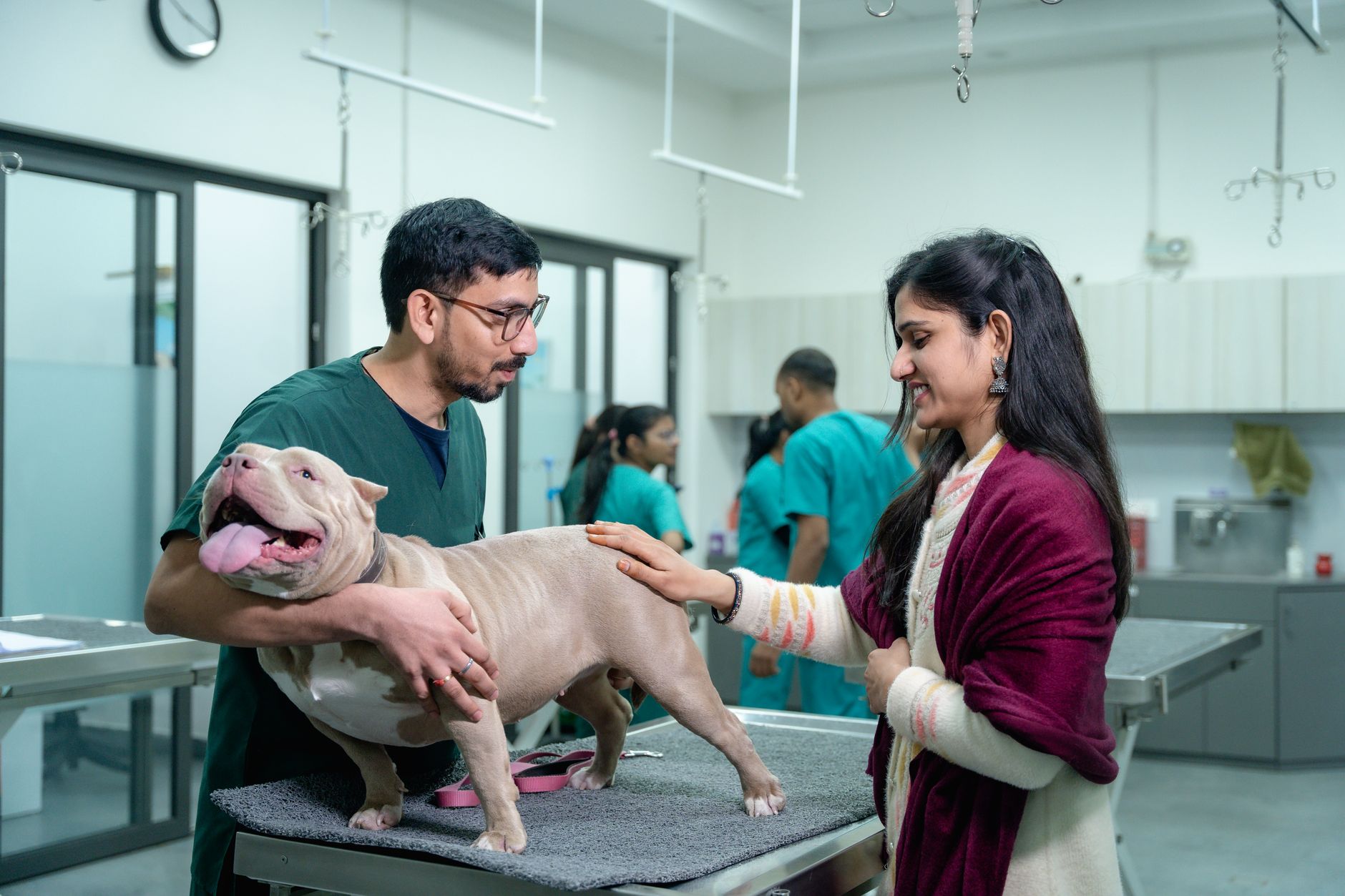
The bustling campus of Kerala Veterinary and Animal Sciences University (KVASU) recently became the focal point of a significant educational initiative aimed at tackling one of the most pressing issues in global health: antimicrobial resistance. Veterinarians gathered to enhance their expertise in antimicrobial stewardship, a field that is swiftly gaining prominence in the medical community.
Antimicrobial stewardship refers to the judicious use of antimicrobials, ensuring that these powerful drugs are used responsibly to combat infections without contributing to the growing menace of resistance. The training, aimed at field veterinarians, is part of a broader effort to integrate the One Health approach, which recognises the interconnectedness of human, animal, and environmental health.
Empowering Veterinarians
The programme is designed not merely to educate but to empower veterinarians. By focusing on evidence-based antimicrobial use, disease prevention, and vaccination, the participants are better equipped to serve as crucial gatekeepers in their communities. This initiative underscores a commitment to promoting farm biosecurity, hygiene, and animal welfare, essential components of modern veterinary practice.
Moreover, the training incorporates a gender-responsive approach, ensuring that veterinary services are accessible and equitable. This is particularly relevant in regions where gender disparities can impact access to veterinary care.
The One Health Perspective
The One Health concept is pivotal in addressing public health challenges. By fostering collaboration among doctors, pharmacists, and veterinarians, the programme aims to enhance the understanding of how antimicrobial resistance can be managed across sectors. This integrated approach is not just theoretical but seeks practical solutions to real-world problems.
KVASU's initiative is timely, as antimicrobial resistance poses a looming threat to global health security. By training veterinarians in these principles, the university is not only contributing to local health improvements but is also playing a role in a global movement towards sustainable health practices.
As the world grapples with the complexities of antimicrobial resistance, efforts such as these highlight the importance of interdisciplinary education and collaboration. With KVASU leading the charge, there is hope for a future where antimicrobials are used responsibly, safeguarding the health of both humans and animals.