Labour's Water Plans: A Return to the 1970s?
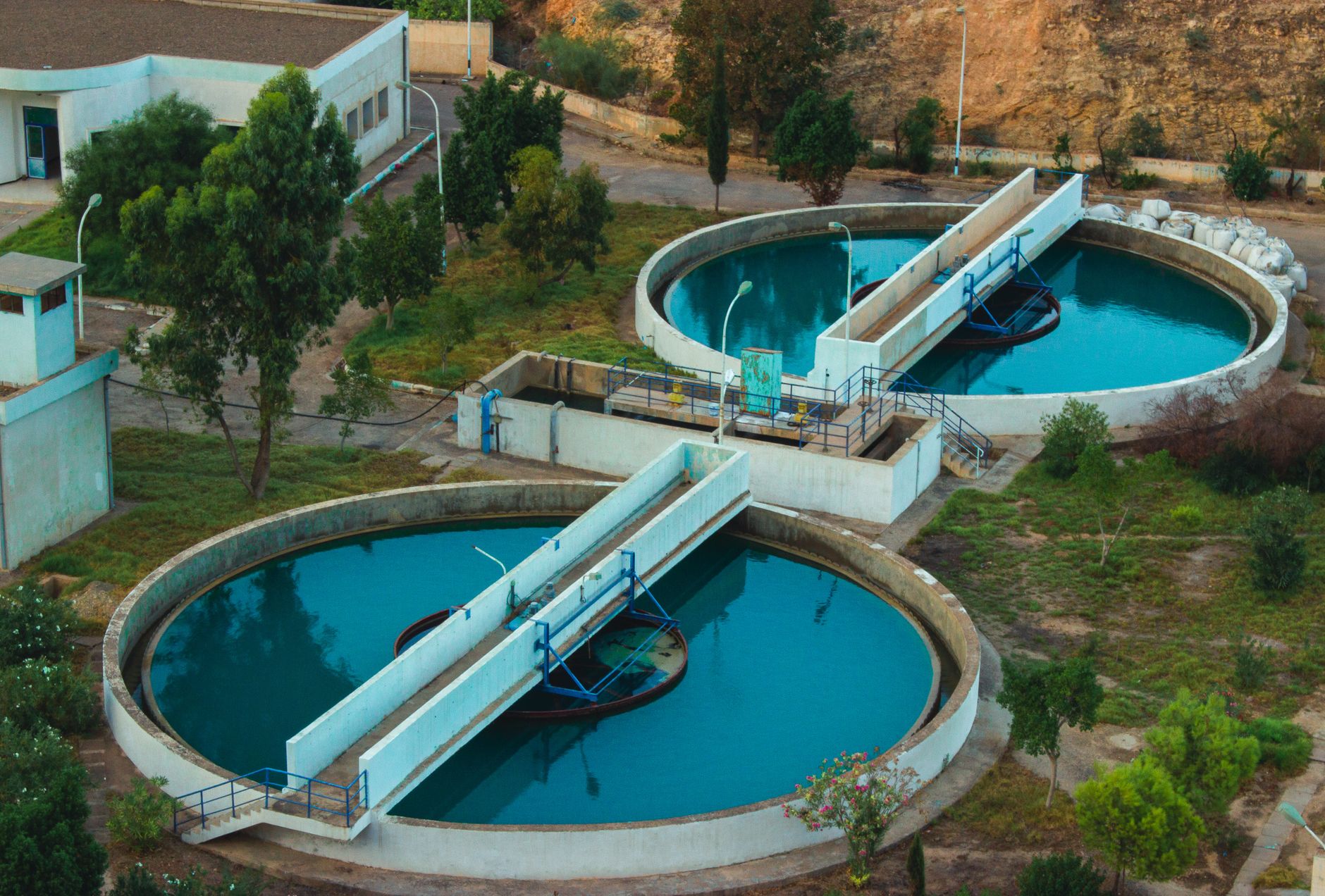
In an unexpected shift reminiscent of the days of bell-bottoms and disco, Environment Secretary Emma Reynolds has floated the idea of taking Britain's water system back to the 1970s. Speaking recently at a water summit in London, Reynolds hinted that nationalisation could be an option on the table as the government grapples with the complexities of a fully privatised water and sewage system.
Reynolds' comments come in the wake of the government's water white paper, A New Vision for Water, published earlier this year. The paper outlines ambitious plans to overhaul England and Wales' water systems, which have been subject to increasing scrutiny and criticism over recent years. With frequent reports of leaks, pollution incidents, and consumer dissatisfaction, the current privatised model has been under fire from both the public and experts.
Despite the dramatic connotations of her statement, Reynolds emphasised that the potential move towards nationalisation is not a foregone conclusion. "All options must be on the table," she stated, underscoring the need for a comprehensive review of existing systems. This openness to change signals a significant shift in policy direction, especially considering the Labour government's previous reluctance to entertain the idea of nationalisation.
Challenges of the Current System
England, one of the few countries with a fully privatised water system, has faced mounting challenges in managing its water resources. Critics argue that the privatisation model, in place since the late 1980s, has prioritised shareholder profits over service quality and infrastructure investment. This has led to a call for reform and a re-evaluation of how water services are managed and delivered.
Reynolds' proposal taps into a growing public sentiment that essential services such as water should be under public control to ensure accountability and sustainability. However, the notion of turning back the clock to the 1970s is not without its detractors. Some argue that the era was marked by inefficiencies and bureaucratic stagnation, which could resurface if not managed carefully.
A Watershed Moment?
As the government contemplates its next steps, the potential for nationalisation represents a watershed moment in British water management. The debate touches on broader themes of public versus private management of essential services, a topic that resonates with voters concerned about the accessibility and reliability of their utilities.
Ultimately, whether this move heralds a significant policy shift or remains a rhetorical flourish, it has certainly stirred the waters of public debate. As Britain navigates its path forward, one thing is clear: the nation's approach to water management is poised for change.