
Life Thrives in Record Heat: NASA's Intriguing Discovery
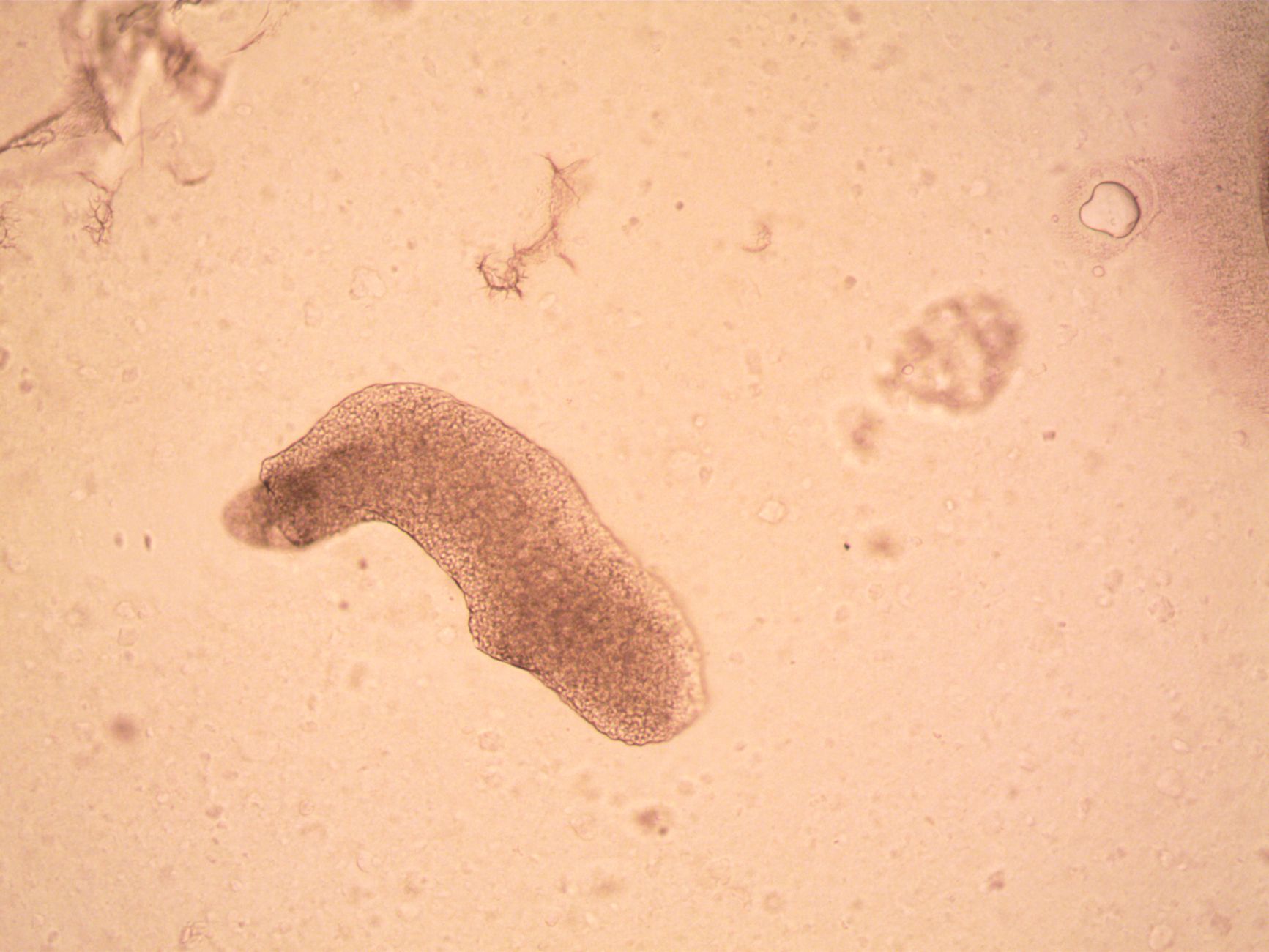
In the steamy, sulphurous waters of Lassen Volcanic National Park, a microscopic organism quietly defies the limits of life as we know it. This amoeba, thriving at an astonishing 145 degrees Fahrenheit (63 degrees Celsius), has set a new benchmark for eukaryotic life. Funded by NASA, this research not only pushes the boundaries of biological understanding but also prompts a re-evaluation of life's potential in the universe.
The discovery, made by a dedicated team of scientists, suggests that life can endure and even flourish in conditions far harsher than previously imagined. This resilient amoeba challenges traditional notions of life's thermal limits, opening the door to the possibility that extreme environments, perhaps even those on other planets, might harbour life.
Implications for Astrobiology
While the findings are remarkable in their own right, they carry significant implications for the field of astrobiology. If life can exist at such high temperatures on Earth, it raises the tantalising possibility that similar life forms could exist in the extreme conditions found on other celestial bodies, such as the volcanic landscapes of Jupiter's moon Io or the sulphuric acid clouds of Venus.
Dr. Allen Fisher, one of the lead researchers, remarked, "This discovery is a powerful reminder that life is incredibly adaptable and resilient. Understanding these extremophiles broadens our perspective on where we might find life beyond Earth."
The Role of Environmental Factors
The study also examined factors that could influence the presence of such hardy life forms. Increased day length, higher surface pressures, and the geological formation of continents are believed to contribute to the environment's ability to support such life. These variables, alongside the unique conditions within the park, may have combined to create an ideal habitat for these remarkable organisms.
As scientists continue to explore these fiery waters, the research provides a fresh perspective on the age-old question of whether we are alone in the universe. With each new discovery, the boundaries of life's potential habitats expand, challenging us to rethink our place in the cosmos.


