London's Urban Garden: A Year of Data and Discovery
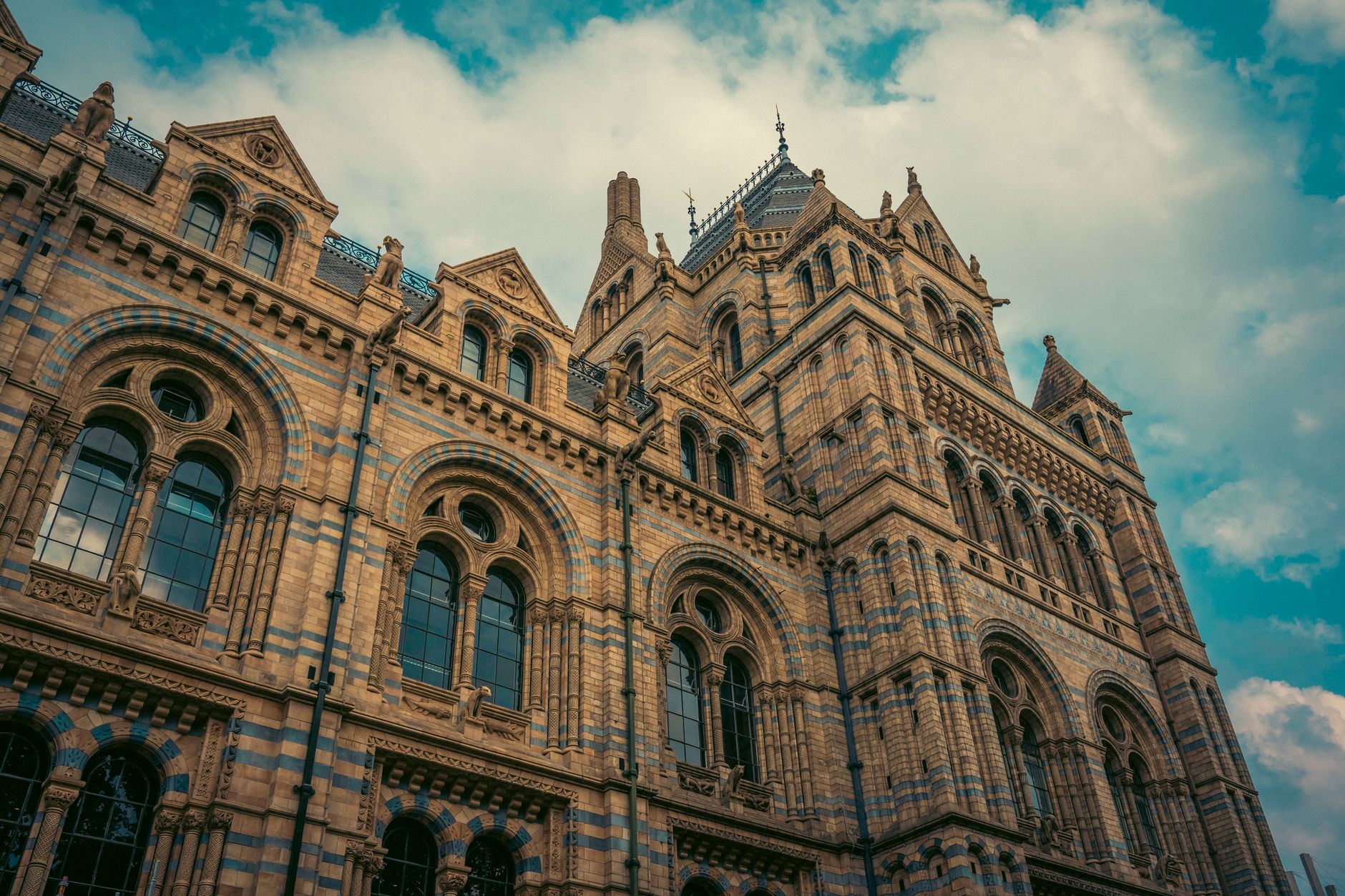
Amidst the urban sprawl of London, a piece of land has quietly been making scientific history. The Natural History Museum's newly transformed urban garden has amassed over 11 million environmental records in just one year, marking a significant achievement in urban ecology research.
Opened last July with a budget of £25 million, the five-acre site is more than just a garden; it is a 'living laboratory'. Equipped with over 50 sensors, the garden continuously feeds data into the Museum's Amazon Web Services (AWS)-powered Data Ecosystem. This high-tech setup allows researchers to monitor changes in biodiversity, air quality, and microclimate in real-time.
A Modern Experiment in Urban Ecology
The project's ambition is to transform how city dwellers think about green spaces and their impact on the environment. By collecting vast amounts of data, the garden offers a detailed picture of how urban flora and fauna interact. It provides insight into how urban environments can be more effectively managed for biodiversity and climate resilience.
Dr. Sandra Knapp, a leading botanist at the Museum, remarked, "This garden is not only a sanctuary for wildlife but a beacon of knowledge. The data we collect here informs our understanding of urban ecosystems, which is crucial as cities continue to grow."
Implications for the Future
The significance of such a project extends beyond the borders of this garden. As climate change accelerates, urban areas must adapt. The findings from this living laboratory could guide city planners and policymakers in designing greener, more sustainable urban environments.
Moreover, the project has sparked public interest. Visitors to the Museum now have the opportunity to witness science in action, fostering greater awareness and understanding of environmental issues. The bronze dinosaur, a whimsical addition to the garden, serves as a reminder of the natural world's past and the importance of preserving its future.
As the urban garden continues to thrive, it stands as a testament to innovation and the potential for technology to enhance our understanding of nature. The lessons learned here may well shape the cities of tomorrow, underscoring the importance of integrating nature into urban planning.