Maharashtra's Bold Step for Children of Single Mothers in Education
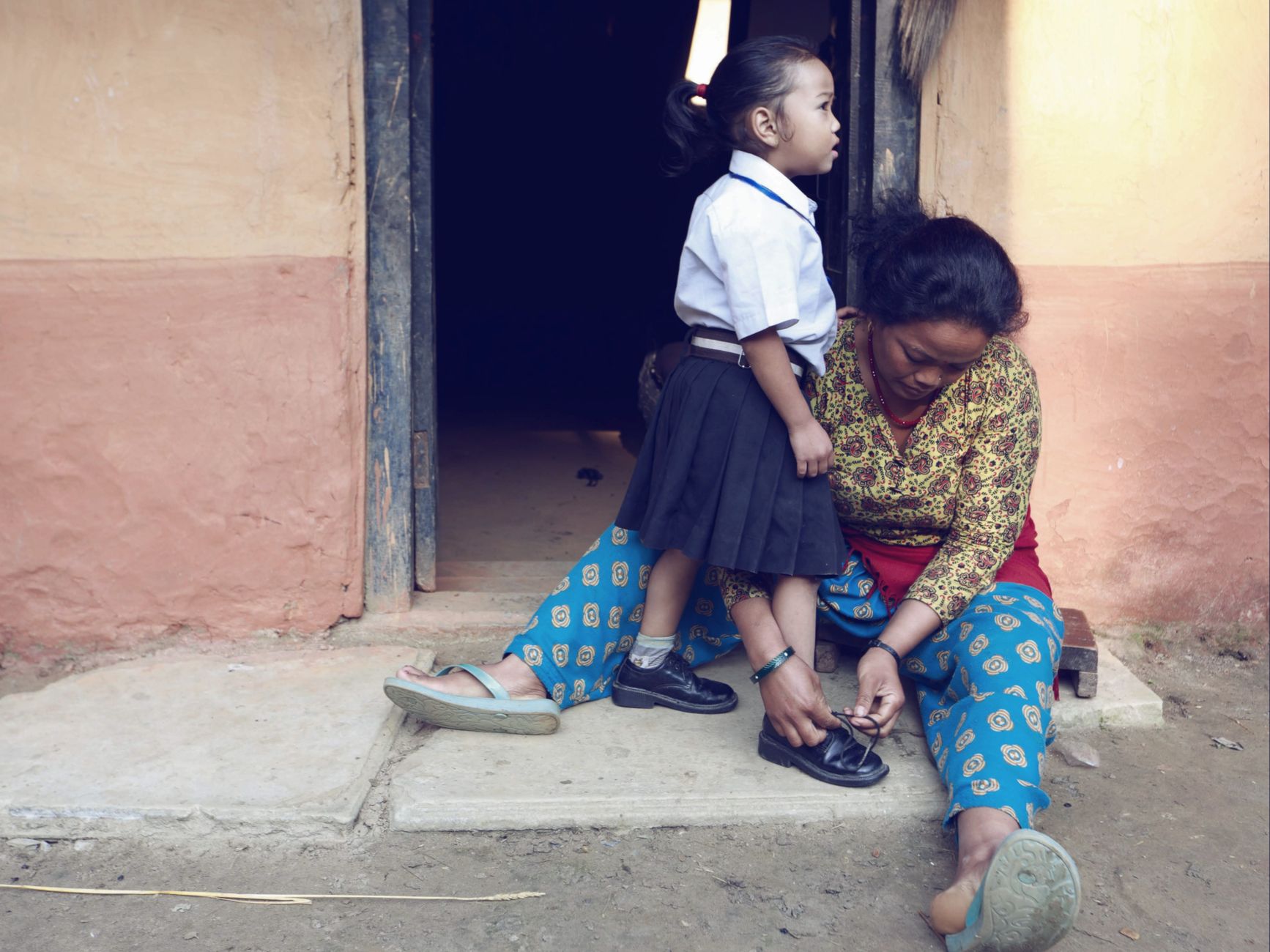
In a move likely to reshape the educational landscape for children of single mothers, the Maharashtra government is poised to introduce a new category in college admissions specifically for these students. Dubbed the 'Single Parent Child' category, this initiative aims to level the playing field for young individuals whose mothers are the sole breadwinners, often battling societal prejudices and financial constraints.
The proposed policy, part of the ambitious 'Educational Support, Protection, and Empowerment Policy-2026', is an acknowledgment of the systemic hurdles faced by single-mother families, particularly in the rural heartlands of Maharashtra. Here, societal norms can be especially unforgiving, and educational opportunities scarce.
Empowering Through Education
One zilla parishad teacher, who preferred to remain unnamed, welcomed the initiative. "There should be provisions to help children of mothers like me," she stated, highlighting the pressing need for scholarships and financial support. This sentiment echoes across the state, where financial aid could mean the difference between a future brimming with potential and one stagnating in unmet dreams.
The government’s plan includes not only easing admission processes but also providing assistance with campus accommodation. Both measures are critical in allowing these students to pursue higher education without the anxiety of financial burdens overshadowing their academic endeavours.
Beyond Financial Aid
While monetary support is crucial, the policy’s broader aim is to foster an environment where children of single mothers can thrive academically and socially. By creating a separate category, the government seeks to dismantle the stigma often attached to single-parent families, promoting a more inclusive and understanding educational ecosystem.
Critics, however, caution that the policy’s success hinges on its implementation. Ensuring that the aid reaches those who need it most and is not lost in bureaucratic red tape will be paramount. As one education expert noted, "The intention is admirable, but execution will be key."
This bold step by the Maharashtra government could serve as a blueprint for other states grappling with similar issues. By addressing both financial and social barriers, the policy not only aspires to transform the lives of many young people but also challenges the societal norms that have long held back single mothers and their children.