Mathematicians Clash Over AI's Role in Scientific Integrity
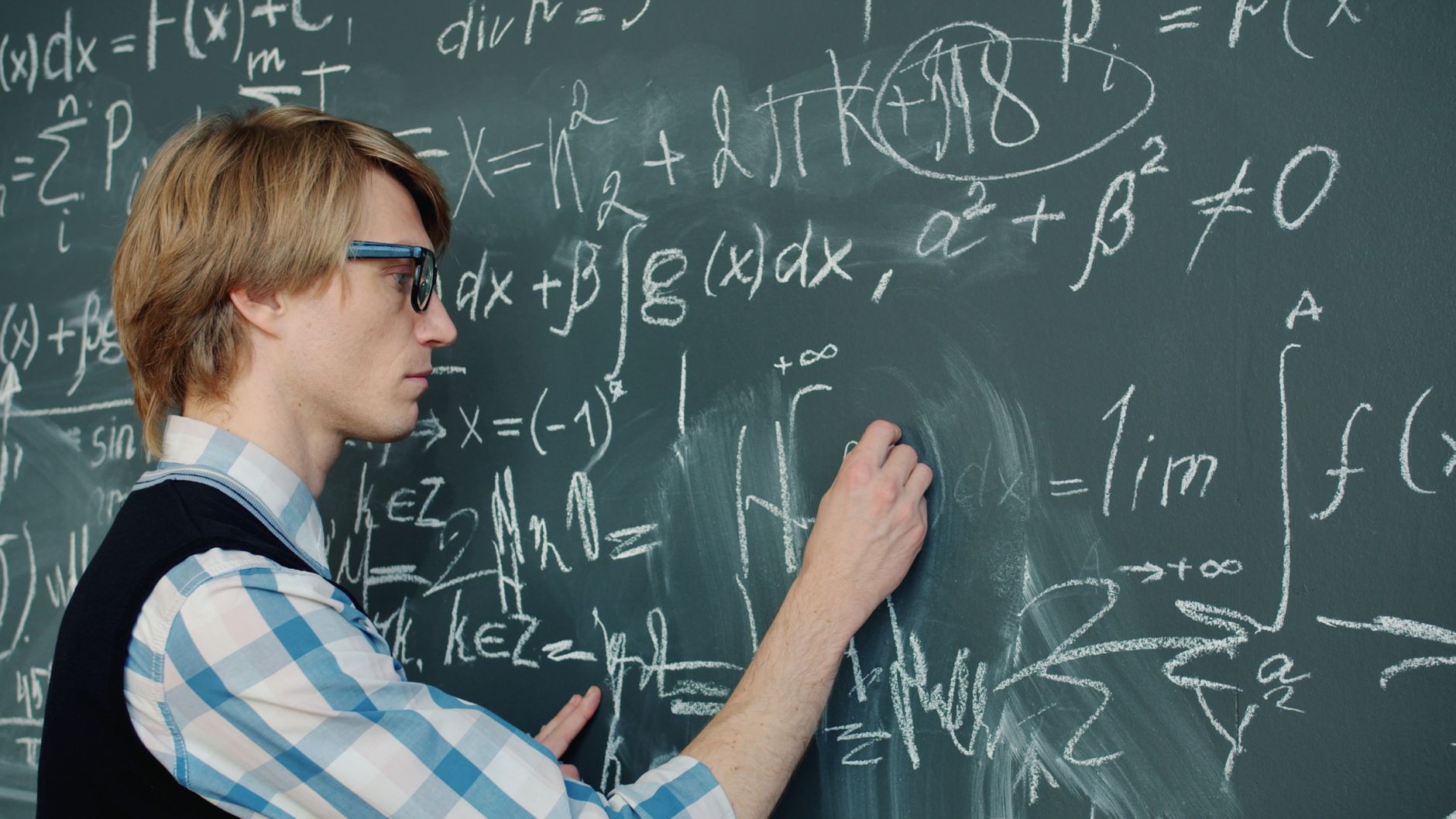
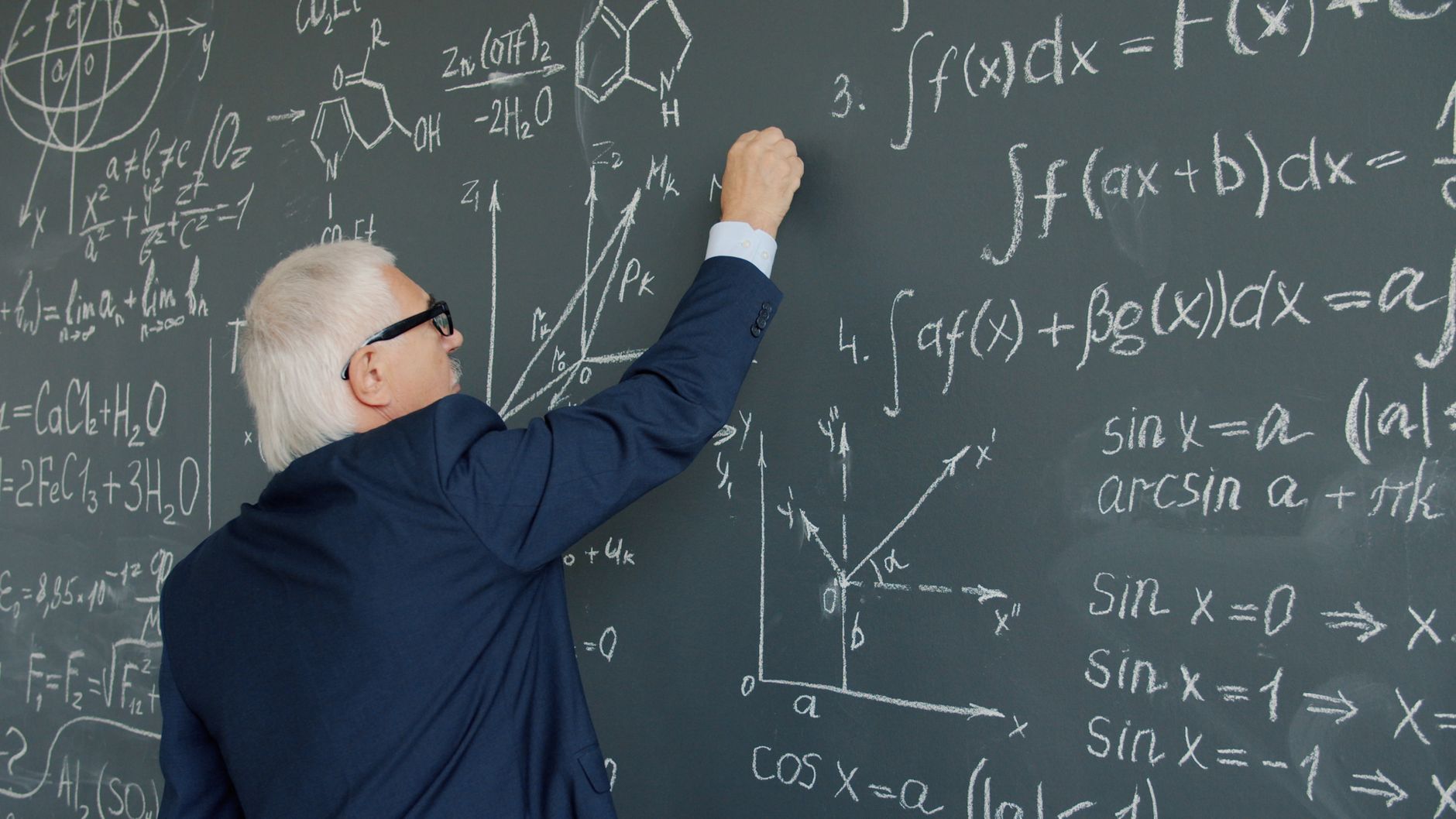
The corridors of academic institutions are abuzz with a debate that is both philosophical and practical in nature. A group of eminent mathematicians, including twenty-five Fields Medal laureates, have raised alarms over the burgeoning role of artificial intelligence in the realm of science. Their concern is not so much about AI's capacity to solve problems, but rather the potential it holds to undermine the very essence of scientific discovery.
At the heart of this controversy is the fear that AI, with its ability to churn through astronomical volumes of data, might blur the lines between authentic breakthroughs and algorithmic artefacts. The implications are profound; as AI systems demonstrate their prowess by tackling complex equations and simulating experiments that were once the preserve of human intellect, the distinction between human ingenuity and machine automation becomes increasingly opaque.
AI and the Essence of Discovery
For centuries, mathematics has thrived on exploration and the slow, meticulous process of understanding. However, AI's efficiency in processing data means that even the most fiendish of mathematical problems can be resolved with unnerving speed. This, according to the mathematicians, threatens to trivialise the discipline's pursuit of deeper understanding.
"What happens when AI can solve the problems we're still pondering?" asks Dr. Emily Carter, a leading mathematician. "The journey to the solution is as important as the solution itself. AI risks turning this journey into a mere footnote."
Training the Next Generation
Another pressing concern is the impact on future generations of mathematicians. If AI continues to rapidly solve problems, what then is the role of the mathematician? The academic community is grappling with how to train students in a world where AI can perform calculations that once took years of study to master.
The mathematicians' argument is not against technological progress, but rather a call for a balanced integration that respects the tradition of contemplative thought and human insight. They urge for a re-examination of the goals and methodologies that underpin mathematical research and education.
As the debate continues, it serves as a reminder of the delicate interplay between technology and human endeavour. The challenge lies in harnessing AI's capabilities without losing sight of the intellectual curiosity that has driven scientific exploration for centuries.