Hidden Volcanic Legacy Unveiled: Iran's Ancient Arc
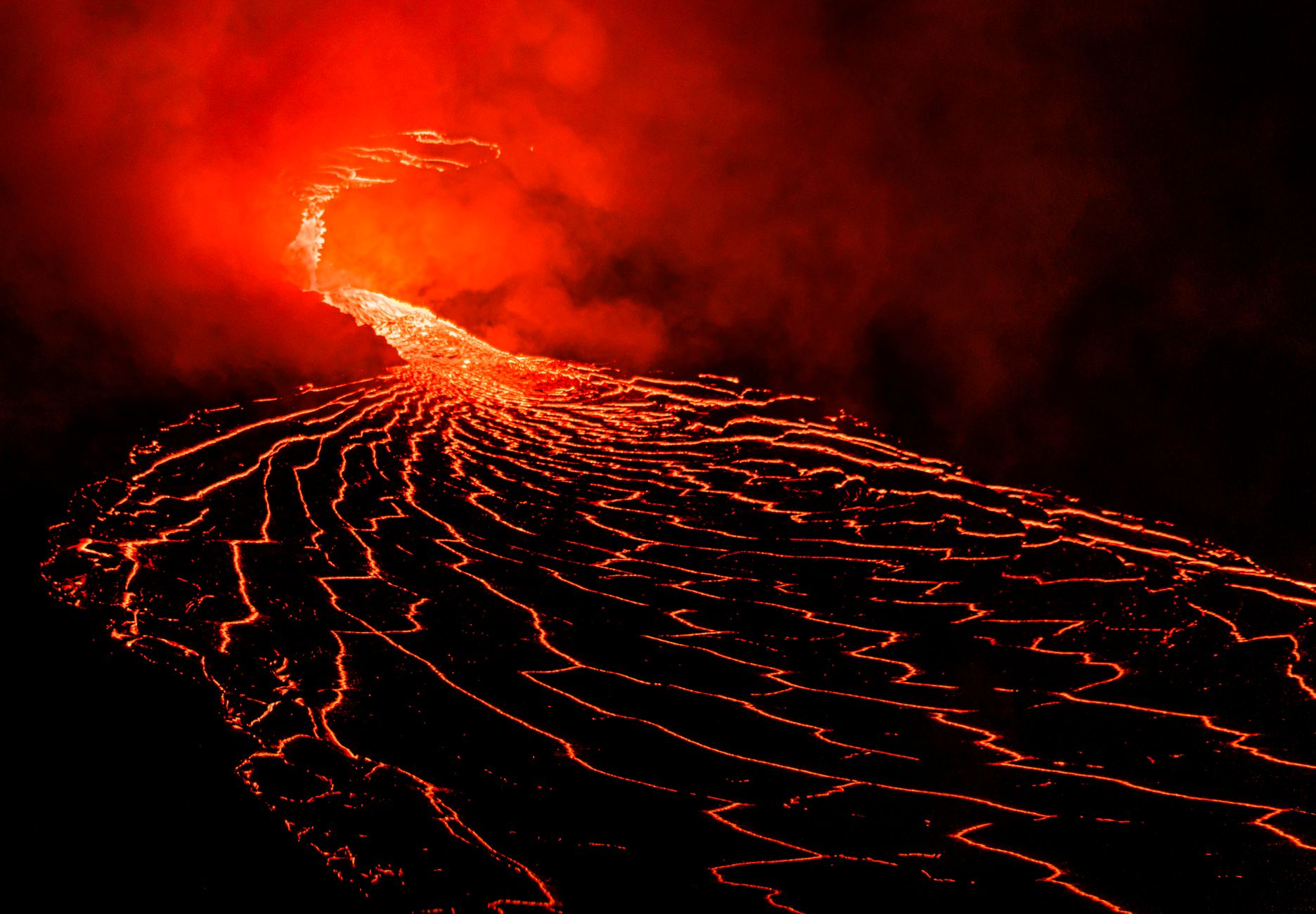
Tucked away beneath the rugged terrains of Iran, scientists have discovered a 100-million-year-old volcanic arc, shedding light on the history of a vanished ocean whose closure played a pivotal role in shaping the Middle East. This ancient geological structure offers a rare glimpse into the dynamic forces that have sculpted our planet over millennia.
The Geological Time Capsule
This hidden arc is more than just an assemblage of rocks and minerals; it is a time capsule that captures a period when volcanic activity was rampant, driven by the tectonic forces underlying the Earth's crust. Between 150 and 50 million years ago, the planet experienced numerous massive volcanic episodes. Such events have become increasingly rare over the past 50 million years, making this discovery particularly significant.
The Iranian arc reveals clues about the ancient ocean whose closure helped shape the geological and geographical contours of the present-day Middle East. This was a time when the Earth was undergoing substantial changes due to shifting tectonic plates and volcanic eruptions that spanned continents.
Implications for Modern Science
The discovery of this volcanic arc is not just of academic interest; it offers vital insights into the processes of plate tectonics and the historical geology of the region. Understanding how these ancient volcanic systems operated can inform current models of Earth's geological processes, aiding in the prediction of future tectonic and volcanic activity.
The study, supported by uranium-lead dating and other sophisticated techniques, aligns with global findings of ancient volcanism, such as those on the Moon and under the Pacific Ocean. Together, these discoveries paint a comprehensive picture of Earth's fiery past, offering perspectives that could redefine our understanding of planetary evolution.
In essence, this ancient arc serves as a reminder of the powerful natural forces that continue to shape our world, even as they recede into the depths of geological time.