Meta's Censorship Surge Sparks Political Outcry
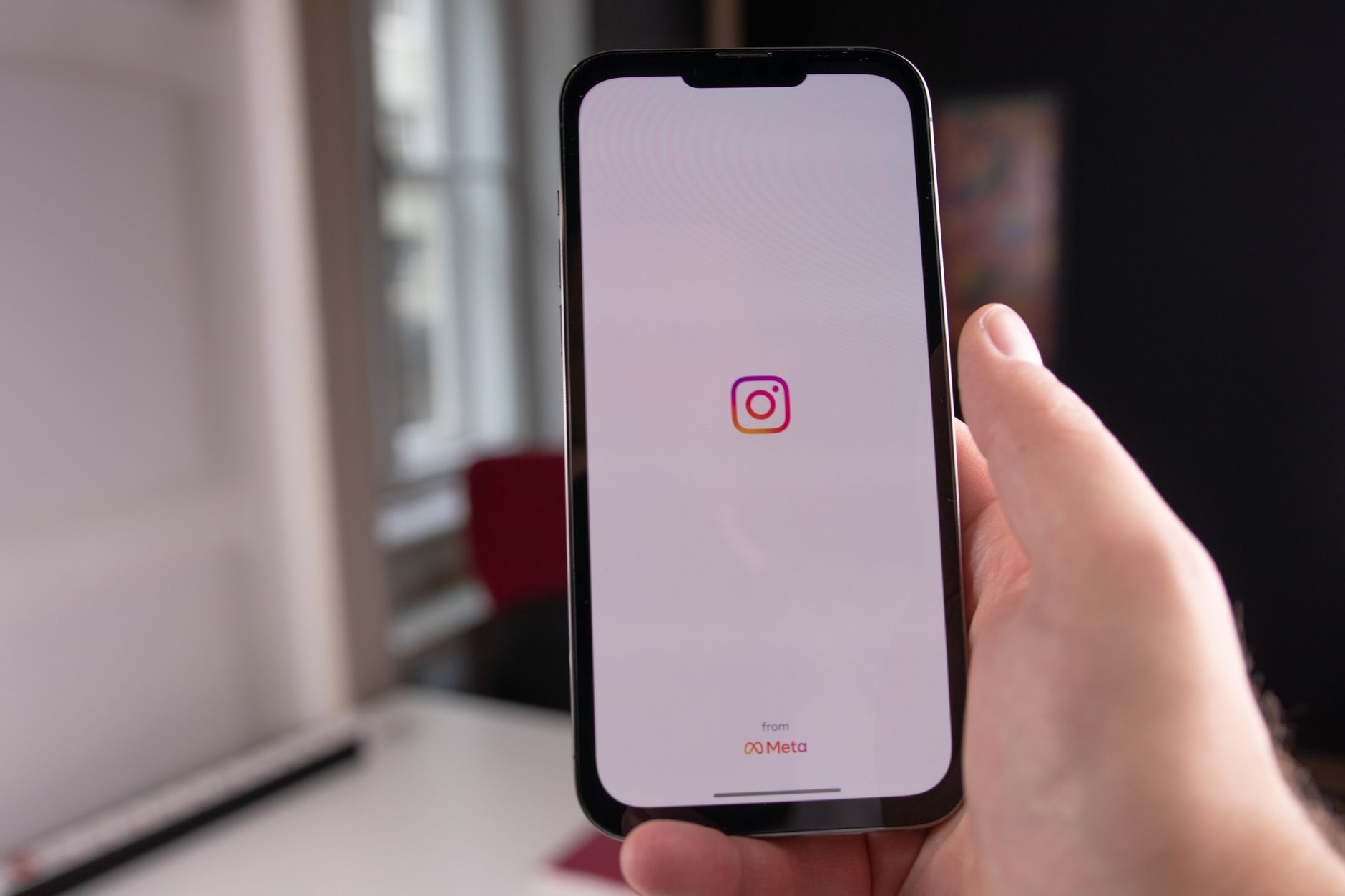
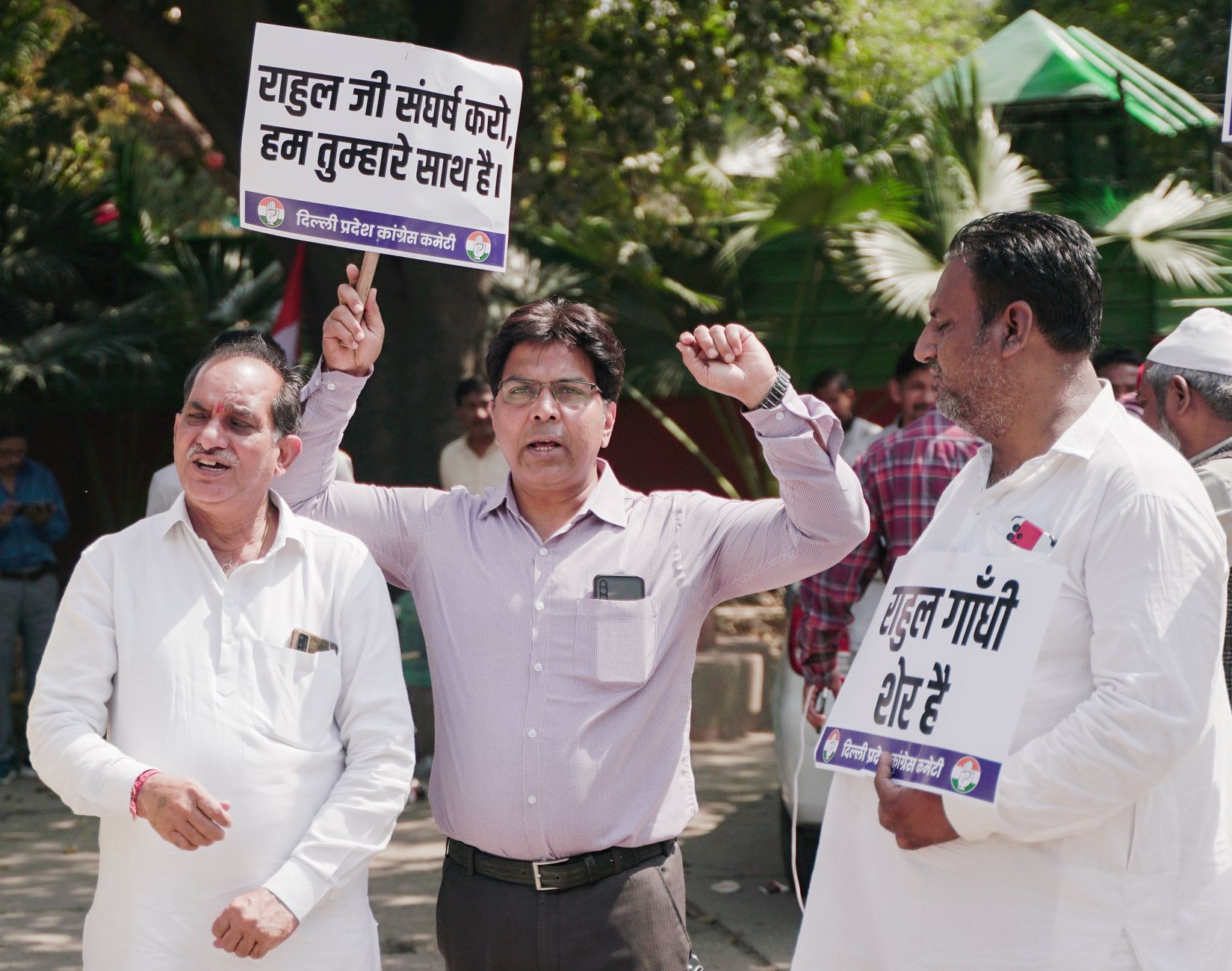
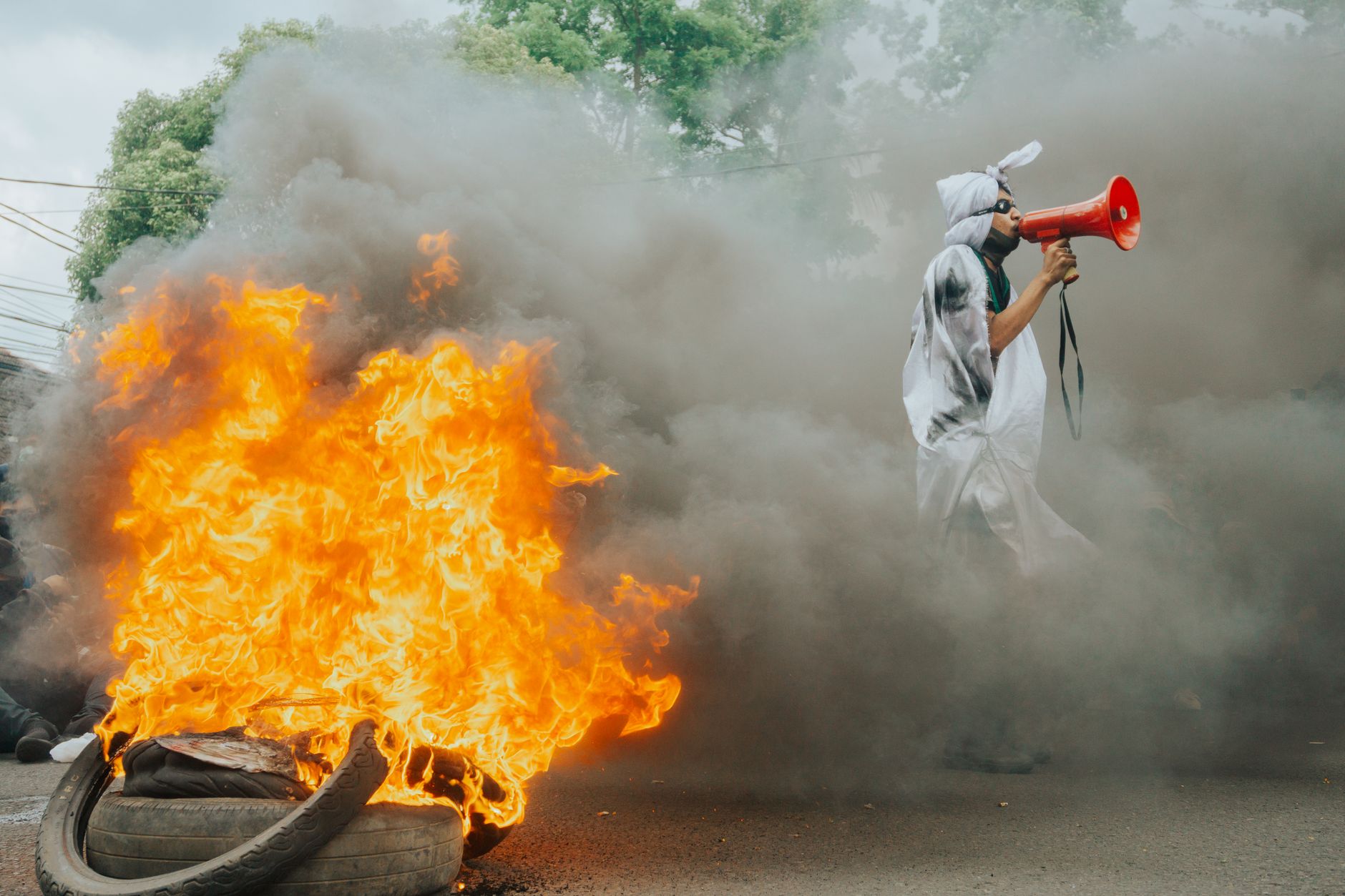
In the midst of a digital tempest, Meta has once again found itself in the eye of the storm. The recent escalation in censorship of political content on Instagram, particularly targeting the Cockroach Janta Party (CJP) and its supporters, has provoked a fierce backlash in India.
Reports suggest that the removal of protest reels and political posts began shortly after a series of tense meetings between Meta's leadership and the Indian government. What has particularly irked critics is the company's apparent overreach, taking down content not mandated for removal under Indian law.
Political Repercussions
Political leaders across the spectrum have voiced their dismay. The CJP, known for its vocal criticism of both domestic and international policies, finds itself in the crosshairs, with many of its posts mysteriously vanishing. This has led to accusations of Meta aligning too closely with governmental interests, raising questions about the independence of tech platforms in the digital age.
In a lengthy Facebook post, Meta's CEO Mark Zuckerberg defended the decision, framing it as a necessary step to maintain community standards. However, this justification has done little to quell the mounting criticism.
Free Speech Under Threat?
Digital rights advocates argue that the current situation points to a broader trend of increasing censorship by social media giants, particularly those with intricate ties to the US government. The fear is that such platforms, wielding enormous power over global discourse, are bending to political pressures at the expense of free speech.
As the debate rages on, it underscores the fragile balance between curbing misinformation and preserving the fundamental right to free expression. The outcome of this saga may well set a precedent for how tech companies navigate political sensitivities in the future.