Meta's Growing Role in India’s Political Discourse Censorship
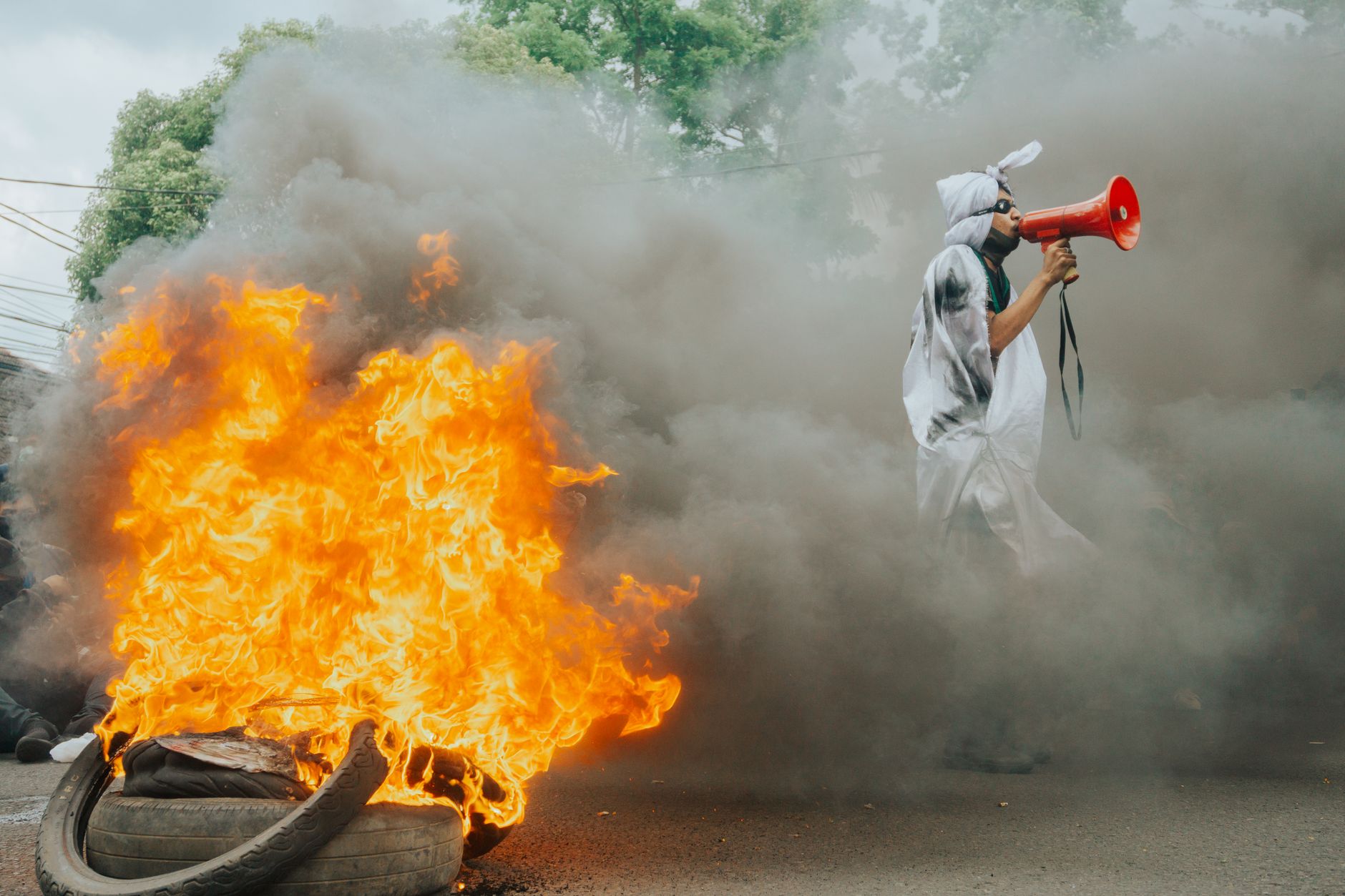
In a digital age where social media platforms serve as both a canvas and a megaphone for political expression, Meta's recent moves in India have sparked significant debate. The tech giant, which owns Instagram, has ramped up its censorship of reels and posts that focus on political and protest themes. This development follows closely on the heels of the recent Gen Z protests, which culminated in the resignation of Dharmendra Pradhan as Education Minister.
Instagram has become a crucial tool for younger generations in India to voice dissent, share ideas, and mobilise support. However, the platform's recent actions—allegedly influenced by government pressure—have raised alarm bells among free speech advocates. The Internet Freedom Foundation has voiced concerns about the opacity of Instagram's content moderation policies, as numerous users report that their protest-related reels are being tagged as 'sensitive' or are experiencing what appears to be shadow-banning.
The Government’s Influence
The Indian government's increased scrutiny of social media content is not new, but Meta's acquiescence to such pressures highlights the delicate balance tech companies must maintain between regulatory compliance and the protection of user rights. Under Section 79(3)(b) of the IT Act, the government has the authority to block content deemed unlawful. However, the growing frequency of such actions raises questions about the boundaries of this legal provision.
In recent meetings, Meta has been pressed to address how its recommendation algorithms might amplify anti-establishment content. The government's concern stems from the role social media played in the youth protests, which have been characterised by a savvy use of digital platforms to galvanise public opinion.
The Road Ahead
While Meta navigates these choppy waters, the broader implications for digital expression in India remain significant. As the country's youth continue to engage in political discourse online, the lines between regulation and censorship blur ever more. Advocates for digital rights demand greater transparency from Meta regarding its content moderation policies and any governmental influences that shape them.
The outcome of this tension between a tech behemoth and a powerful government will likely set precedents not only for India but for other democracies grappling with similar challenges. As both sides continue their dance, the users—the very heart of these platforms—await clearer skies.