
Mice with Human Brain Tissue: New Frontiers in Neuroscience
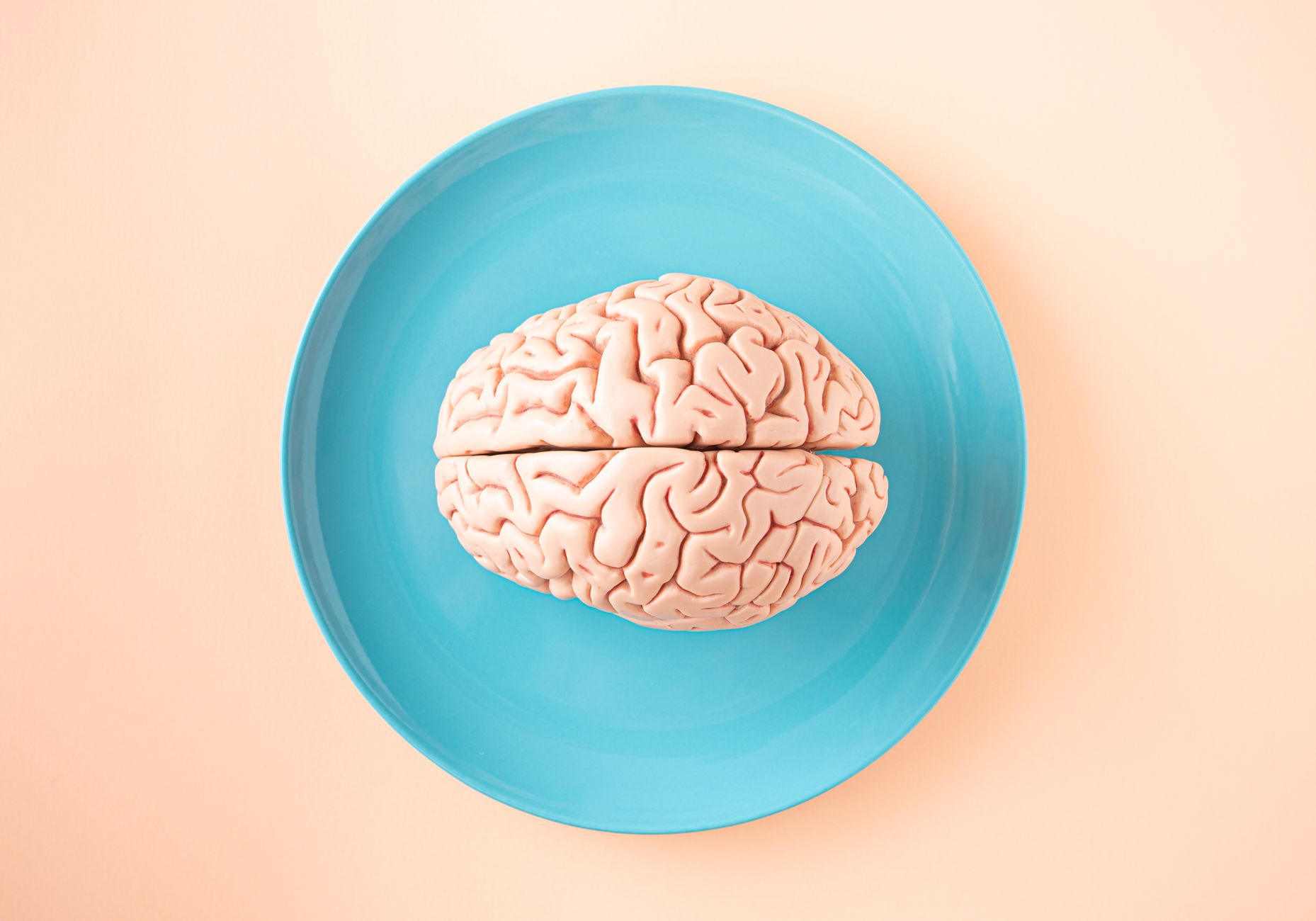
In a laboratory at Stanford University, a team of scientists has embarked on a journey that blurs the lines between species. By transplanting human cortical tissue into mouse brains, they have created what can only be described as cyborg rodents. This fascinating yet controversial experiment aims to shed light on the enigma of human neurological disorders.
The study involved replacing significant parts of the mouse neocortex with human brain organoids. These organoids, essentially miniature brains grown from stem cells, were successfully integrated into the mouse brains, where they began to form connections and exhibit electrical activity similar to human neurons.
Advancements in Brain Disorder Research
The implications of this research are profound. By observing how human brain tissue behaves in a living organism, scientists hope to unravel the complexities of conditions like autism and schizophrenia. The human brain is a formidable puzzle, with its billions of neurons and intricate circuitry. This experiment provides a unique model to study brain development and disease.
However, the ethical ramifications cannot be ignored. The creation of a human-animal hybrid raises questions about the moral obligations of scientists and the potential consequences of such interspecies experiments.
Ethical Considerations
The blending of human and animal biology poses a dilemma: how far is too far? Critics argue that while the scientific benefits are undeniable, there must be clear ethical guidelines governing such research to prevent misuse and ensure humane treatment.
As the scientific community grapples with these questions, the Stanford team remains focused on the potential benefits. Their work could pave the way for breakthroughs in understanding and treating neurological disorders, offering hope to millions worldwide.


