
Mice with Part-Human Brains: A Scientific Breakthrough
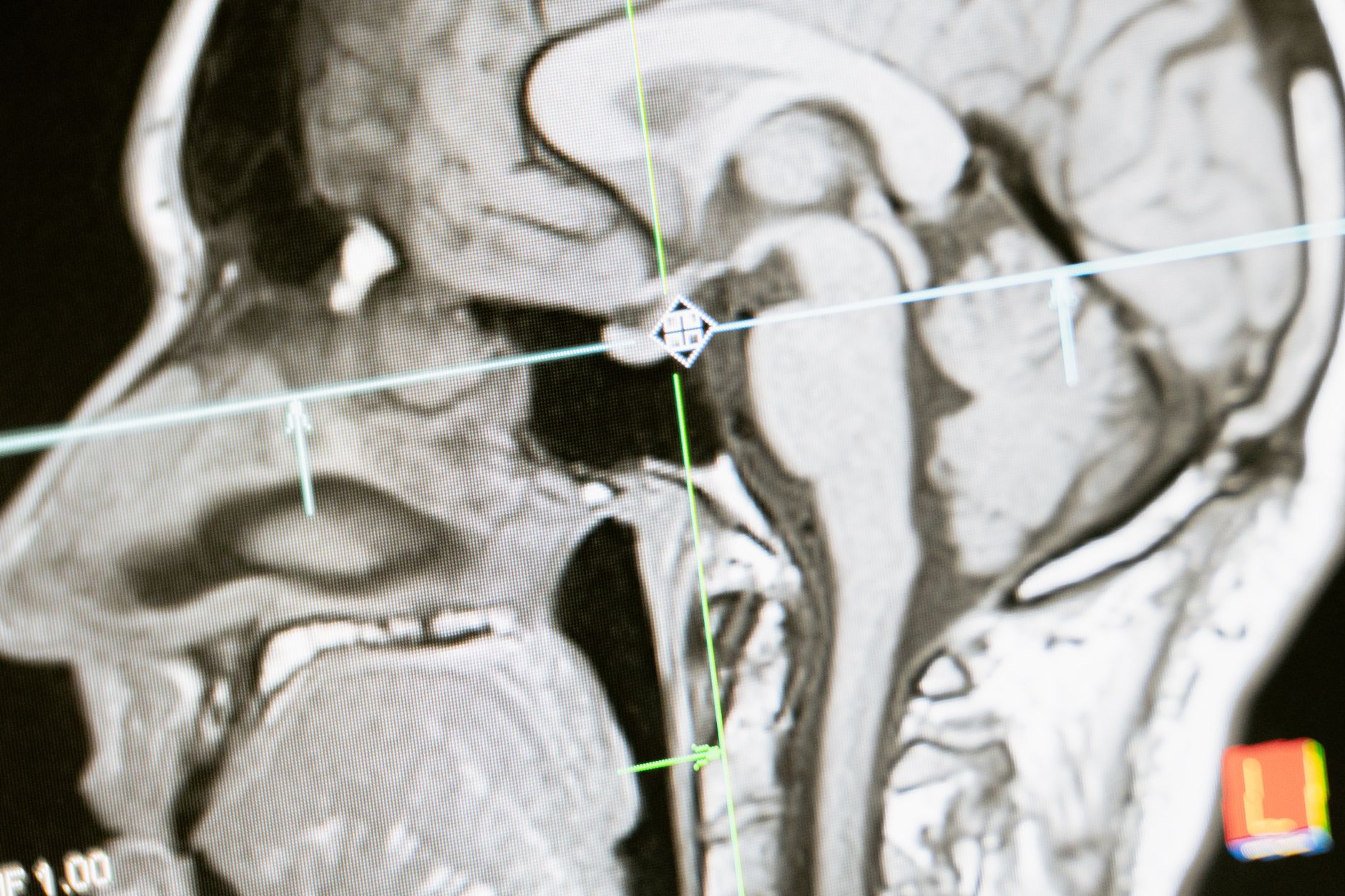
In a development that promises to reshape the landscape of neuroscience, scientists have successfully engineered mice with partially human brains. This unprecedented achievement, published in the esteemed journal Nature, could pave the way for groundbreaking treatments for neurological disorders.
The team of researchers, through a sophisticated process involving genetic tools, bred mice devoid of most of their cerebral cortex. This outermost layer of the brain is crucial for functions like reasoning, memory, and consciousness. The scientists then replaced the absent mouse cells with lab-grown human brain cells, creating a unique hybrid.
The Science Behind the Innovation
To achieve this, the scientists first developed human cortex organoids—clusters of human brain cells designed to mimic the human brain's outer layer. These organoids were carefully implanted into the brains of the genetically engineered mice, which had been modified to lack an immune system, thereby preventing any rejection of the human cells.
Despite the ambitious nature of the project, the humanised mouse brains contained a mere four million neurons, a stark contrast to the more than 16 billion neurons found in a human brain. Yet, this number still surpasses the normal 14 million neurons in a standard mouse brain, given the smaller size of mouse neurons.
Ethical Considerations and Future Implications
This endeavour has not been without its ethical scrutiny. The researchers ensured that the entire project was conducted under stringent ethical guidelines to address potential concerns about the implications of such research.
The scientific community is hopeful that these part-human brains in mice will offer unprecedented insights into conditions like schizophrenia, epilepsy, and cerebral palsy. By studying these conditions in a living brain that closely mimics human neurological processes, researchers anticipate breakthroughs in understanding and treating these disorders.
As the research progresses, it may indeed raise new questions about the moral and ethical dimensions of creating human-animal hybrids. However, the potential benefits in alleviating human suffering from neurological diseases might well outweigh the ethical quandaries.


