Mice with Part-Human Brains: A Step Forward in Neurological Research
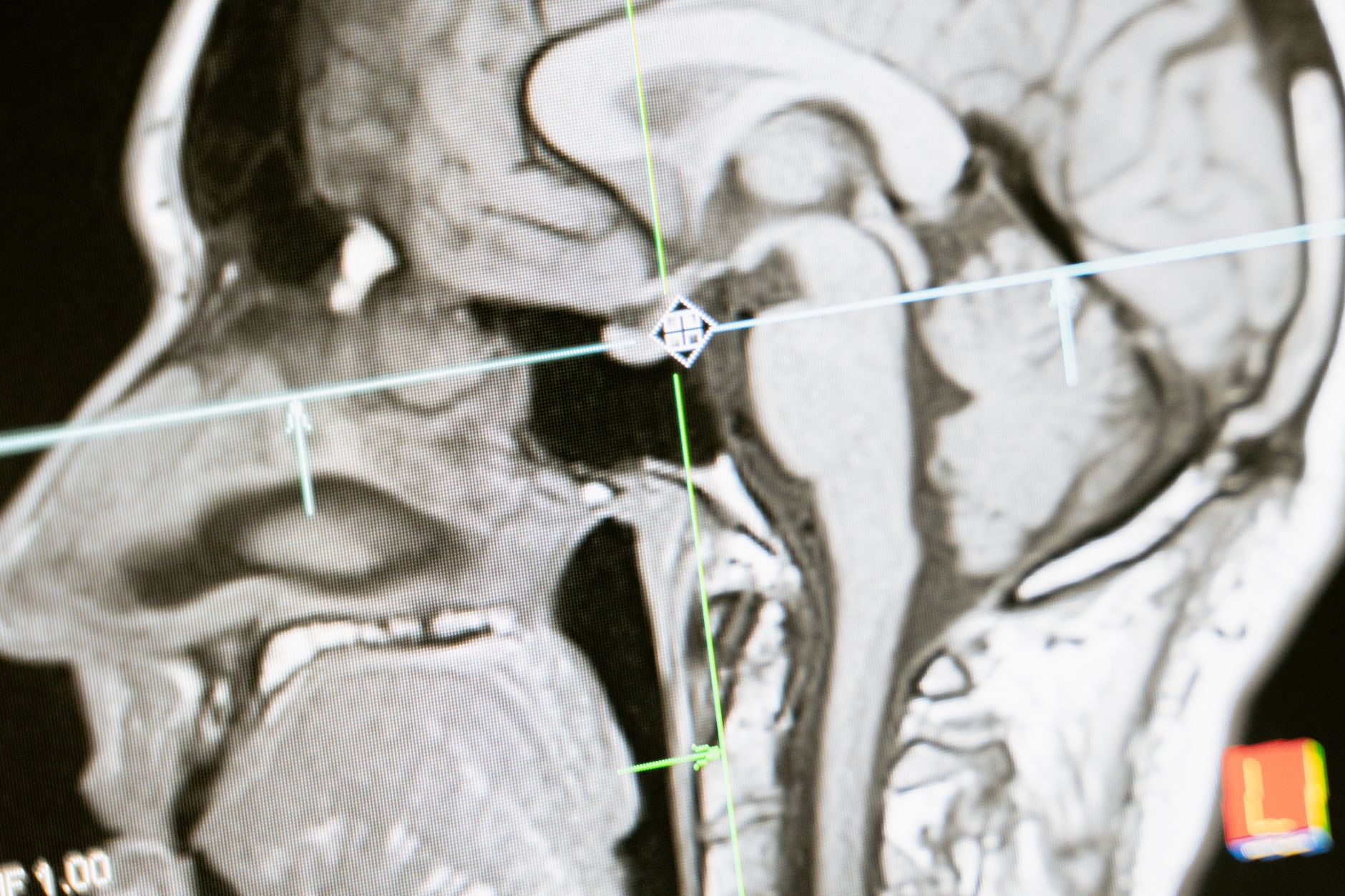
In a move that has stirred both intrigue and ethical debate, scientists have successfully created mice with brains partially composed of human cells. This avant-garde approach, unveiled in the journal Nature, could pave the way for breakthroughs in understanding and treating neurological disorders.
The process began with genetically engineering mice that lacked significant portions of their cerebral cortexes, the brain region responsible for higher functions like reasoning and memory. Into these cerebral voids, researchers implanted human brain organoids—tiny, simplified versions of human brain tissue grown in laboratories.
A New Frontier in Medical Research
The implications of this research are enormous. By observing how human brain cells function within a living organism, scientists hope to gain insights into conditions such as schizophrenia, epilepsy, and cerebral palsy. These disorders, often elusive and difficult to treat, could benefit from the nuanced understanding provided by this hybrid brain model.
Importantly, the mice used in these experiments were engineered to lack an immune system, preventing rejection of the human cells. This crucial step ensures the integrity of the research, allowing human cells to thrive and function within the mouse brain.
Ethical Considerations
The research has not been without controversy. The prospect of mixing human and animal brain cells raises significant ethical questions. Yet, the scientists involved have emphasised the rigorous ethical scrutiny under which their work was conducted. They argue that the potential benefits to human health justify the ethical complexities involved.
As the boundaries between species blur within the confines of a laboratory, the scientific community is urged to tread carefully. Nevertheless, this pioneering work holds immense promise for the future of medical research, potentially transforming our understanding of the human brain and its myriad disorders.