Microplastic 'Trojan Horse' Threatens Global Soil Health
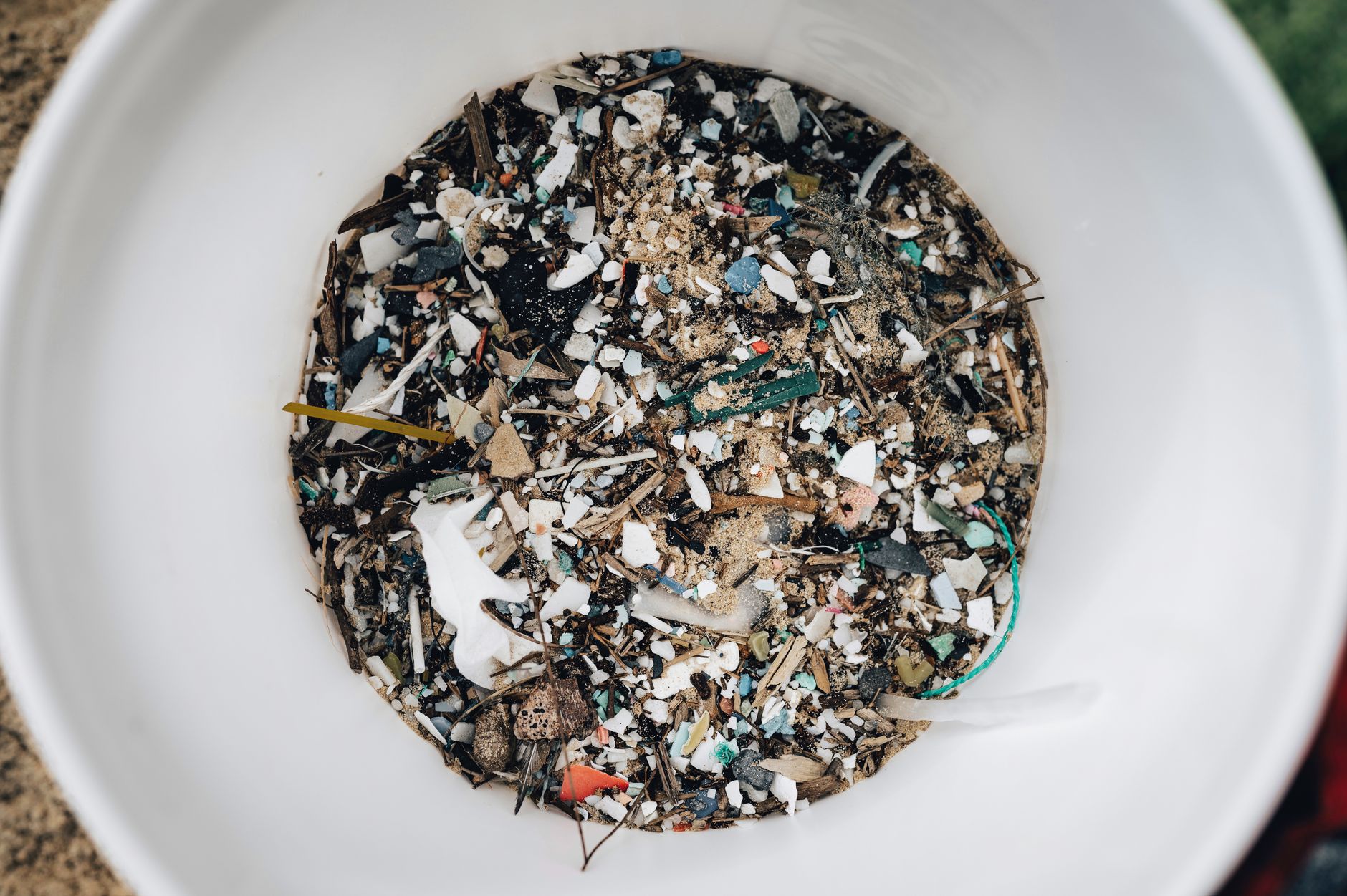
Microplastics, those insidious remnants of our plastic age, have been found to covertly infiltrate soils worldwide, posing a significant threat to the very ground beneath our feet. A five-year study conducted by an international team of researchers has unveiled the alarming role these tiny particles play as ‘Trojan horses’, ferrying pollutants, pesticides, and bacteria into our soils.
While the world has often focused on the visible pollution of oceans, this study shifts the spotlight to a less obvious yet equally critical battleground. Healthy soil, as experts remind us, is essential for life on Earth, acting as the foundation for agriculture and a vital component in combating climate change.
Professor Matthias Rillig, a leading voice in this research, has described the microplastics’ ability to bind with toxic substances and pathogens, effectively delivering them deep into the soil. This process could potentially disrupt ecosystems, harm plant life, and ultimately, affect the food we consume.
Implications for Agriculture and Food Safety
The implications for agriculture are particularly concerning. As microplastics infiltrate fields, they may compromise crop health and yield, leading to a ripple effect on food security. The presence of toxins in the soil could result in contaminated crops, posing risks to human health.
Moreover, the study highlights the potential for these particles to affect soil biodiversity. Microplastics can alter soil structure and function, impacting the delicate balance of microorganisms that support plant growth and nutrient cycling.
Global Call to Action
In response to these findings, scientists are urging policymakers and industries to address the sources of microplastic pollution. Reducing plastic waste, enhancing waste management systems, and developing biodegradable alternatives are steps that could mitigate this burgeoning crisis.
As the world grapples with the multifaceted challenges posed by microplastics, it becomes increasingly clear that the solution lies not just in innovation but in a collective commitment to preserving our planet’s health. For the soil, the silent lifeblood of our ecosystems, the stakes have never been higher.