Microplastics: The Stealthy Soil Invaders Threatening Global Ecosystems
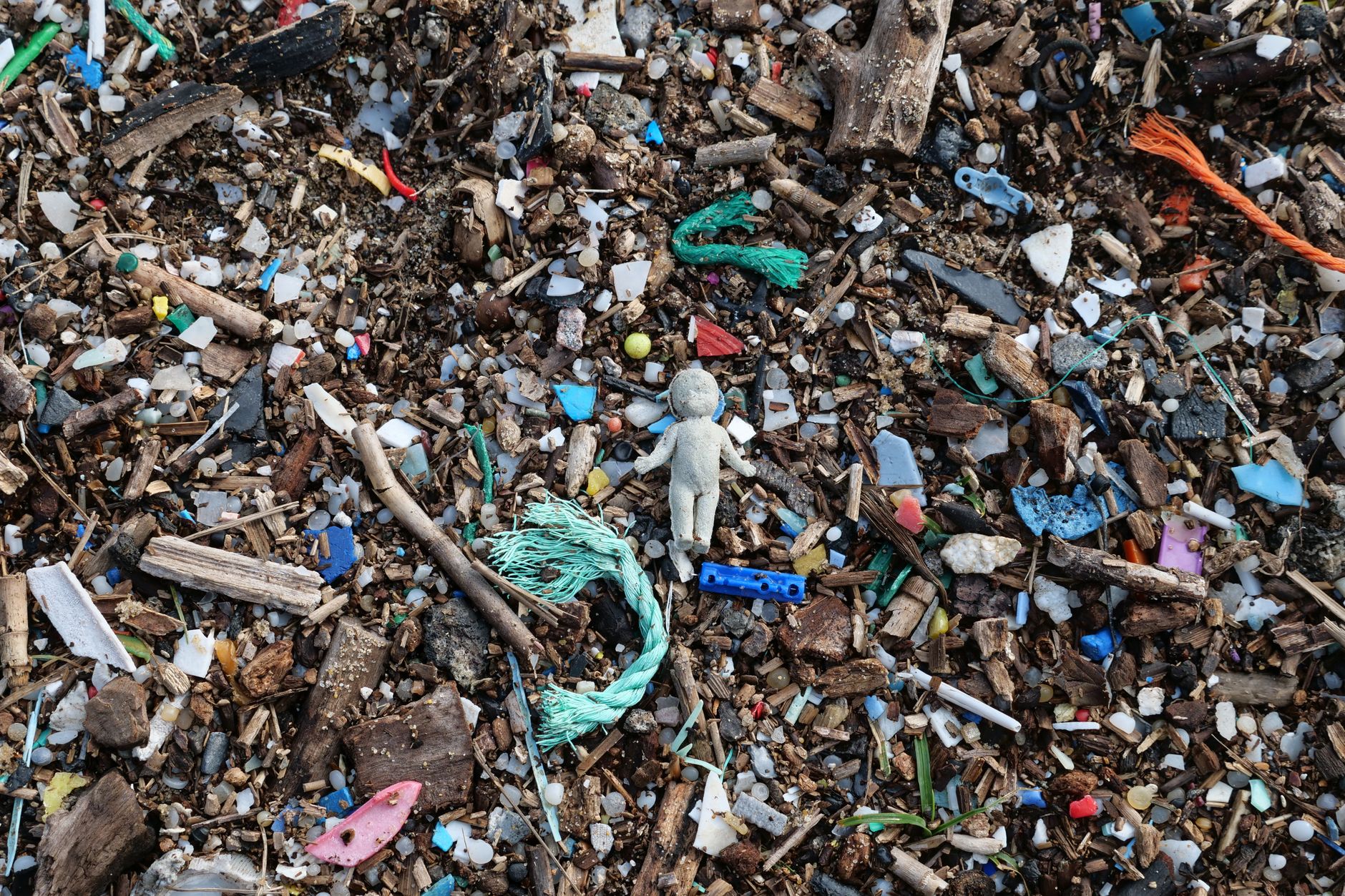
In an era where environmental crises seem to unfold with alarming frequency, another stealthy threat has emerged, subtly infiltrating the very ground beneath our feet. Microplastics, often overshadowed by their larger counterparts in discussions of oceanic pollution, have been found to pose a significant threat to terrestrial ecosystems. A multinational research initiative spanning five years has unveiled the insidious role of these minute particles, which act as a 'Trojan horse', ferrying toxins, pesticides, and bacteria into the soil.
The study, conducted by a coalition of scientists across several countries, highlights how these seemingly innocuous particles can disrupt soil health—a critical component of sustainable agriculture and ecosystem balance. While the visible blight of plastic waste has long been a focal point for environmental advocacy, the microscopic world of microplastics reveals an equally disturbing narrative.
The Mechanics of a Trojan Horse
Much like the legendary wooden horse of Greek myth, microplastics deceive by concealing harmful substances within their structure. Once embedded in soil, these particles release a cocktail of pollutants, which can include heavy metals, persistent organic pollutants, and pathogenic microorganisms. This process jeopardises not only the soil's natural fertility but also the safety of the food chain, as plants absorb these contaminants, subsequently consumed by animals and humans.
Researchers warn that the ubiquity of microplastics—originating from sources such as synthetic textiles, personal care products, and fragmented larger plastics—means no corner of the globe is immune. As they pervade agricultural lands, forests, and even remote wilderness areas, the potential for widespread ecological disruption looms large.
A Call to Action
The implications of this research are profound. With soil health intricately linked to global food security, the infiltration of microplastics into the earth poses a direct threat to the resilience of food systems worldwide. Scientists are calling for urgent action, emphasising the need for stricter regulations on plastic production, improved waste management practices, and increased public awareness.
Furthermore, this revelation necessitates further research into innovative solutions that can mitigate the impact of existing microplastic contamination. From biodegradable alternatives to enhanced filtration technologies, the quest for sustainable solutions is more pressing than ever.
As the world grapples with the multifaceted challenges of environmental degradation, recognising and addressing the threat posed by microplastics in soil is crucial. This 'Trojan horse' may be silent, but its impact is far from invisible—and demands a concerted global response.