Microwaving Food: The Truth Behind Nutritional Claims
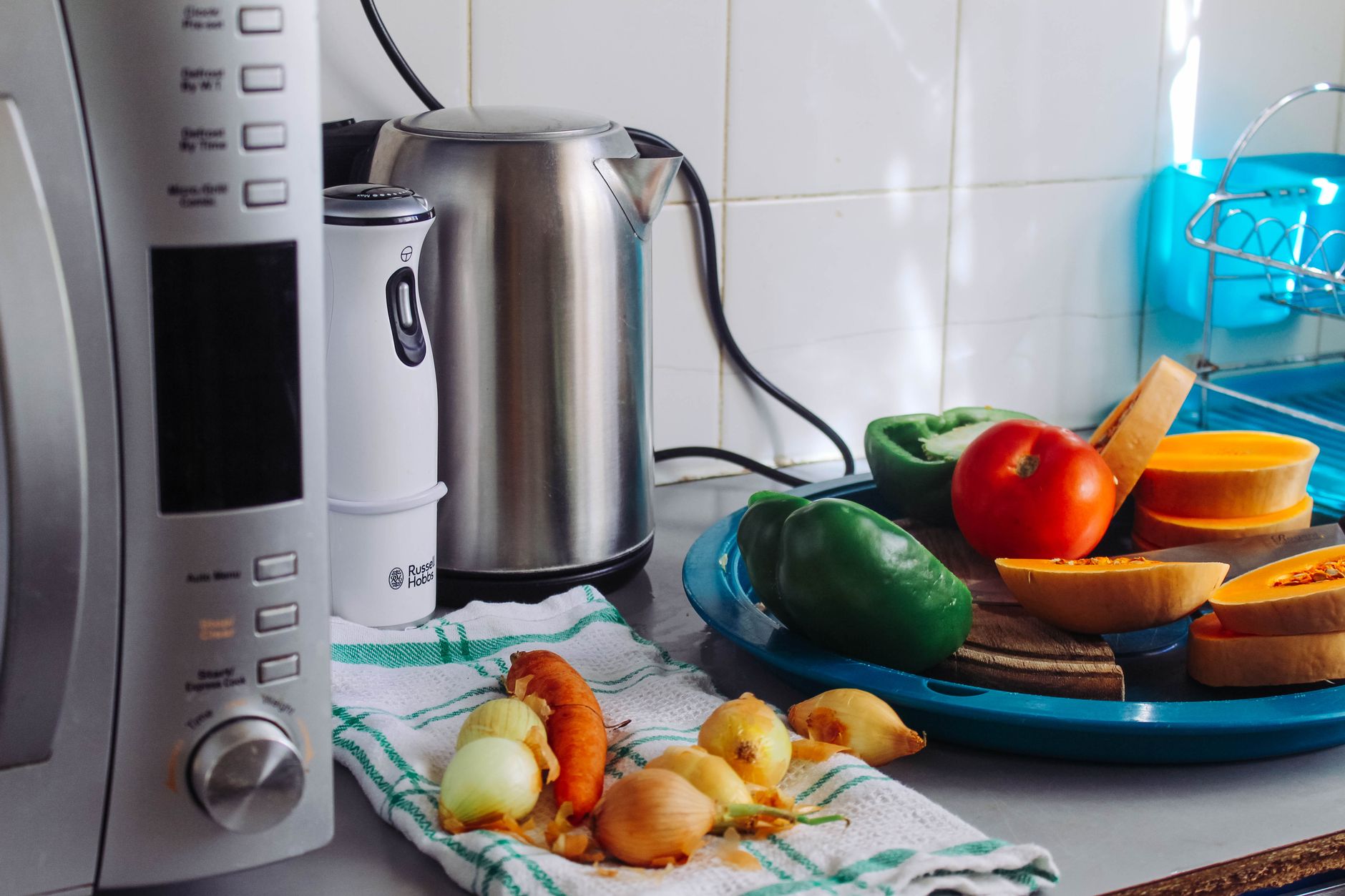
The humble microwave oven, quietly humming in kitchens worldwide, has been at the centre of a nutritional debate for decades. Accused of robbing food of its essential vitamins and minerals, it often gets a bad rap. But is this reputation justified, or is it time to reheat our assumptions?
Contrary to popular belief, microwaving can actually be a friend to your food’s nutritional value. The rapid cooking time that microwaves offer is not just a convenience; it is a way to preserve more nutrients than some traditional cooking methods. Research suggests that methods like boiling can leach vitamins into the cooking water, while the microwave’s swift heat locks them in.
Benefits of Speed
One of the primary advantages of microwaving is speed. The shorter the cooking time, the less chance there is for nutrients to degrade. For instance, vitamin C, a sensitive nutrient, tends to break down when exposed to prolonged heat. Microwaving vegetables can keep more of this vitamin intact than steaming or boiling.
Moreover, the microwave's ability to heat food quickly means that it requires less water, reducing the chances of nutrient loss. This is particularly beneficial when cooking vegetables, which are notorious for losing their nutritional value when boiled.
Caution with Plastics
While microwaving itself isn't the villain, the containers we use can pose risks. Heating food in plastic containers can lead to chemical leaching, which is why it's advisable to use microwave-safe glass or ceramic. Uneven heating is another issue, as it can result in cold spots where bacteria might thrive, so stirring and covering food is recommended.
In essence, while the microwave might not win awards for culinary artistry, its efficient cooking can help preserve the very nutrients we often worry about losing. So, next time you reach for that microwave button, rest assured that your meal is likely to be as nutritious as it is convenient.