Microwaving Food: Unravelling the Myths and Facts
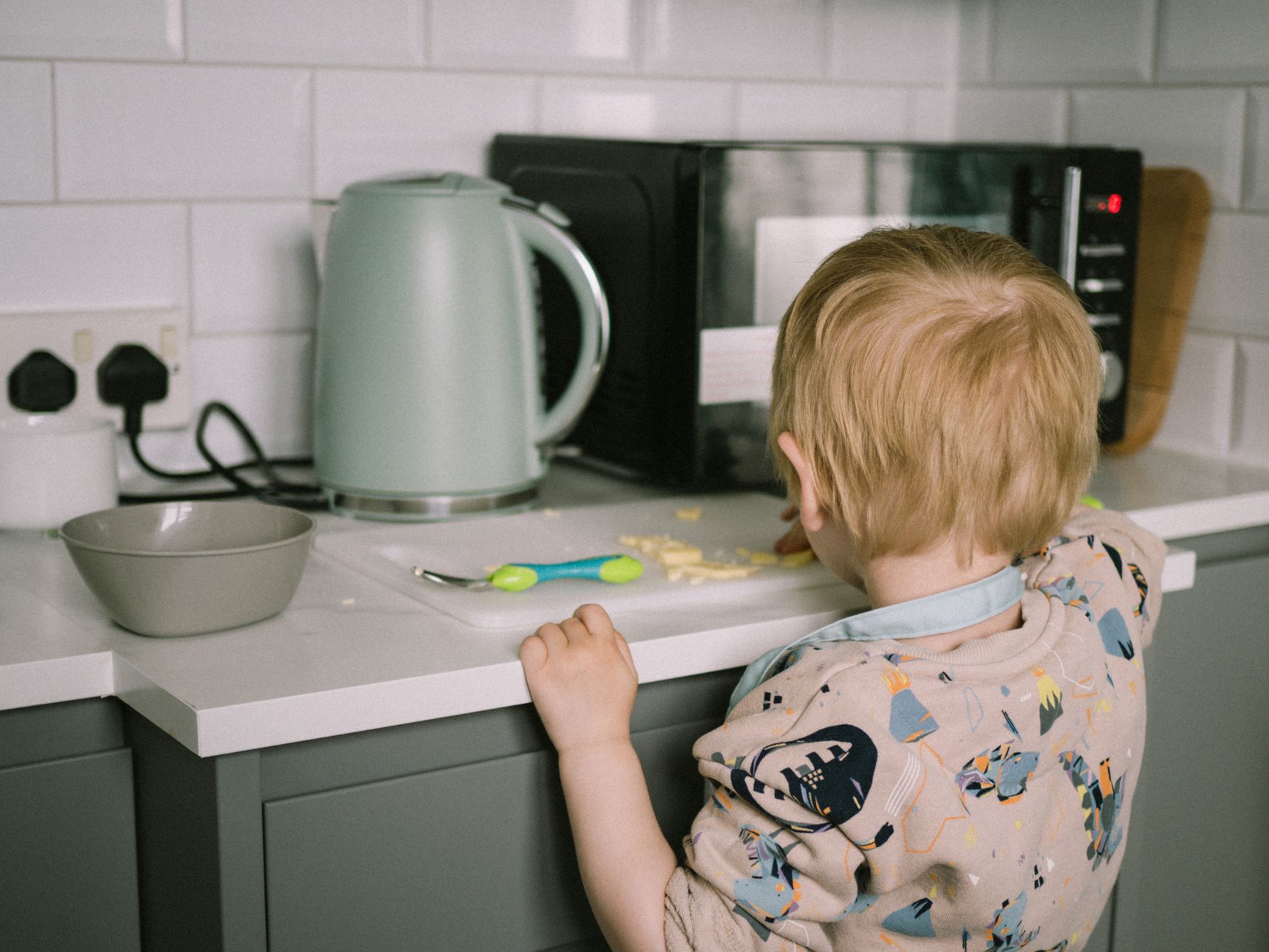
In the world of culinary science, microwaves have often been cast as the villain, accused of everything from stripping food of its nutrients to being harbingers of harmful radiation. Yet, when one peels back the layers of kitchen folklore, a different narrative emerges. Microwaving, far from being the culinary villain, might just be a misunderstood hero.
Let's tackle the most pervasive myth: that microwaves make food radioactive. This misunderstanding likely stems from the term 'radiation', which is more evocative of a nuclear disaster than a convenient kitchen appliance. Microwave ovens use non-ionising radiation, which is entirely different from the ionising radiation that poses health risks. In essence, microwaves are more akin to radio waves than to the radiation from X-rays.
Preserving Nutrients
Another common claim is that microwaving destroys nutrients, particularly in vegetables. It's true that cooking can lead to nutrient loss, but microwaving is often no worse than other methods. In fact, because microwaves cook food quickly and with minimal water, they can actually help preserve more nutrients than boiling or frying. For instance, some studies suggest that microwaving broccoli retains more of its vitamin C than boiling it.
However, it's not all roses. Microwaving can reduce certain compounds like flavonoids, which have anti-inflammatory properties. But this isn't unique to microwaving; these compounds are sensitive to heat and can be lost through other cooking methods as well.
Plastic Containers and Chemical Concerns
The concern about microwaving in plastic containers releasing harmful chemicals is not unfounded. Some plastics can leach substances like BPA or phthalates when heated. The solution is simple: use microwave-safe containers, typically labelled as such, to avoid any unwanted chemical cocktail in your meal.
So, is microwaving food unhealthy? The evidence suggests otherwise. When used correctly, microwaving is a safe and efficient way to prepare meals, preserving nutrients better than many other cooking methods. It's time to re-evaluate the humble microwave and perhaps give it a place of honour in our kitchens once more.