Minister Hails Scientists After Great Indian Bustard Milestone
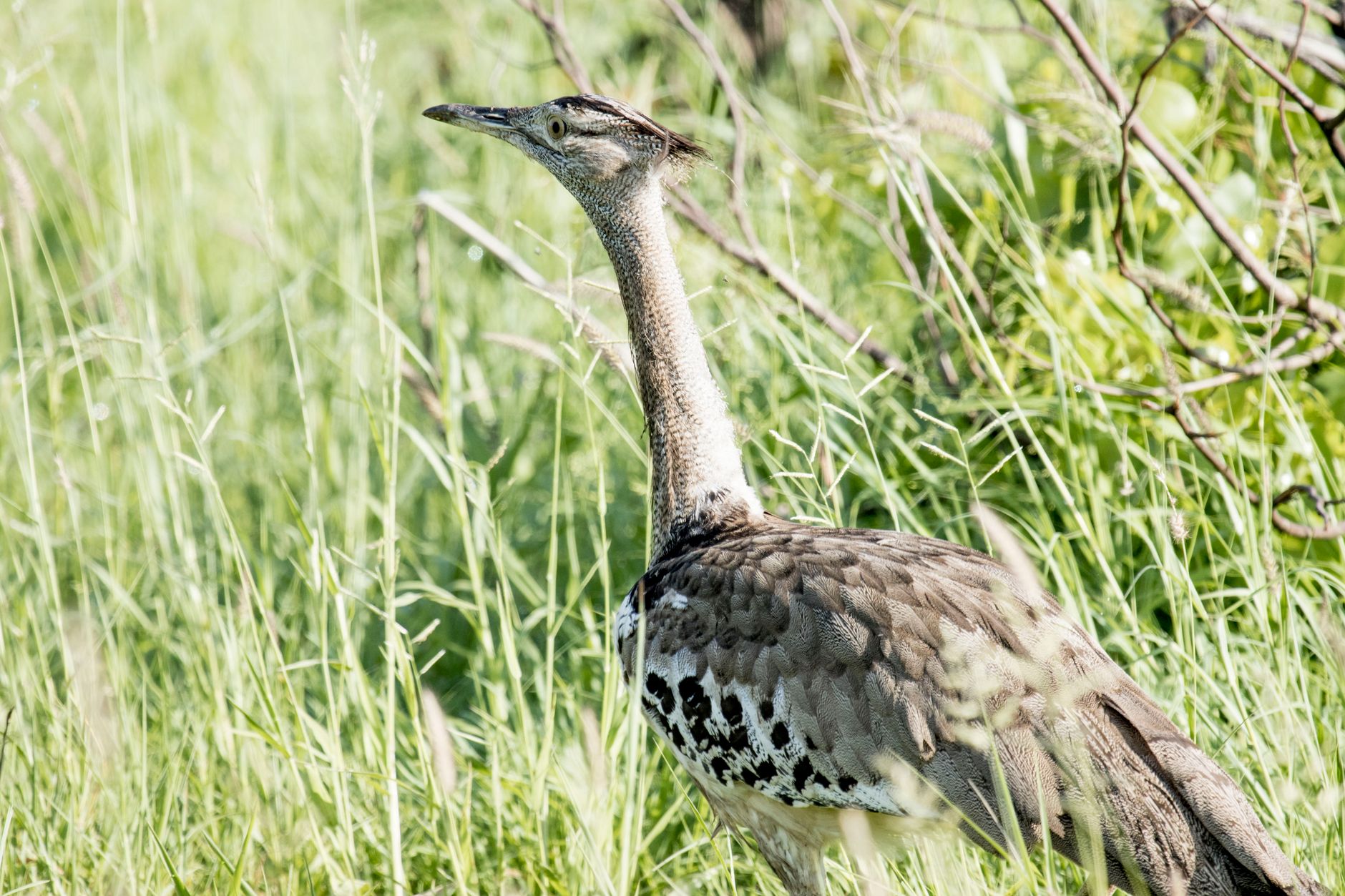
In the arid expanse of Jaisalmer's Desert National Park, a pair of wings flapped as two male Great Indian Bustards took to the sky, marking a momentous occasion in conservation history. Environment Minister, visibly elated, described the release as a 'milestone move', lauding the dedicated scientists whose relentless efforts have breathed new life into the species' dwindling numbers.
The Great Indian Bustard, a bird as grand as its name suggests, has faced the brink of extinction for years. With fewer than 130 left in the wild, the species' survival hangs by a thread. The recent release is a part of the Integrated Great Indian Bustard Conservation Project initiated in 2016, a testament to India's commitment to preserving its natural heritage.
Conservation Efforts Bear Fruit
The journey to this point has been anything but straightforward. The project began with a captive-breeding programme in Rajasthan, further bolstered by a modern breeding centre at Ramdevra. These facilities have played a crucial role in nurturing the birds before their eventual release, offering a glimmer of hope for a species once thought to be on the verge of vanishing.
Species conservation is no small feat, particularly when it involves a bird as elusive and vulnerable as the Great Indian Bustard. The project's success is attributed to the collaboration between the Wildlife Institute of India, the Rajasthan Forest Department, and a dedicated team of scientists who have worked tirelessly in often-challenging conditions.
A Broader Environmental Message
While the release of two birds may seem a modest achievement, it carries a broader environmental message. It underscores the importance of sustained, science-driven efforts in wildlife conservation. The initiative also highlights the urgent need for habitat preservation, as human encroachment and development continue to threaten the delicate ecosystems that these birds call home.
The Environment Minister's words of praise reflect a rare moment of triumph in conservation circles, a reminder that with concerted efforts, even the most endangered species can be given a fighting chance. As the Great Indian Bustards soar over the desert sands, they stand as a symbol of hope and resilience, urging us to protect the natural world for future generations.