Ministry Unveils Centres of Excellence for Classical Language Studies
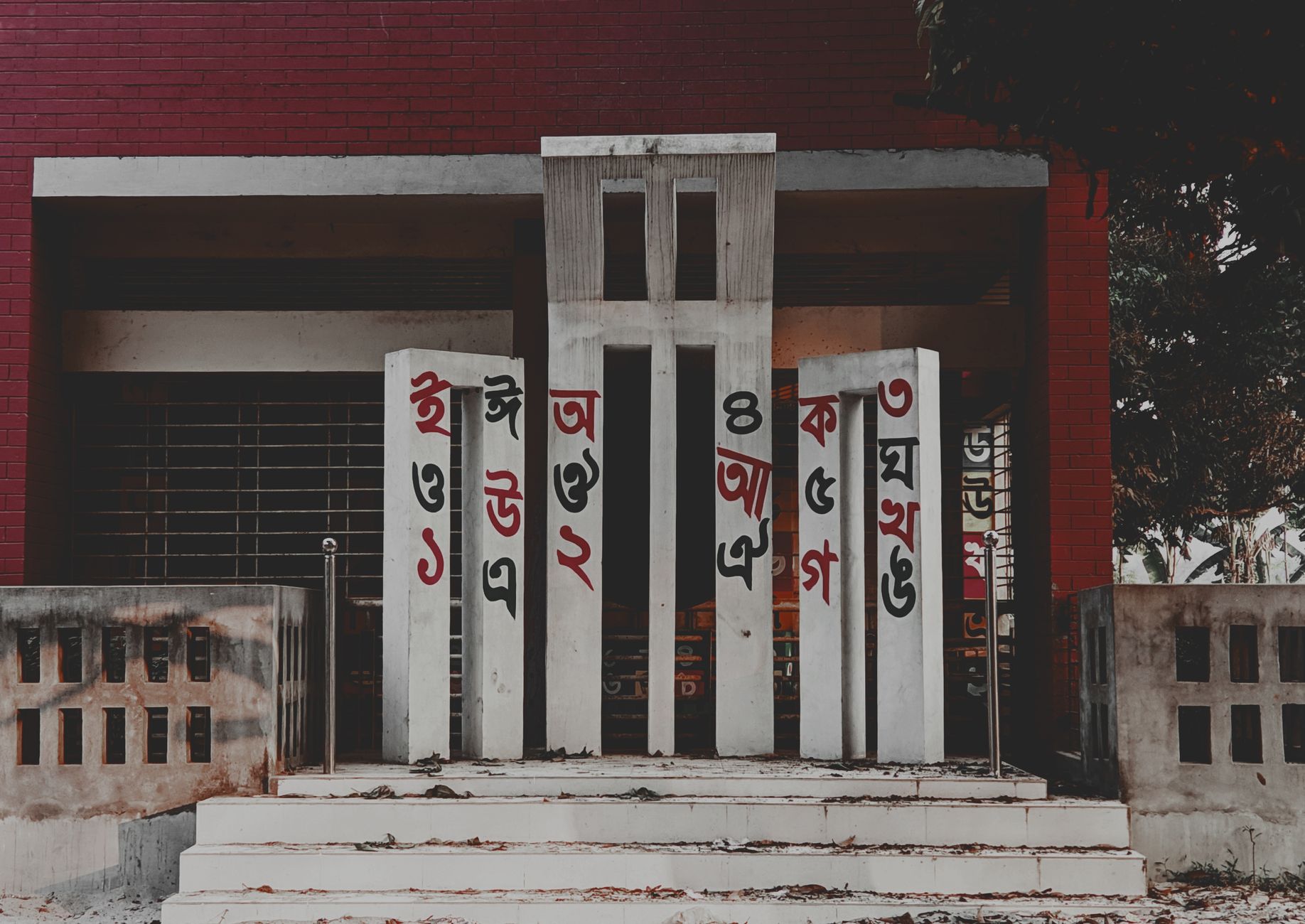
In a move that underscores the importance of linguistic heritage, the Ministry of Education has sanctioned the establishment of five Centres of Excellence dedicated to the study of classical languages. These centres, which will focus on Assamese, Bengali, Marathi, Pali, and Prakrit, are expected to become beacons of research, digitisation, and preservation. The decision marks a concerted effort to bolster academic pursuits and cultural continuity within these rich linguistic traditions.
The initiative comes at a time when there is growing recognition of the need to preserve linguistic diversity in the face of globalisation. Each of these languages boasts a profound historical and cultural significance, forming an integral part of India's mosaic of traditions. By supporting research and academic activities, these centres aim to provide scholars with the resources necessary to delve deeply into their chosen fields.
Reviving Ancient Tongues
Language experts have long advocated for more robust support of classical languages, which are often overshadowed by more dominant tongues. The introduction of these centres is a response to such calls, providing a structured environment for the study and revitalisation of these ancient languages.
Assamese and Bengali, with their rich literary histories, will benefit from focused academic attention, while Marathi, known for its medieval literature, will gain new ground for scholarly exploration. Pali and Prakrit, closely associated with early Buddhist texts and Jain literature respectively, stand to have their historical narratives and texts digitised and preserved.
Cultural Significance
The establishment of these centres also has broader cultural implications. In a world where linguistic homogenisation is rapidly increasing, maintaining the diversity of languages is vital for cultural richness. Each language encapsulates unique worldviews and traditions, serving as a repository of human knowledge and experience.
In addition to academic research, these centres will likely engage in outreach programmes to raise awareness and interest in classical languages among younger generations. By fostering an environment where these languages can thrive, the Ministry's initiative is a step towards ensuring that India's linguistic heritage remains vibrant and accessible.