Mirwaiz Umar Farooq Calls for Rethink on Group Bans in J&K
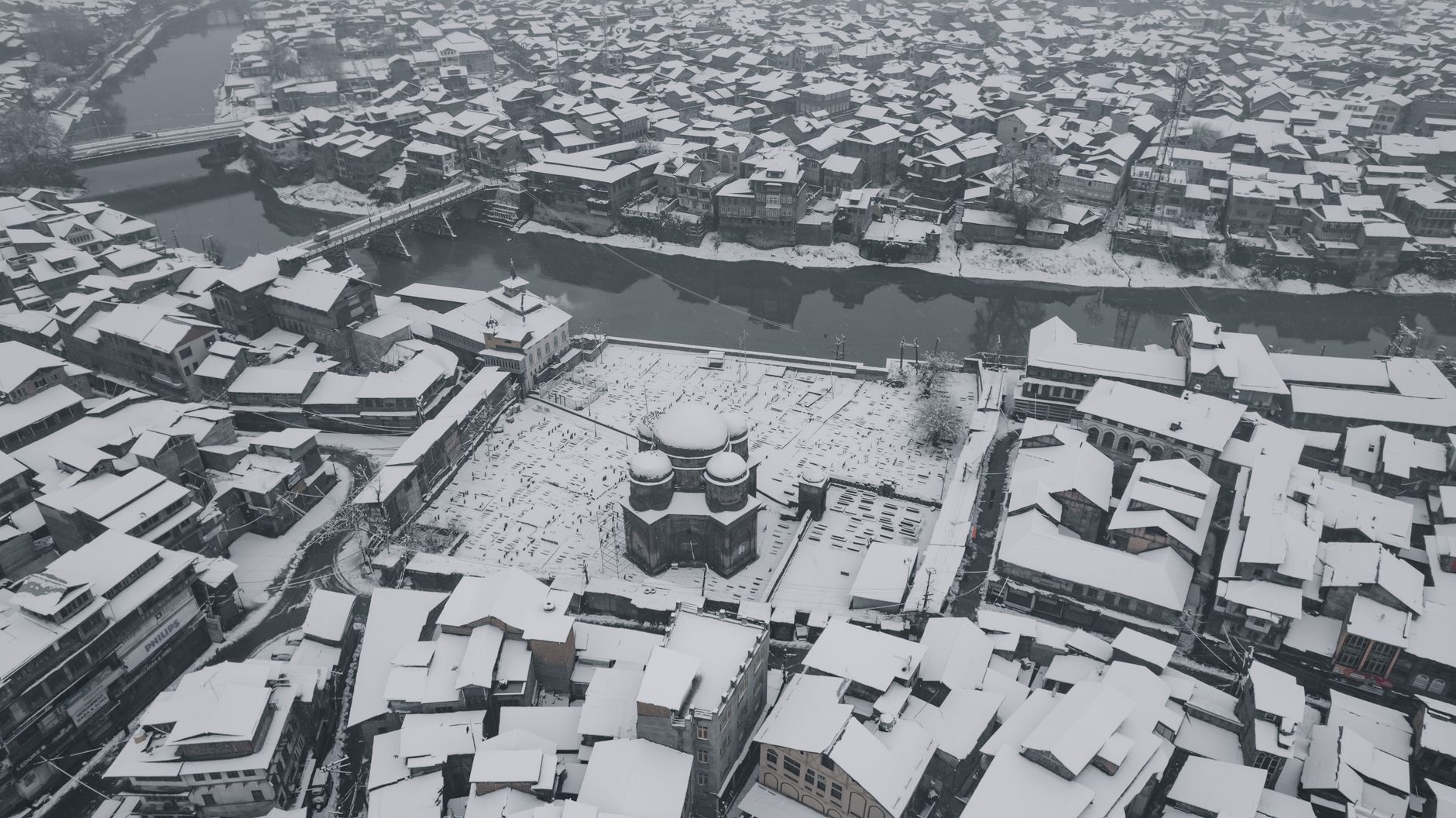
In the ever-contentious theatre of Jammu and Kashmir's politics, a familiar voice has called for a change of tune. Mirwaiz Umar Farooq, a prominent religious and political figure, has urged the Indian government to reconsider its policy of banning certain social and political groups within the Union Territory.
Speaking from his base in Srinagar, the Mirwaiz articulated a concern that is both timely and timeless: the exclusion of genuine political voices, he argues, risks derailing the fragile peace process in the region. "A sustainable political process cannot be built by excluding genuine representatives or replacing them with convenient alternatives," he remarked, signalling the importance of dialogue over dictation.
The backdrop to Farooq's plea is a landscape marked by decades of tension and intermittent violence. Jammu and Kashmir, once a princely state, has often found itself at the epicentre of geopolitical struggles. In recent years, the central government's approach has involved cracking down on organisations deemed to pose a threat to national security. However, critics argue that such measures often sweep too broadly, encompassing groups that might otherwise contribute constructively to the political discourse.
The Call for Dialogue
The Mirwaiz's call is not without its challenges. The political environment in Jammu and Kashmir is as complex as it is volatile. Yet, his appeal highlights a fundamental question: can peace and progress truly be achieved without engaging those who represent significant segments of Kashmiri society?
Farooq's remarks come at a time when the Indian government is seeking to project an image of stability and normalisation in the region. However, any semblance of calm is often tenuous, undercut by sporadic flare-ups and a pervasive sense of disenfranchisement among many residents.
A Broader Context
The issue of banning groups is not unique to Jammu and Kashmir. Across the globe, governments grapple with balancing security concerns against the need for open dialogue. The situation in Kashmir, however, is further complicated by its unique historical and cultural context.
Mirwaiz Umar Farooq's call to reconsider these bans may find resonance among those advocating for a more inclusive approach. Whether the Indian government will heed his advice remains uncertain, but the discussion he has sparked is unlikely to fade quietly into the background.