Modern Technology to Revive Telangana's Minor Irrigation System
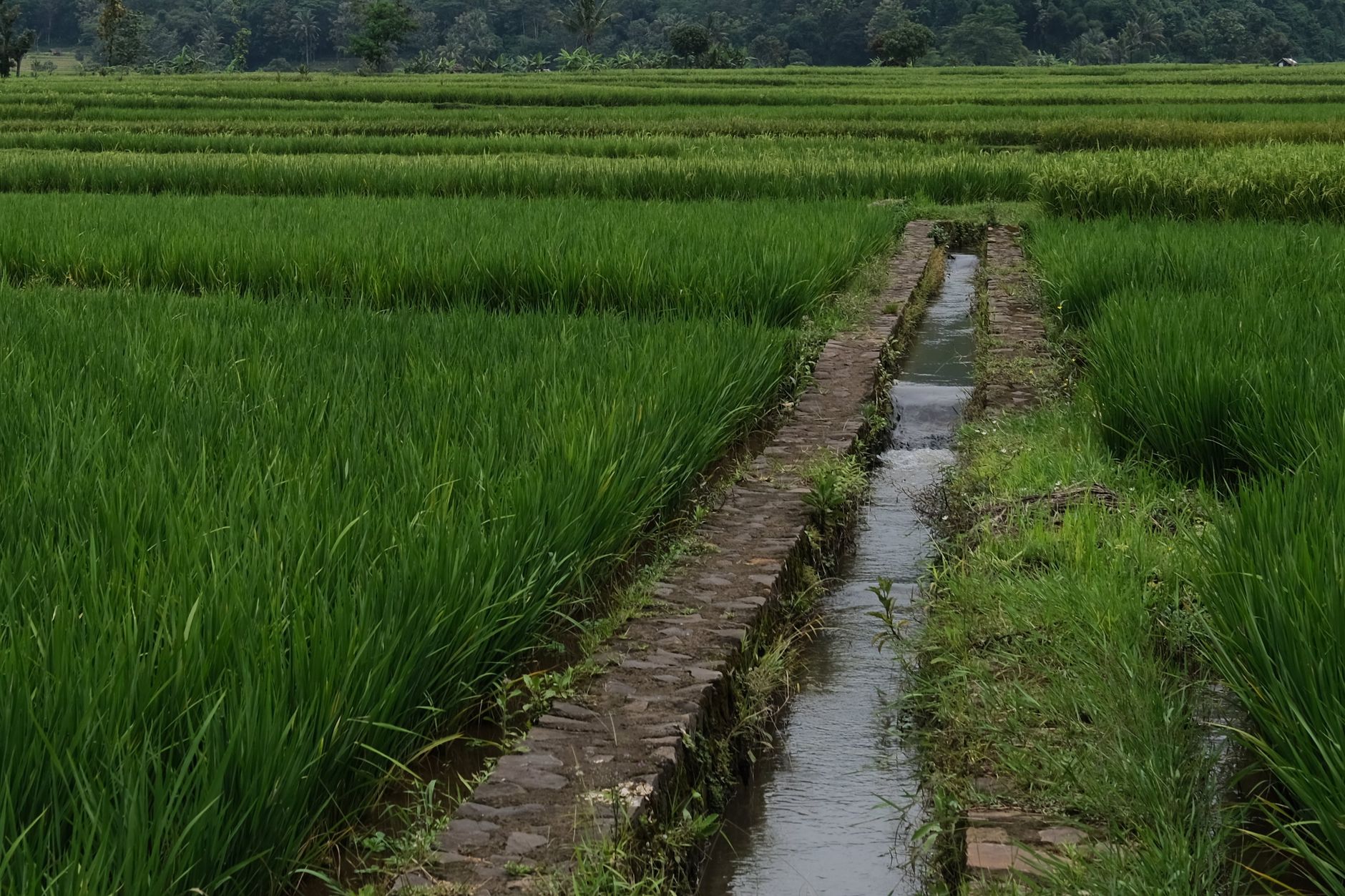
In a bid to modernise Telangana's agricultural backbone, the state’s Agriculture and Farmers’ Welfare Commission has unveiled a bold proposal: the revival of the minor irrigation system, bolstered by cutting-edge technology. This initiative, they argue, could be the linchpin in enhancing water-use efficiency and ensuring agricultural sustainability in the region.
The recommendation, part of a comprehensive report, suggests that integrating advanced technical units into the irrigation framework would not only rejuvenate the ageing infrastructure but also significantly optimise water management. The Commission's vision extends to a command area-based management system that would harmonise minor and major irrigation resources, ensuring a more coordinated and efficient approach to water distribution.
A System in Need of Revival
For decades, minor irrigation systems have been the unsung heroes of agriculture in Telangana, quietly supporting a significant portion of the state's farming activities. However, these systems have long suffered from neglect and underinvestment, leading to inefficiencies and water wastage. The Commission's proposal aims to address these issues head-on by leveraging technology to modernise and streamline operations.
Technology-driven units, as envisioned by the Commission, could include automated water release mechanisms, real-time monitoring systems, and data analytics tools to predict and manage water needs more effectively. Such advancements could transform the way water resources are managed, making them more responsive to the needs of farmers and the changing climate.
Legal Framework and Future Prospects
Another facet of the Commission's proposal is the introduction of a separate minor irrigation law. This legal framework would specifically focus on the protection and management of tanks, which are crucial for the state's water security. By enshrining these systems in law, the Commission hopes to safeguard them against encroachment and mismanagement, thus preserving them for future generations.
The proposal is not without its challenges. Implementing such a comprehensive overhaul would require substantial investment and political will. However, the potential benefits—improved agricultural productivity, better water conservation, and enhanced livelihoods for farmers—make it a proposition worth considering.
As Telangana grapples with the twin challenges of climate change and water scarcity, the Commission's recommendations offer a promising path forward. By embracing modern technology and establishing a robust legal framework, the state could well set a precedent for others to follow in the quest for sustainable agriculture.