Modi's Reluctance to Replace Education Minister Sparks Debate
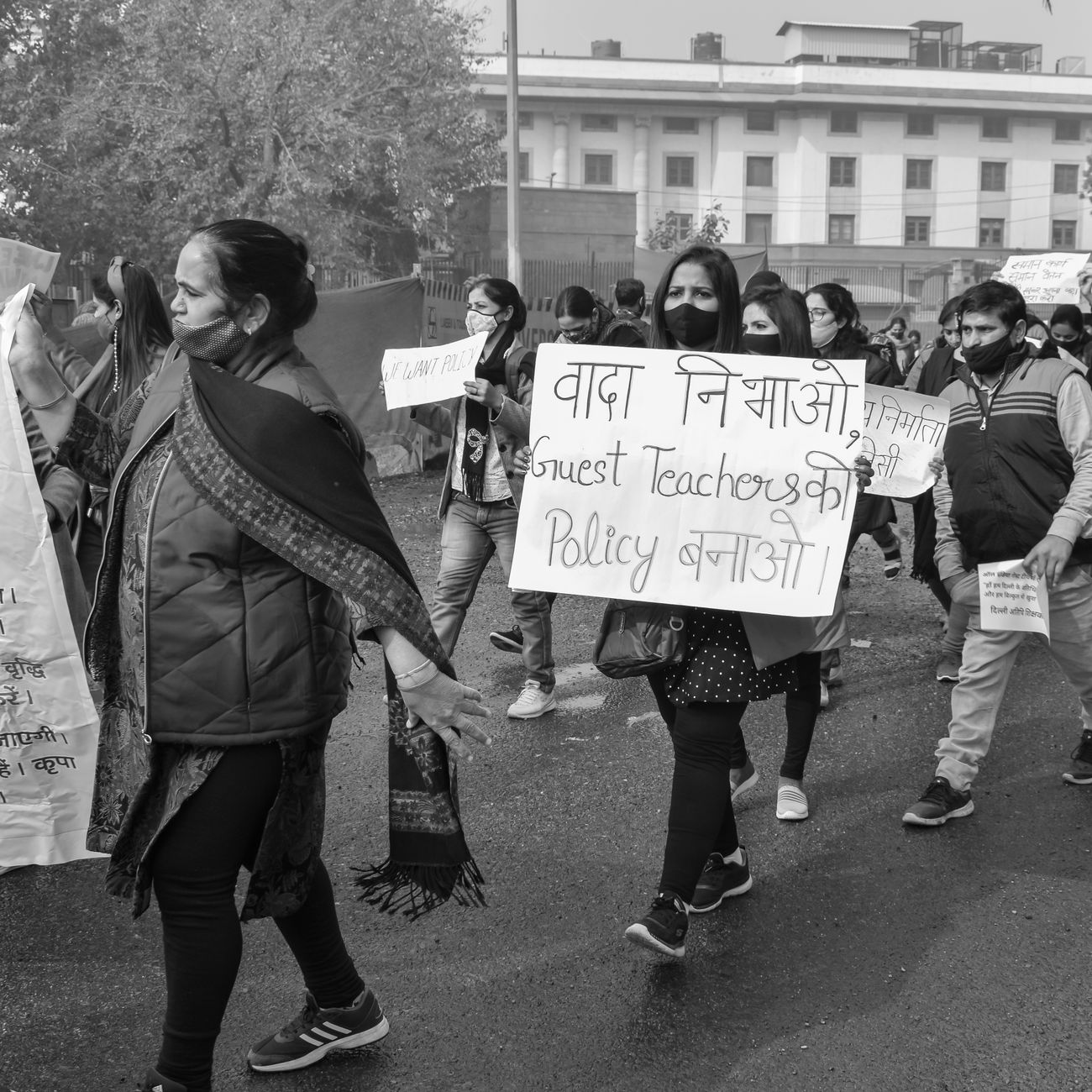
In a country where education is often a tinderbox for political tension, Prime Minister Narendra Modi's steadfast refusal to dismiss his education minister has ignited yet another controversy. The decision comes at a time when protests are swelling, demanding accountability and change in the educational policies that many believe have stagnated under current leadership.
Critics argue that Modi's choice to stand by his minister is emblematic of his broader political strategy. It is a strategy marked by loyalty to his inner circle, even when public sentiment strongly indicates otherwise. This pattern of governance has been both a hallmark of his tenure and a frequent point of contention among his opponents.
A Familiar Playbook?
The refusal to sack underperforming or controversial ministers is not unprecedented in Modi's administration. Observers note that similar scenarios have unfolded in other ministries, where public outcry seemed to fall on deaf ears. Many suggest that this unwavering loyalty is intended to project stability and confidence in his team, yet it often leads to accusations of ignoring public grievances.
Education, a sector critical to India's future, has seen its share of challenges and criticisms. From outdated curricula to inadequate funding, the issues are manifold. The current protests, therefore, are not merely about a single minister's performance but about a broader dissatisfaction with systemic inertia.
The Broader Implications
The reluctance to initiate changes at the ministerial level raises questions about the government's responsiveness to public demands. While Modi's administration has been credited with several economic and infrastructural achievements, the perceived neglect in addressing educational reforms is a growing concern.
For many, education represents not just an academic pursuit but a lifeline to opportunities and development. As such, the government's stance on this matter could well influence public perception and voter sentiment in upcoming elections.
In the end, Modi's decision may be rooted in a desire to maintain a semblance of control and consistency within his government. However, the cost could be a further alienation of critical voices that are crucial for a thriving democracy.