MP Challenges Facial Recognition Use at NEET Protests
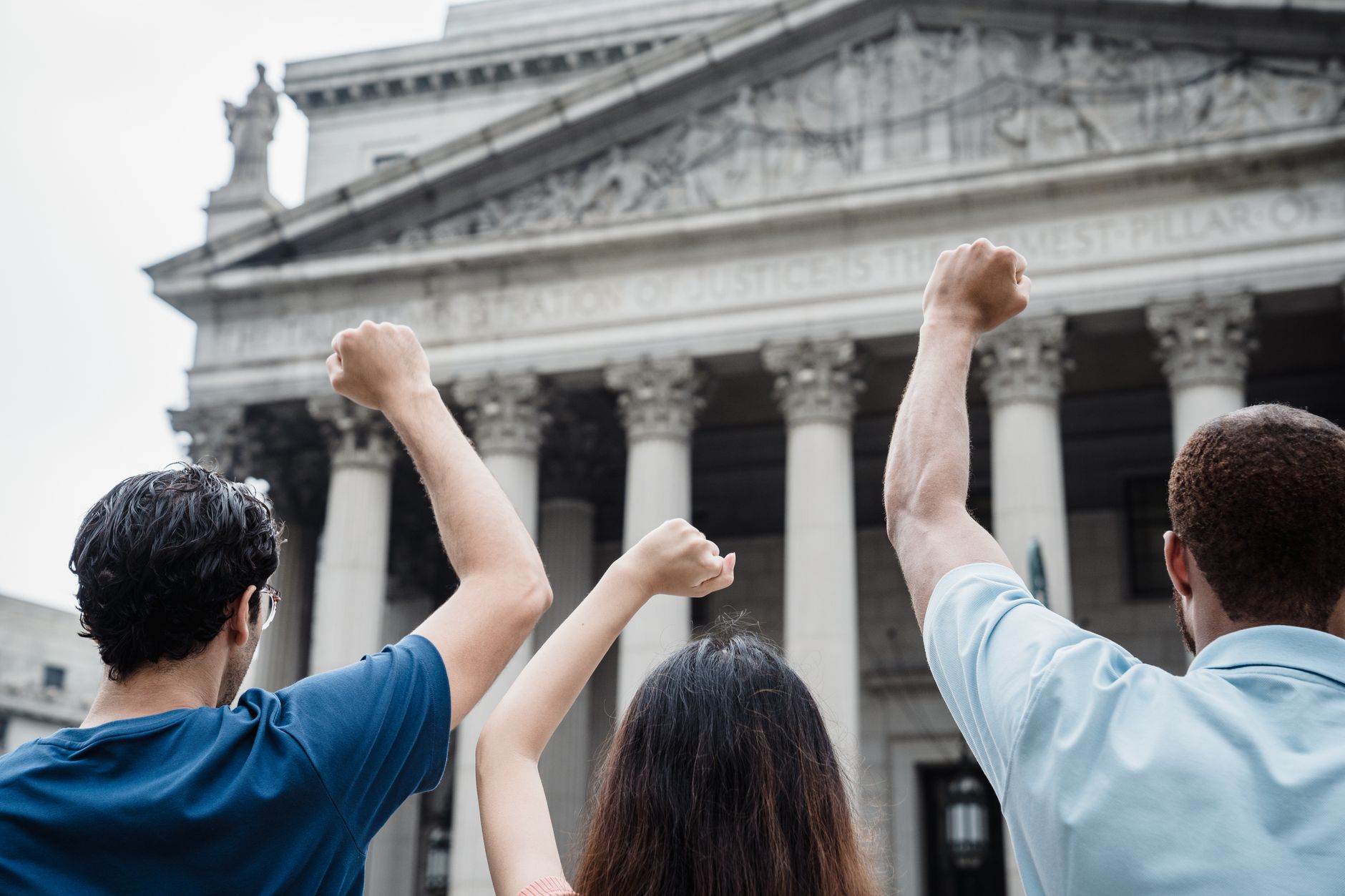
The simmering tension between students and authorities over the NEET examination paper leak has taken another twist, as Rajya Sabha MP Manoj Kumar Jha has moved the Supreme Court against the use of facial recognition technology during protests. Mr Jha, a vocal advocate for civil liberties, has expressed grave concerns over what he perceives as an infringement on privacy and a potential catalyst for further unrest.
Facial recognition technology, which has been increasingly adopted by law enforcement agencies worldwide, is hailed by some as a tool for enhancing security. However, critics argue that its deployment in public protests encroaches on individual freedoms and lacks adequate regulatory oversight. The debate is particularly poignant in India, where surveillance measures have faced scrutiny amid allegations of police excesses.
Mr Jha's petition to the Supreme Court calls for a thorough investigation into the alleged police brutality during the NEET protests, including a Special Investigation Team (SIT) probe. He seeks not only accountability for those responsible for the reported firing on students but also a broader examination of the legality and ethics of using facial recognition in such contexts.
The Supreme Court, while acknowledging the need for public order, has underscored the importance of a transparent and impartial inquiry into the events. It has also stated unequivocally that protesters must remain within the bounds of law, signalling a delicate balancing act between maintaining civic order and protecting civil rights.
This case, emblematic of broader global debates on privacy versus security, raises fundamental questions about how far authorities can go in monitoring citizens. As India grapples with these issues, the outcome of Mr Jha's petition could set a precedent for the future of surveillance in the country.