Munde's Absence Sparks Debate Over Panchganga Pollution
In the bustling district of Kolhapur, where the Panchganga River meanders through Maharashtra, a palpable tension simmers beneath the surface. Environment Minister Munde's recent visit, marked by her conspicuous absence from the river's polluted stretch, has rekindled a debate on governmental priorities.
While Munde inspected the 76 MLD sewage treatment plant, lauded for its advanced sequencing batch reactor technology, her decision to bypass the river itself has not gone unnoticed. The treatment plant represents a significant step towards addressing wastewater concerns, offering treated water for non-potable uses. Yet, the omission of a visit to the river signifies a missed opportunity to directly engage with the pressing environmental challenges facing the region.
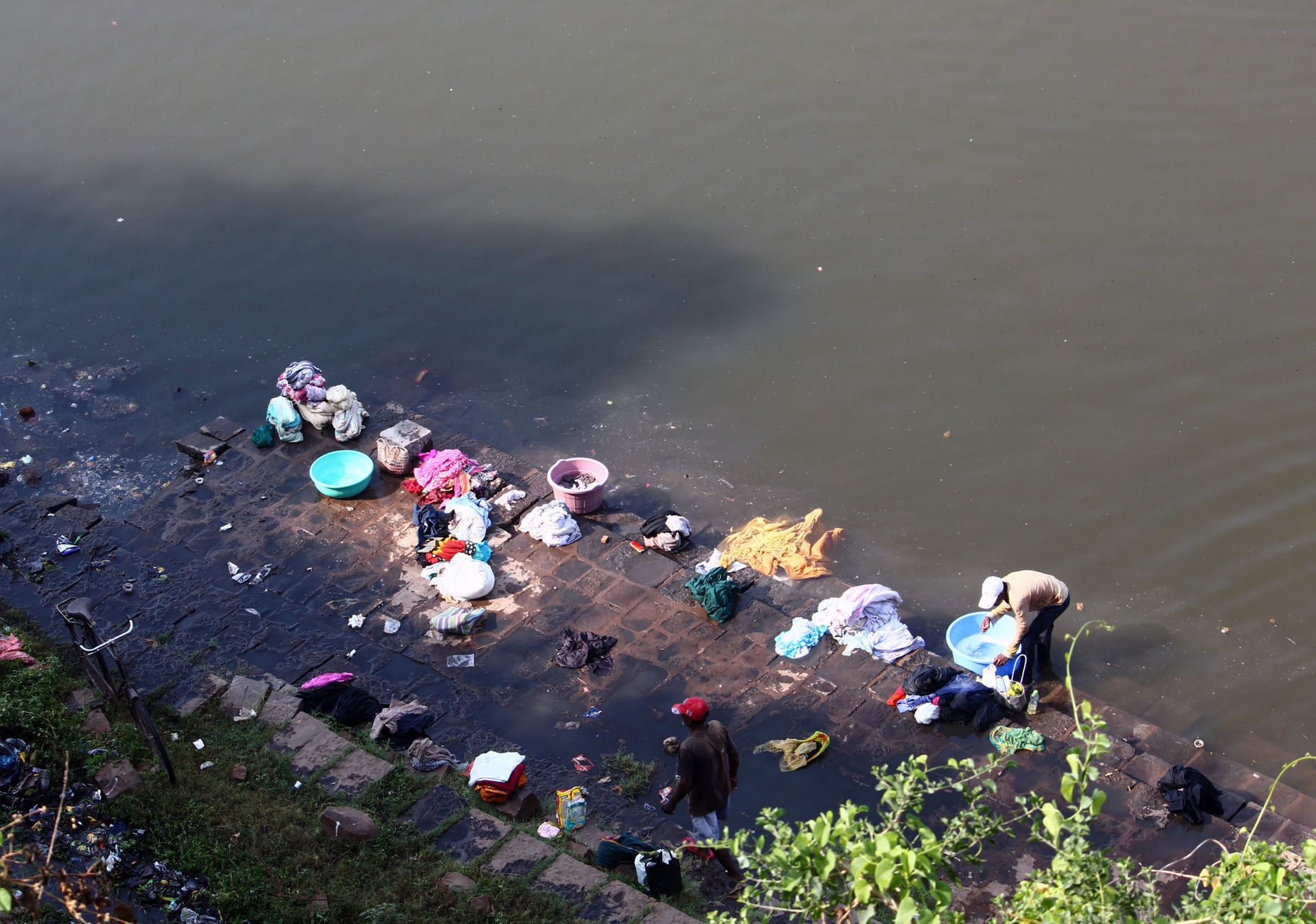
The Panchganga River, a tributary of the Krishna, is a lifeline for many. It originates at Prayag Sangam in Kolhapur's Chikhlee Taluka, where five rivers converge. However, its waters have been troubled by pollution, a blight exacerbated by industrial discharges and untreated sewage. The minister's absence thus raises questions about the government's commitment to resolving these issues.
Adding to the urgency, recent heavy rains have swollen the river's waters, surpassing warning levels and prompting evacuations in six riverside villages. The potential for flooding looms large, partly due to the management practices at Karnataka's Almatti Dam, which affect downstream flows.
Ministerial Priorities in Question
Critics argue that Munde's itinerary reflects a broader governmental indifference to environmental crises. A visit to the river, they contend, would have underscored the administration's resolve to tackle pollution head-on. Instead, her focus on infrastructure projects, while vital, seems to signal a preference for technological solutions over immediate ecological concerns.
The debate is far from over. The Panchganga's plight remains a vivid symbol of the environmental challenges besetting India, where rapid industrialisation often collides with ecological stewardship. As the rains continue to lash Kolhapur, the river's fate hangs in the balance, awaiting a comprehensive action plan that addresses both the root causes and the urgent symptoms of its pollution.