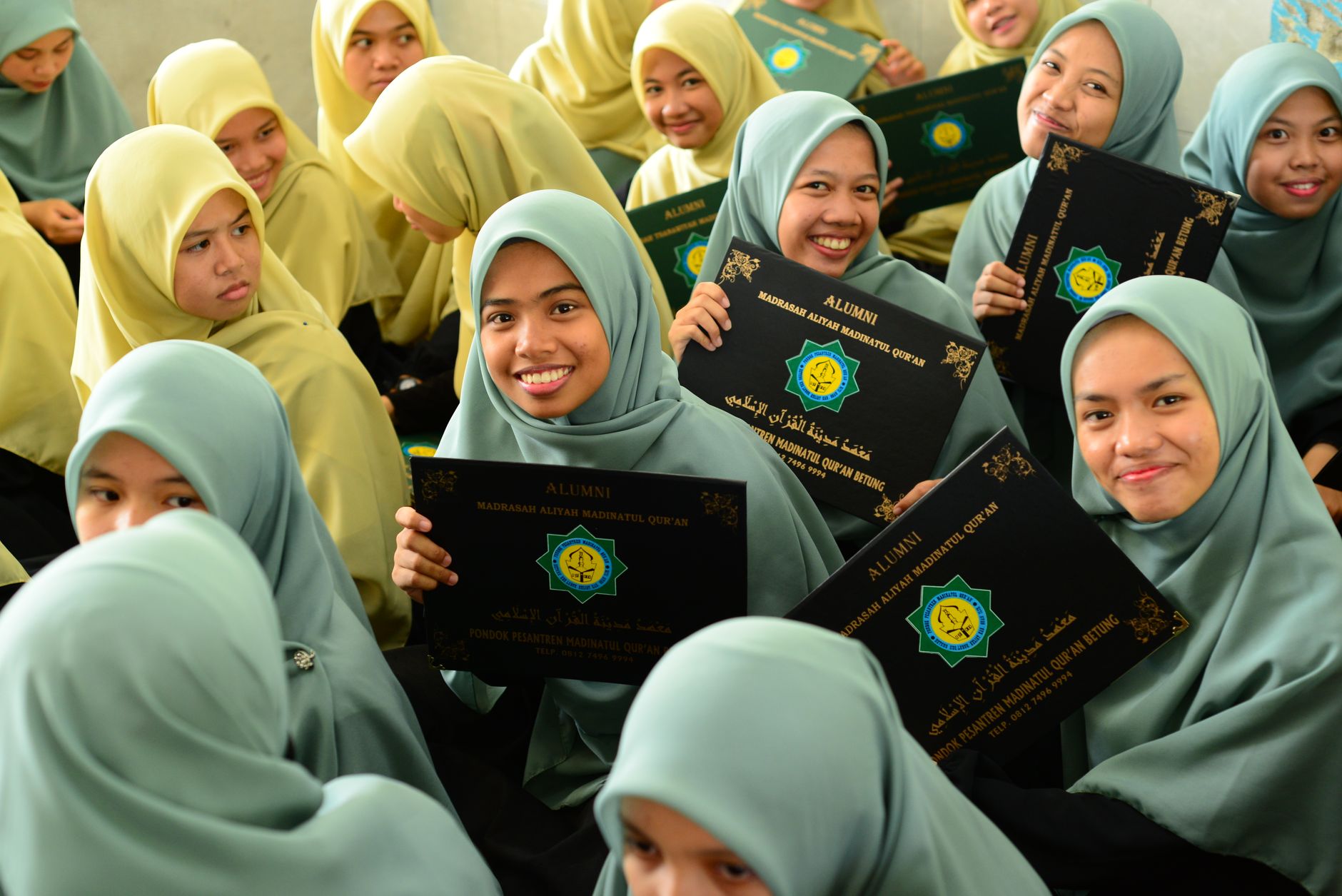
Murli Manohar Joshi Criticises Modi's Education Reforms Amid Scandal Allegations
In a sharp critique of the current administration, veteran BJP leader Murli Manohar Joshi has openly questioned the efficacy of the Modi government's education policies. Speaking candidly, Joshi highlighted the paradox of expecting integrity from students while the government itself is mired in scandals.
Joshi's comments come at a time when the Indian Prime Minister, Narendra Modi, has been actively promoting the National Education Policy 2020, marking its third anniversary. The policy, hailed by some as a progressive step forward, aims to overhaul the Indian education system. However, Joshi, a former education minister, is less than convinced about its impact, especially in the shadow of recent controversies.
Scandals and Standards
"Scams are happening in business; the government itself is embroiled in scams. Why, then, do you blame these poor students?" Joshi remarked, underscoring a deep-seated scepticism about the moral standards being set by the current leadership. His statement resonates with a segment of the populace disillusioned by persistent allegations of corruption within the government.
The veteran leader's call to reflect on India's standing in global educational benchmarks is timely. As the world becomes increasingly interconnected, India's aspirations to be a global leader hinge significantly on its educational prowess. Yet, the question remains whether the current policies are sufficiently robust to meet these ambitions.
The Broader Implications
Prime Minister Modi, who recently sought counsel from Joshi, appears undeterred by the criticism. His administration remains committed to enforcing stricter measures against issues such as exam paper leaks, a recurring blight on India's educational reputation.
However, Joshi's concerns highlight a broader issue: the need for transparency and accountability in governance, which extends beyond education. As India stands at a crossroads, balancing its rich cultural heritage with modern aspirations, the clarity and effectiveness of its policies will play a crucial role in shaping its future.
In the end, Joshi's critique is not just an admonition of the current government but a clarion call for a more introspective and honest appraisal of India's educational and moral compass. Whether the Modi government can address these issues while maintaining its trajectory of reform remains a question of considerable importance.