Muted Dahi Handi Celebrations Reflect Mumbai's Political Climate
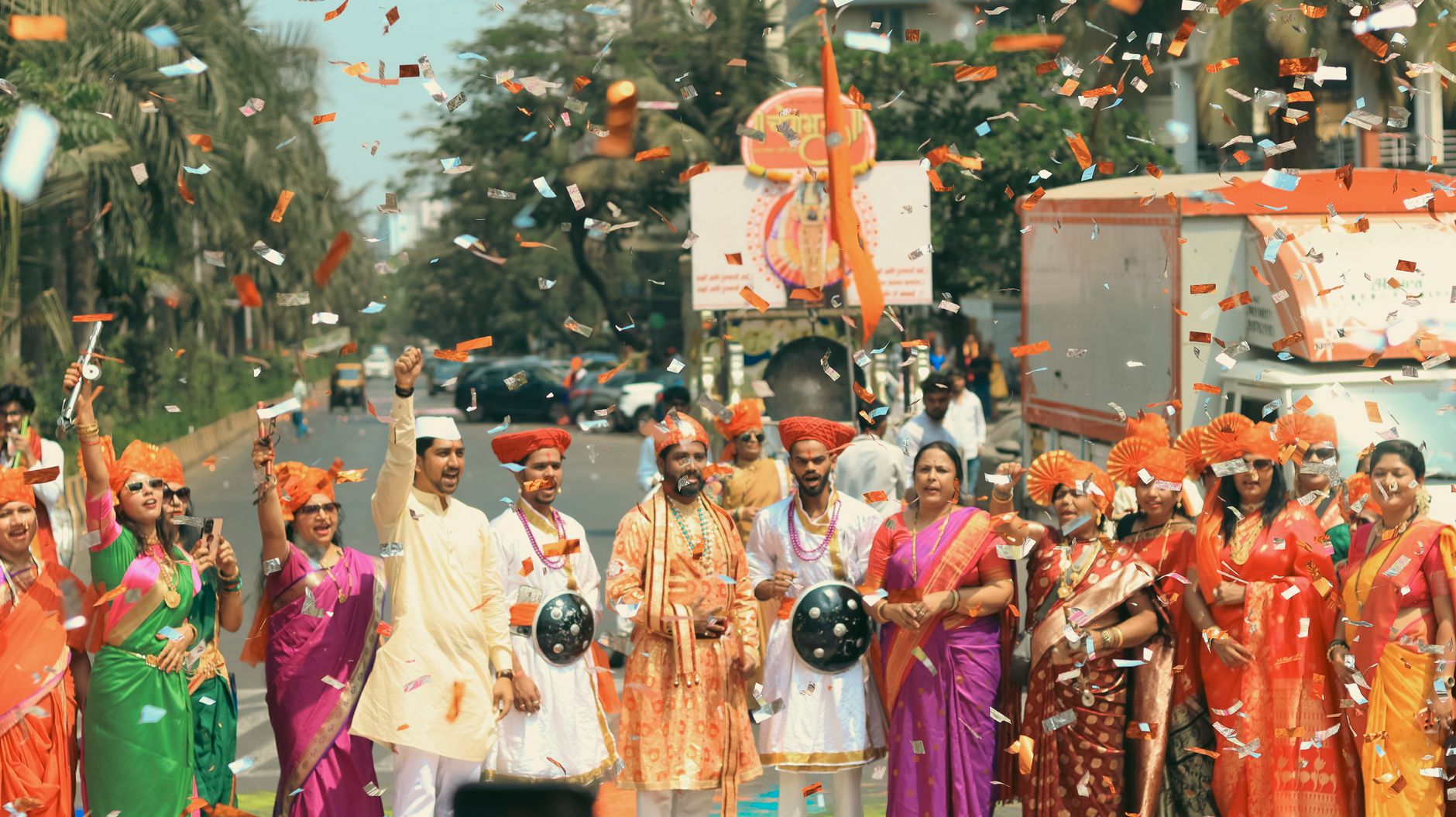
In the bustling streets of Mumbai, a certain quietude hung over this year's Dahi Handi celebrations. Historically a spectacle of daring human pyramids and vibrant political pageantry, the festivities this year were markedly muted. The absence of the usual fanfare was palpable, as fewer posters adorned the cityscape and the buzz of excitement seemed curiously absent.
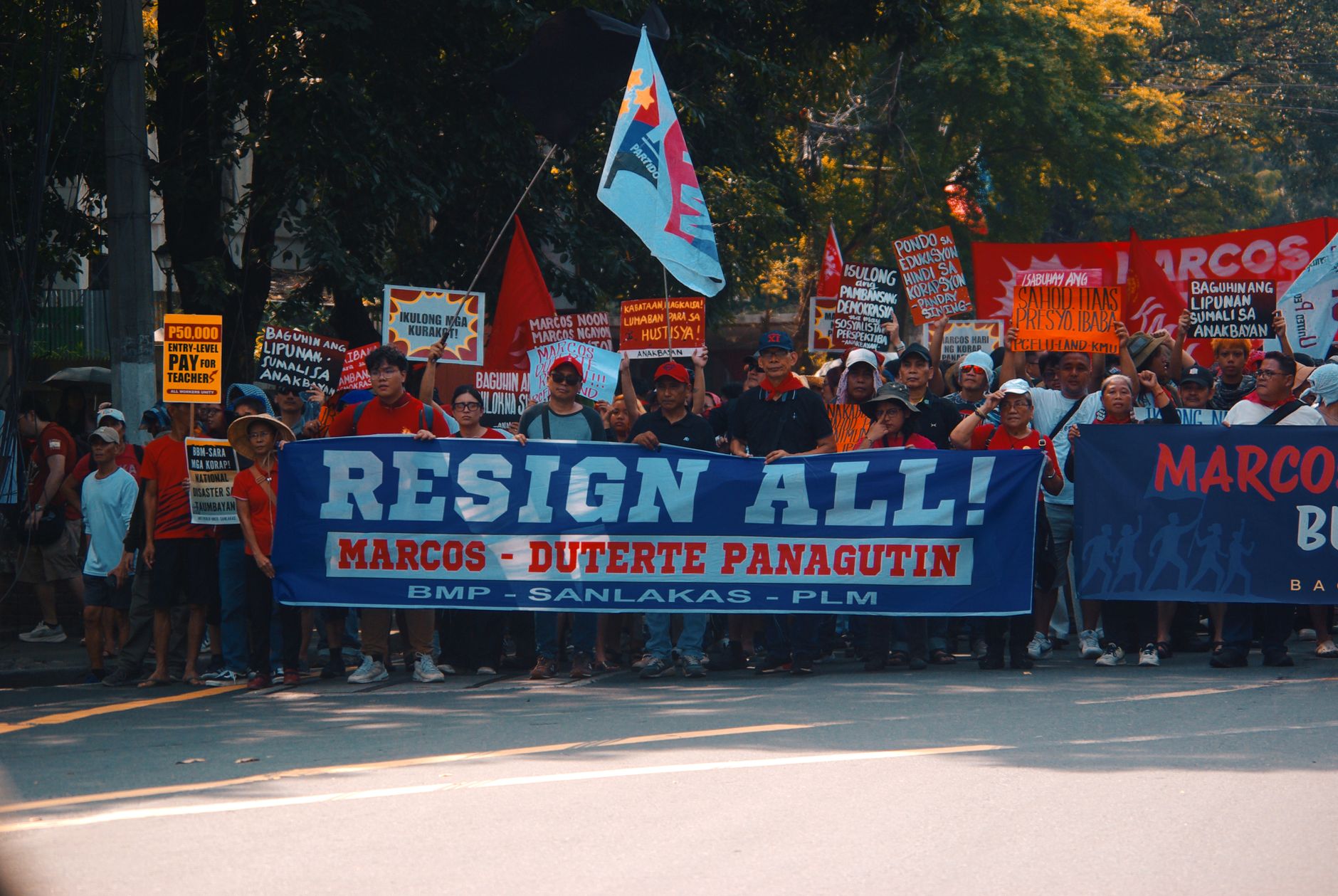
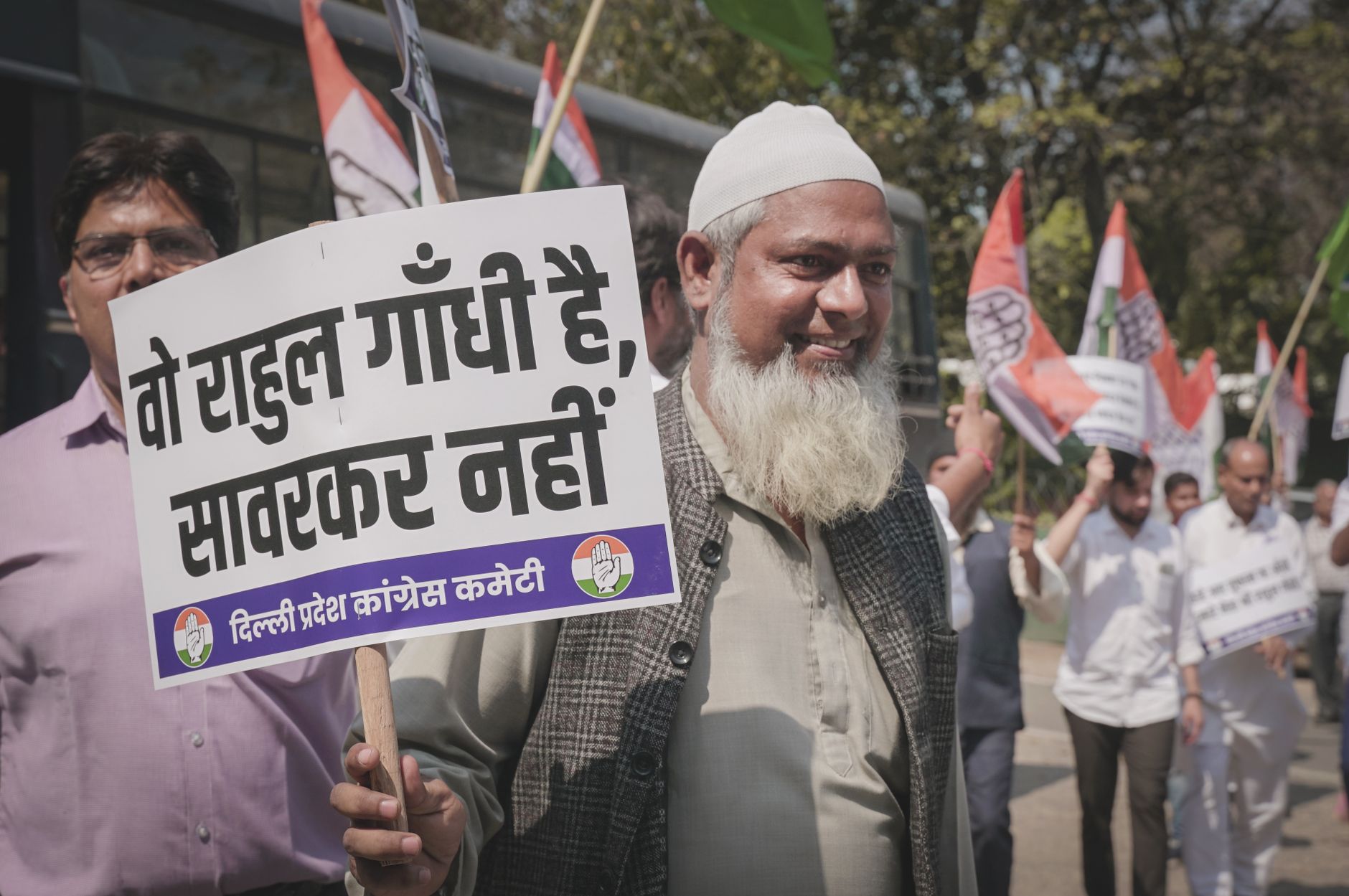
This alteration in tone can be largely attributed to the political calendar. With no elections looming, the fervour that typically accompanies such events seemed to have ebbed. Political parties, often keen to capitalise on the visibility these celebrations offer, appeared less inclined to exert their influence this year.
Moreover, recent natural calamities have cast a long shadow over the celebrations. The devastating floods in western Maharashtra have prompted a more restrained approach. It is a reflection of the organisers' sensitivity towards those affected, with many choosing to direct resources towards relief efforts instead.
Despite the subdued atmosphere, the spirit of the festival was not entirely lost. Crowds still gathered, albeit in smaller numbers, to witness the formation of human pyramids. Yet, the energy was tempered by restrictions imposed on the height of the pyramids and the decibel levels of the accompanying music, measures implemented to ensure safety and compliance with local regulations.
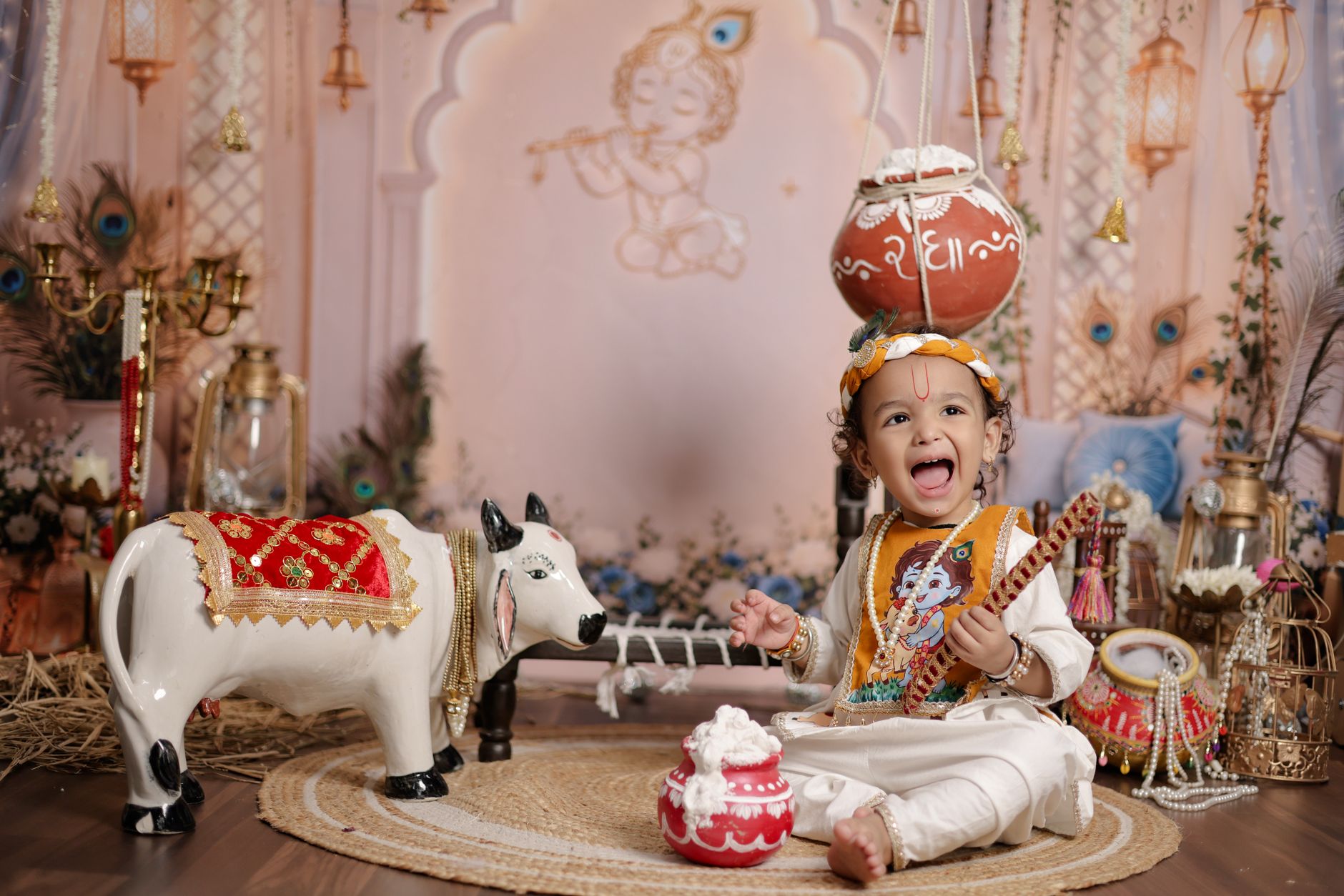
The Dahi Handi festival, which celebrates the birth of Lord Krishna, remains a cultural cornerstone for Mumbaikars. While this year's muted celebrations reflected a mix of political apathy and practical restraint, they also underscored a communal resilience. The quieter festivities served as a poignant reminder of the city's enduring spirit and adaptability in the face of adversity.