Nagaland Joins Forces with Google to Digitise School Education
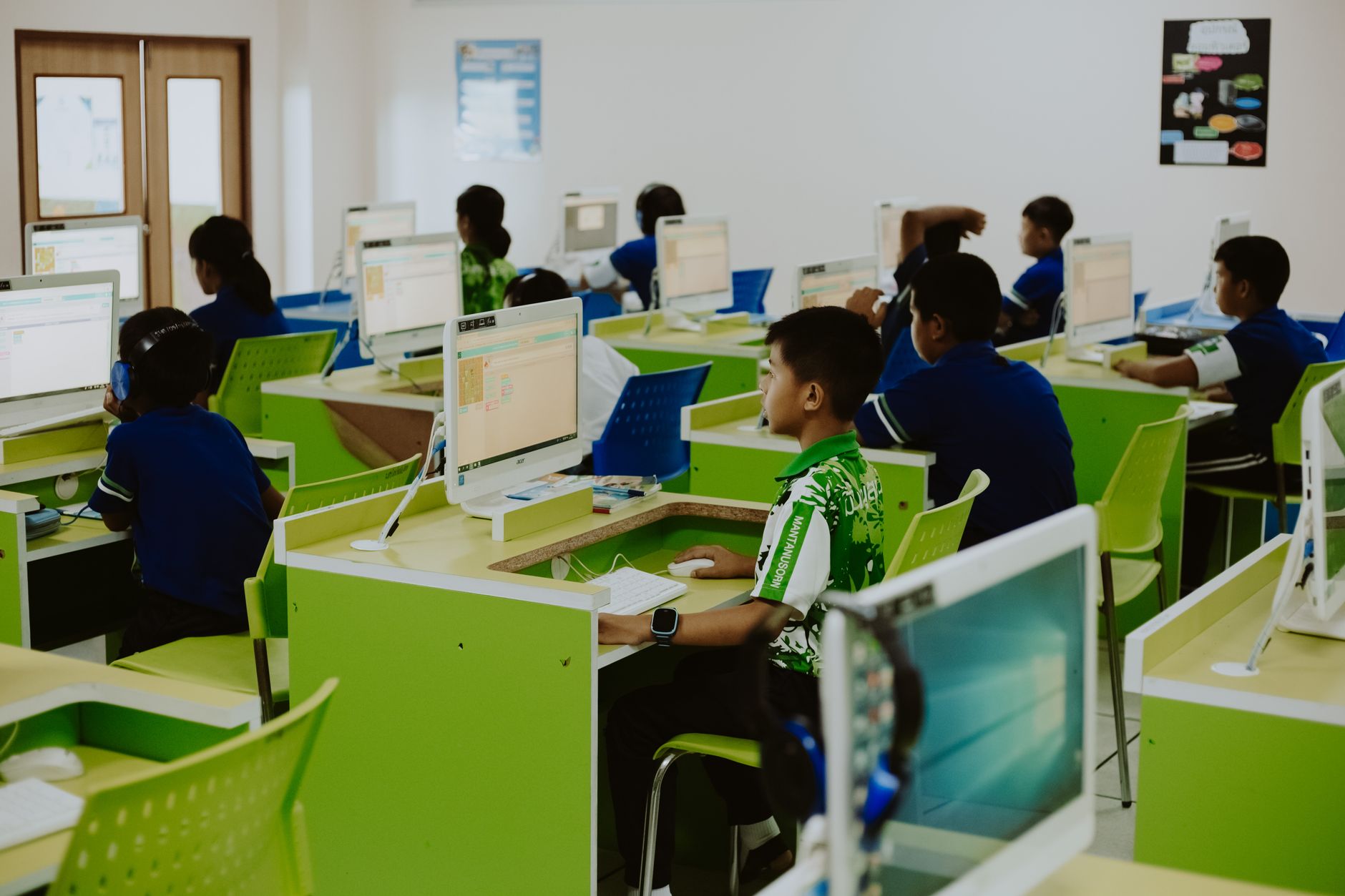
In a bid to catapult its educational infrastructure into the digital age, the Nagaland government has inked a deal with tech giant Google. This agreement, signed on a seemingly ordinary Tuesday, heralds a new chapter in the state's journey towards modernising education. The Memorandum of Understanding (MoU) was signed by Thavaseelan K, the principal director of School Education in Nagaland, and Devendra Gaur, senior vice president at EMBIBE, with other dignitaries in attendance.
At the heart of this partnership lies a commitment to integrating digital tools into the classroom, aimed at enhancing both teaching and learning. Google's involvement is expected to bring a wealth of resources and expertise, particularly in the realm of STEM (Science, Technology, Engineering, and Mathematics) subjects. The programme is designed to empower students with the skills requisite for thriving in a digital economy, thus aligning with India's broader educational strategies.
Preparing Students for a Digital Future
Nagaland's move to collaborate with Google is part of a larger strategy to equip its young minds with future-ready skills. The initiative will introduce a range of digitally-focused educational programmes, providing students with access to cutting-edge learning tools and resources. This is not merely about installing computers in classrooms; it is about fostering an environment where technology becomes an integral part of the learning process.
The state government has recognised the pressing need to adapt its educational framework to the demands of the 21st century. By embracing digital education, Nagaland aims to bridge the gap between traditional learning methods and the skills required in today's tech-driven world.
Broader Implications for Nagaland
This partnership could also have wider implications for Nagaland's economic landscape. By nurturing a digitally literate generation, the state positions itself favourably in attracting tech investments and fostering innovation. Moreover, it sets a precedent for other Indian states to follow suit, reinforcing the importance of technology in education.
As the ink dries on this promising agreement, the focus now shifts to implementation. Success will depend on effective execution and the ability to adapt these digital tools to local educational contexts. Nonetheless, the collaboration with Google marks a significant step forward, promising a brighter educational future for Nagaland's students.