Nagaland's Bold Step: Live Entertainment to Drive Economy
In a bid to transform its economic landscape, Nagaland is venturing into a new realm with the introduction of a Live Entertainment Economy framework. This initiative aims to harness the power of live performances to boost tourism, create jobs, and invigorate the local economy.
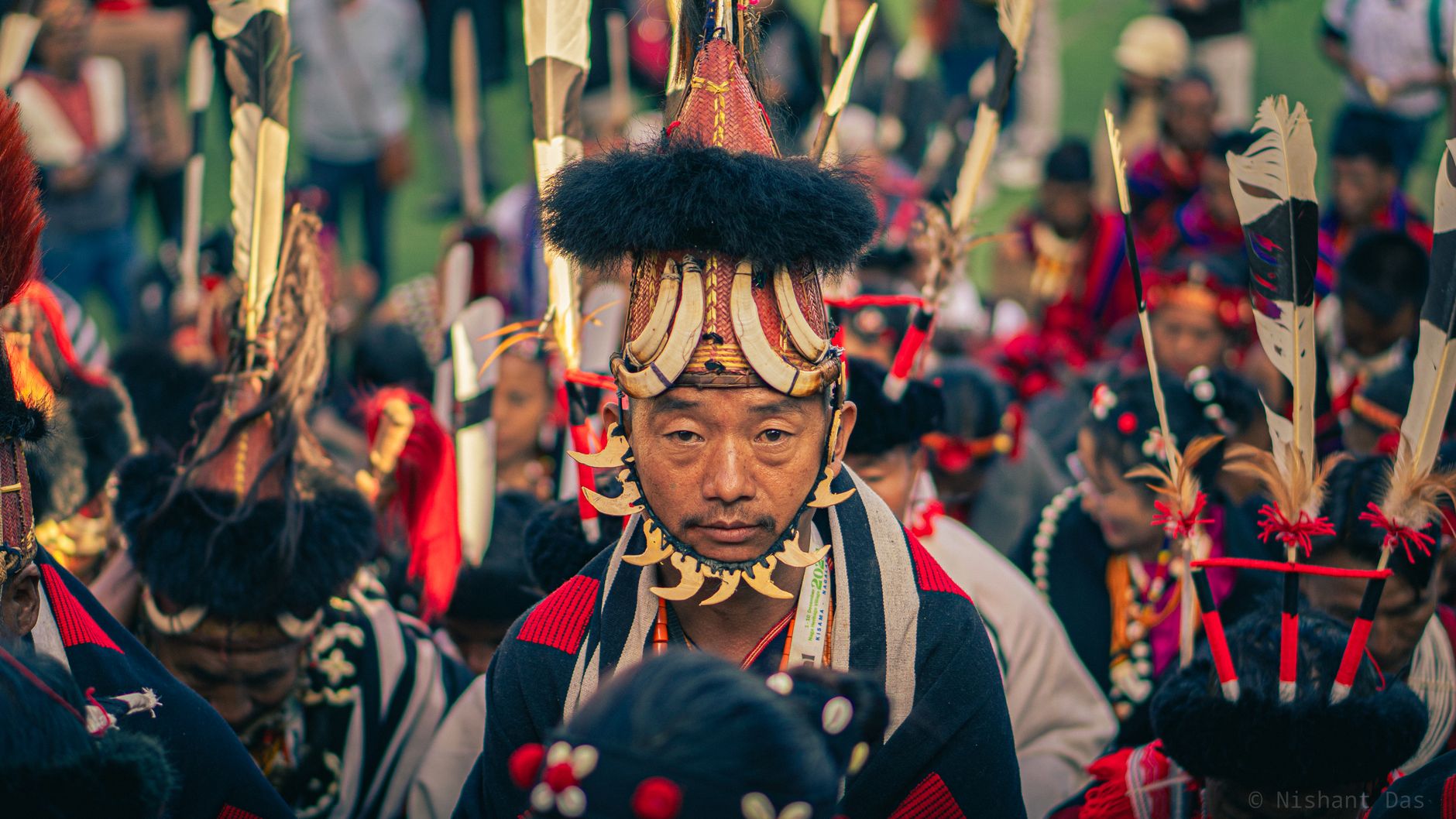
Situated in the lush hills of North East India, Nagaland is renowned for its rich cultural heritage and vibrant festivals. The state government, recognising the untapped potential of its cultural assets, is now seeking to promote these through organised live entertainment events. These events, featuring local artists alongside national and international performers, could serve as a magnet for tourists, injecting much-needed revenue into the economy.
Economic Revitalisation through Culture
The framework is not just about entertainment; it’s about economic strategy. By fostering a thriving live entertainment industry, Nagaland hopes to provide employment opportunities for its youth, many of whom currently migrate in search of work. The government anticipates that a robust entertainment sector could keep talent within the state, offering a lifeline to local musicians, event organisers, and support staff.
"We are exploring how live entertainment can be a catalyst for economic growth," an official from the state government explained. "Our cultural events have always drawn interest, and by formalising this into a structured economy, we can maximise the benefits."
Tourism as a By-product
The impact on tourism could be significant. With proper infrastructure and marketing, Nagaland's festivals and live events could become major attractions. The Hornbill Festival, for instance, already draws thousands of visitors each year. By scaling up such events and adding new ones, the state aims to position itself as a cultural hub in the region.
Critically, this initiative comes at a time when the global tourism industry is seeking fresh and unique experiences. Nagaland's natural beauty, coupled with its cultural offerings, presents a compelling package for discerning travellers.
The success of this framework could set a precedent for other states in the region, demonstrating how culture and commerce can intertwine to benefit local communities. As plans progress, all eyes will be on Nagaland to see if it can indeed turn its cultural riches into economic gold.