
NASA and Partners Plan to Harvest Space Crops on the Moon
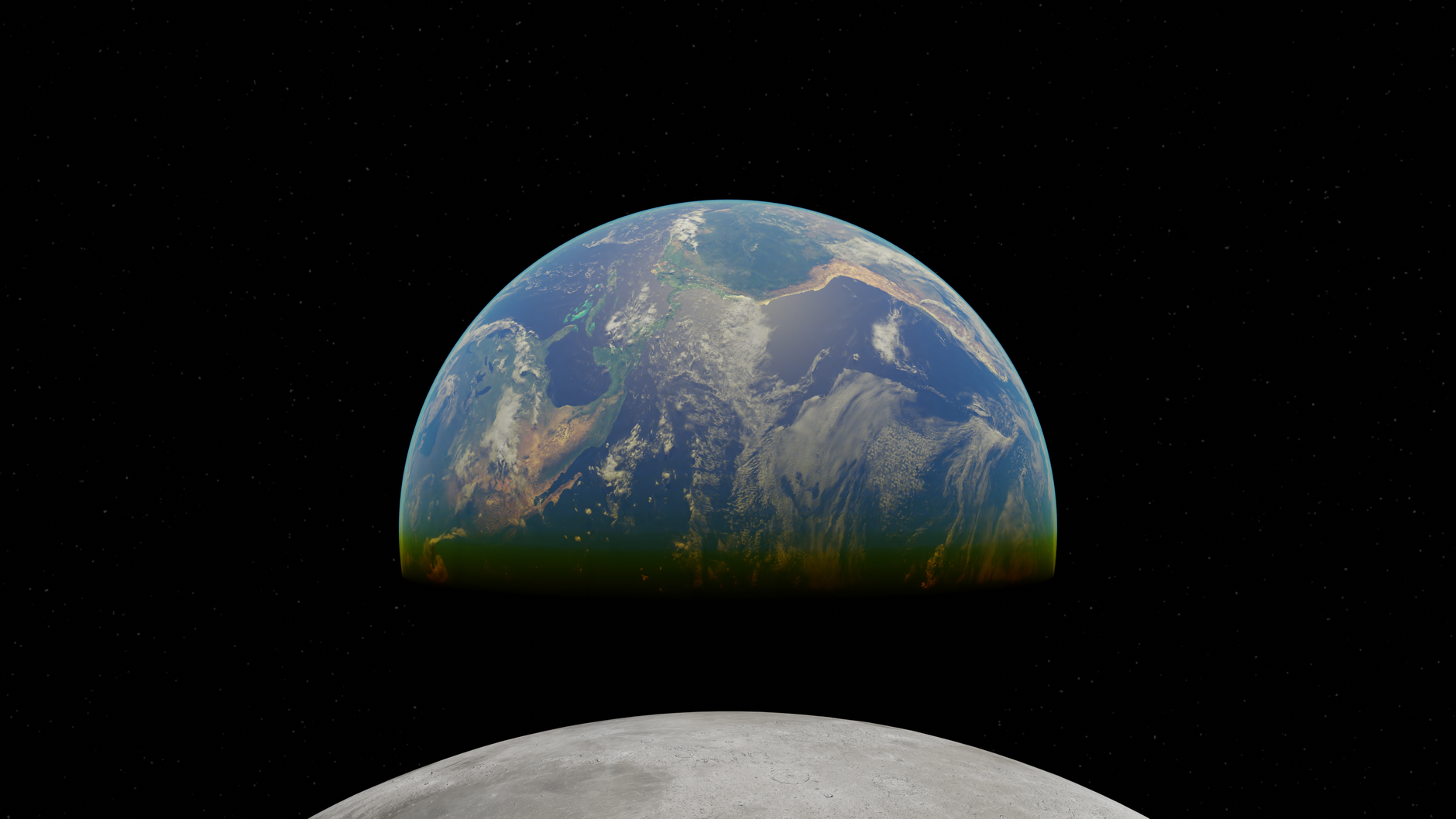
In a bold leap towards sustainable space exploration, NASA, in collaboration with the Canadian Space Agency (CSA) and the German Aerospace Center, is taking significant strides to cultivate crops on the Moon. This tri-national alliance has signed a joint statement to begin preparatory work on an Earth-based demonstrator, which will serve as a prototype to test and refine lunar agriculture techniques.
The project is not merely about planting seeds in extraterrestrial soil. It's about revolutionising how future space missions sustain themselves, reducing reliance on Earth-based supplies. The potential to grow crops on the Moon could prove pivotal for long-term lunar missions, providing astronauts with fresh produce that can offer essential nutrients, enhance their diet, and contribute to life-support systems by recycling air and water.
NASA's Gioia Massa, a leading scientist in space crop production, has highlighted the importance of self-sustainability in space colonisation. 'If we ever want to be self-sustainable in space colonisation, plants will be integral,' she noted, underscoring the vital role of agriculture in supporting deep-space crews.
The effort is buoyed by previous successes in space farming. Lettuce grown aboard the International Space Station (ISS) was found to be safe for consumption and nutritionally comparable to its Earth-grown counterparts. Such achievements have laid a solid foundation for the upcoming lunar agricultural trials.
While the idea of space crops might seem the stuff of science fiction, the scientific community is taking it seriously. The implications extend beyond mere sustenance. Space crops could potentially absorb carbon dioxide, produce oxygen, and recycle water, making them indispensable components of a self-sustaining space habitat.
The road ahead is fraught with challenges, from developing soil analogues that mimic lunar conditions to ensuring plants can withstand reduced gravity and radiation. Yet, the potential rewards are immense. Successfully growing crops on the Moon could be a game-changer, heralding a new era of exploration where humans are not merely visitors but residents of celestial bodies.


