NASA-Backed Discovery: Amoeba Thrives in Record Heat
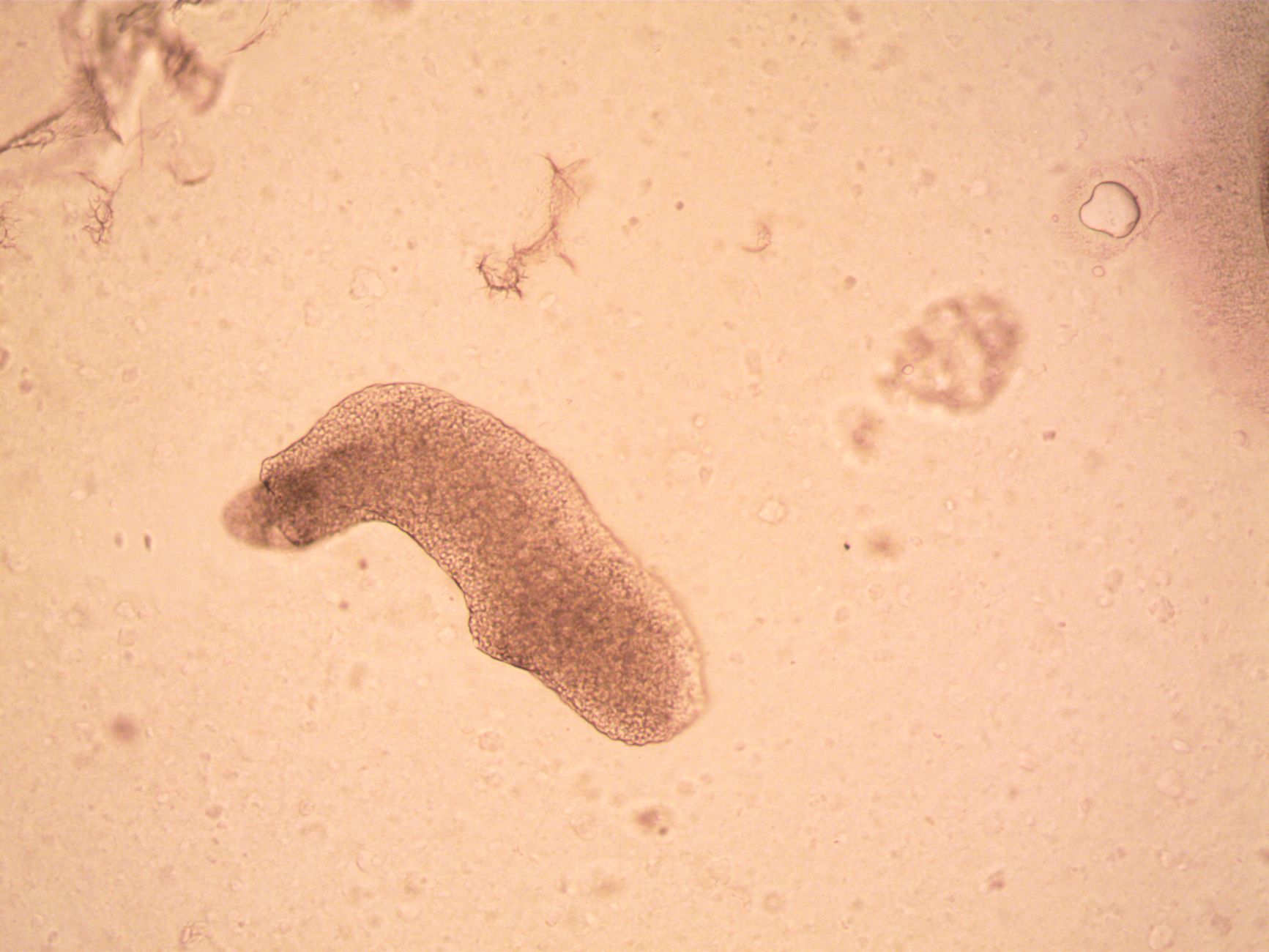
In the steaming waters of California's Lassen Volcanic National Park, scientists have stumbled upon a microscopic marvel that defies conventional boundaries. The discovery of the 'fire amoeba', an organism that thrives at a scorching 63°C, has set the scientific community abuzz with excitement. This peculiar creature, found by NASA-funded researchers, is rewriting the textbooks on the limits of life.
Traditionally, high temperatures have been considered inhospitable for complex life forms due to the breakdown of essential biomolecules. Yet, this hardy amoeba, thriving in the park's geothermal streams, challenges such assumptions. The implications of this discovery extend beyond Earth's confines, hinting at possible life forms that could exist in similarly extreme environments on other planets.
A New Frontier in Astrobiology
The researchers, who meticulously collected samples from the park's steaming waters between 2023 and 2025, were initially sceptical about finding any complex life in such extreme conditions. However, the fire amoeba's ability to reproduce at 63°C has pushed the known thermal limits for organisms with cell nuclei.
This breakthrough raises intriguing possibilities for astrobiology. If life can thrive in such extreme conditions on Earth, it suggests that life could potentially exist in the harsh environments of other celestial bodies, such as the icy moons of Jupiter and Saturn, where geothermal activity is suspected.
Revisiting the Boundaries of Life
The discovery has prompted scientists to reconsider what constitutes a habitable environment. It underscores the resilience and adaptability of life, posing questions about the potential for discovering similarly resilient organisms elsewhere in our solar system.
While the fire amoeba's discovery is a triumph of scientific curiosity and perseverance, it also serves as a reminder of the vast unknowns that still lie within our planet's extreme environments. As researchers continue to explore these frontiers, each new discovery brings us closer to understanding the possibilities of life beyond Earth.