NASA Study Uncovers Life Thriving in Record Heat
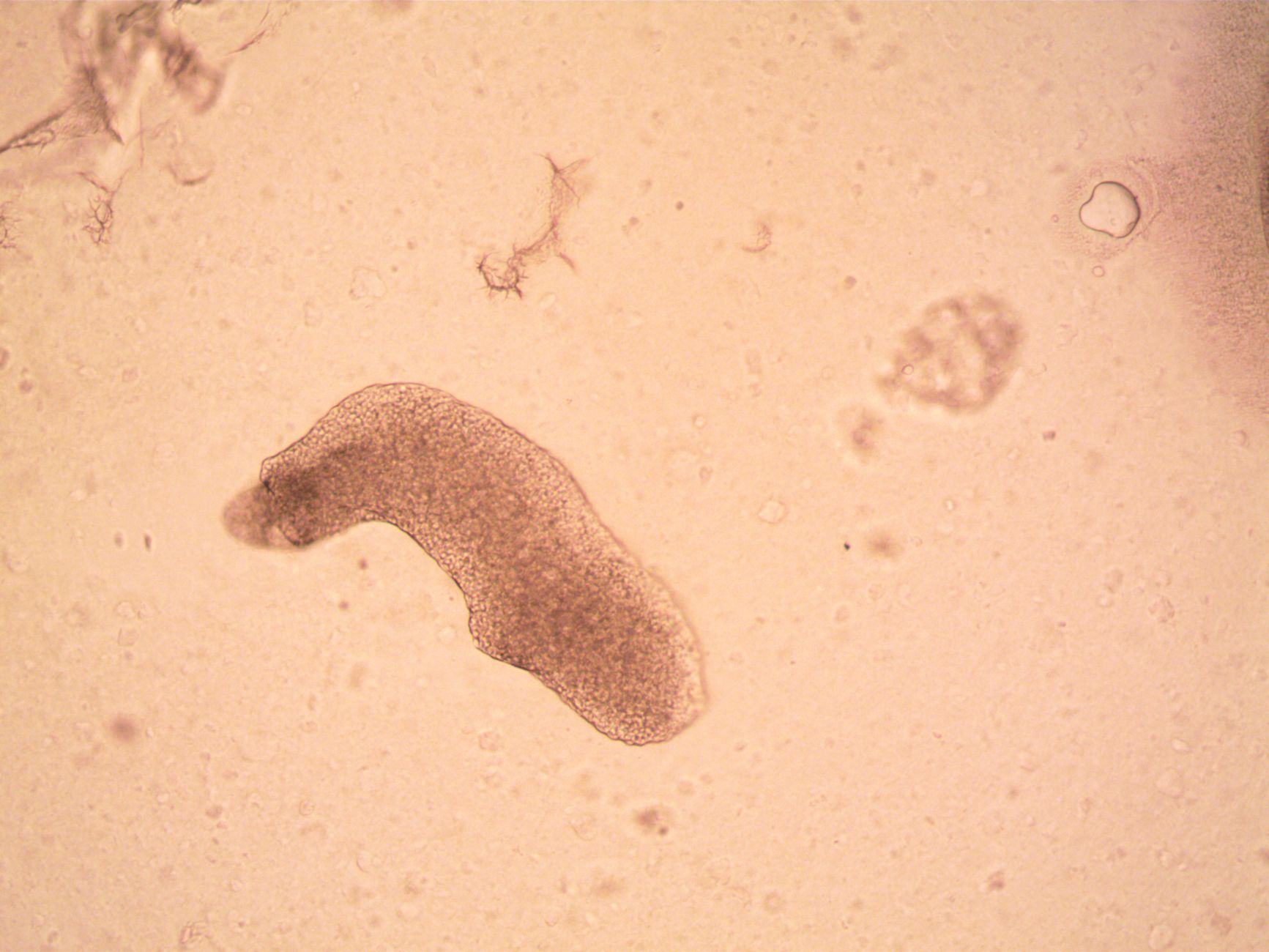
In a revelation that stretches the boundaries of biological understanding, scientists funded by NASA have uncovered a new species of amoeba that thrives in temperatures once deemed uninhabitable for complex life. Found in the steamy environs of California, this 'fire amoeba' has shown a remarkable ability to reproduce at a scorching 63°C.
Traditionally, such high temperatures are known to cause proteins and other critical biomolecules within cells to unravel, leading to cellular dysfunction. This discovery, therefore, challenges longstanding scientific assumptions regarding the limits of eukaryotic life—organisms with complex cells.
Pushing the Limits of Life
The research, led by Beryl Rappaport, a graduate student at Syracuse University, has not only raised eyebrows but also opened new avenues in the quest for extraterrestrial life. Rappaport's team sequenced the genome of this amoeba, discovering that it possesses additional genes linked to protein maintenance and DNA repair. These genetic adaptations likely provide the organism with its extraordinary heat tolerance.
Alison Olcott, the programme scientist for Exobiology at NASA, remarked that this discovery expands the horizons for finding complex life in the cosmos. 'It broadens our understanding of where life can exist and survive,' she noted, hinting at the implications for astrobiology.
Implications for Astrobiology
The implications of this discovery are profound. As scientists seek life beyond Earth, understanding how organisms can survive in extreme environments is paramount. This research not only informs models of life's potential on planets with harsh conditions but also inspires a reevaluation of the tenacity of life on Earth.
While heat is just one factor, the resilience displayed by the fire amoeba suggests that life might endure in places previously written off as inhospitable. This revelation could influence the direction of future space missions, steering them towards locales previously overlooked.
As humanity peers into the stars, it's discoveries like these that remind us of life's astonishing ability to adapt, persevere, and flourish against the odds.