NASA Swift Observatory Reignites Cosmic Exploration
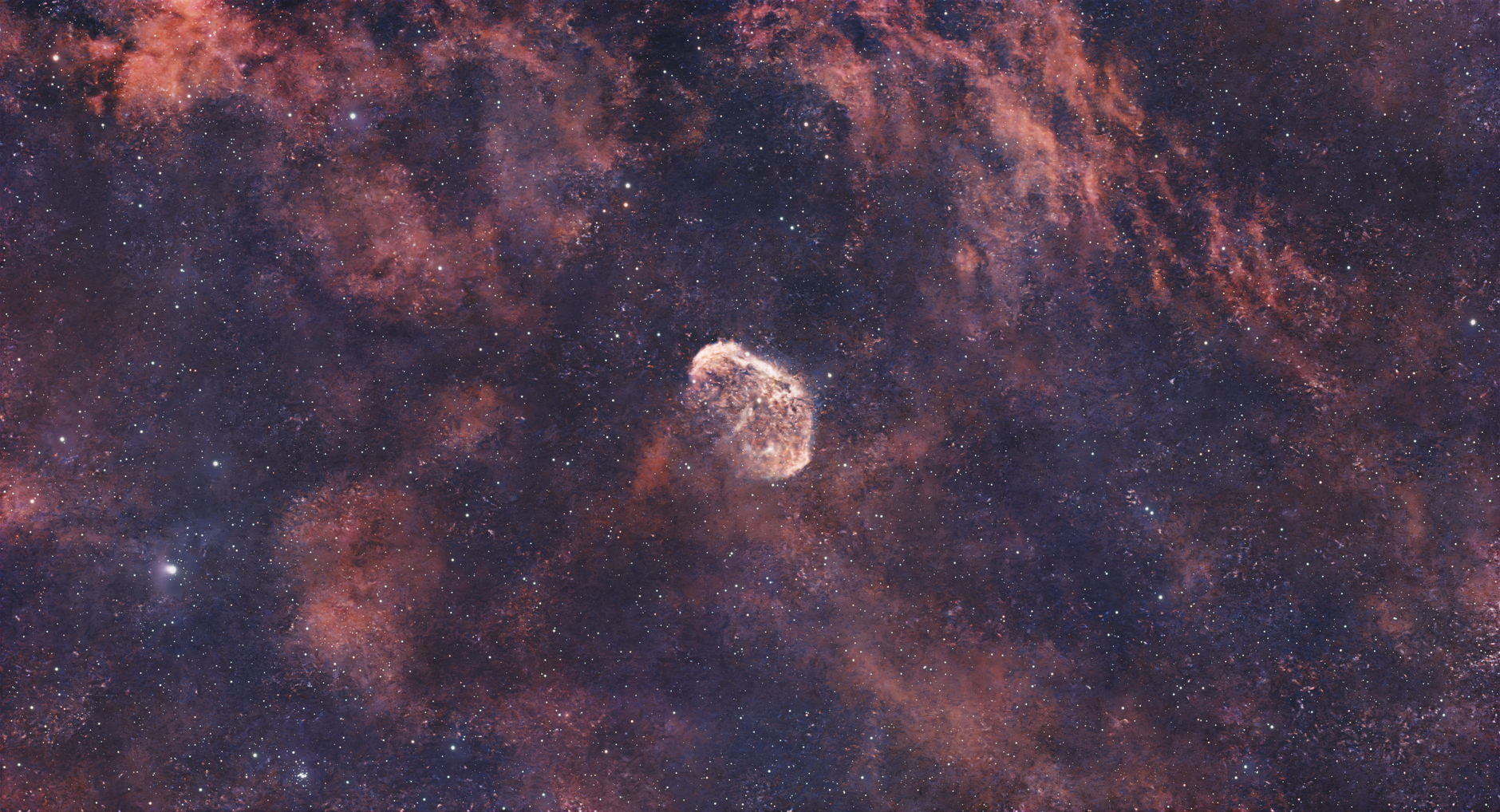
In a bold stride towards the heavens, NASA's Neil Gehrels Swift Observatory has reignited its cosmic capabilities by powering on its third instrument, the Burst Alert Telescope. This move, akin to a symphony regaining its missing notes, marks the observatory's return to full operational vigour, enabling it to scan the skies for high-energy bursts once more.
The reopening of the Burst Alert Telescope, a tool designed to detect gamma-ray bursts—some of the most energetic events since the Big Bang—has been eagerly anticipated by astronomers worldwide. Since going offline in April, the telescope's dormancy had curtailed the observatory's full potential, with solar panel adjustments taking precedence to minimise atmospheric drag.
Now, with the telescope back in action, flight controllers have also re-enabled the automated slewing feature. This allows the observatory to swiftly reposition its instruments to capture fleeting cosmic phenomena, a capability that had been temporarily suspended. This feature is crucial for the rapid observation of unpredictable high-energy events, providing scientists with invaluable data to unravel the mysteries of the universe.
Why It Matters
The significance of this technological revival extends beyond mere scientific curiosity. Gamma-ray bursts are pivotal in understanding the universe's structure and evolution. By observing these bursts, researchers can infer details about the death of massive stars, the formation of black holes, and the conditions of the early universe.
The Swift Observatory, since its launch in 2004, has been instrumental in these discoveries. Its ability to quickly detect and observe gamma-ray bursts has made it a cornerstone of astrophysical research. The restoration of its capabilities ensures that scientists can continue to push the boundaries of human knowledge, exploring questions as old as the cosmos itself.
A Look Ahead
As the Swift Observatory resumes its celestial watch, the global scientific community waits with bated breath. The data collected not only promises to illuminate the darkness of space but also to inspire the next generation of astronomers. In the grand tapestry of the cosmos, the Swift Observatory's restored vision brings us one step closer to understanding our place among the stars.