
NASA Uncovers Life Thriving in Unprecedented Heat
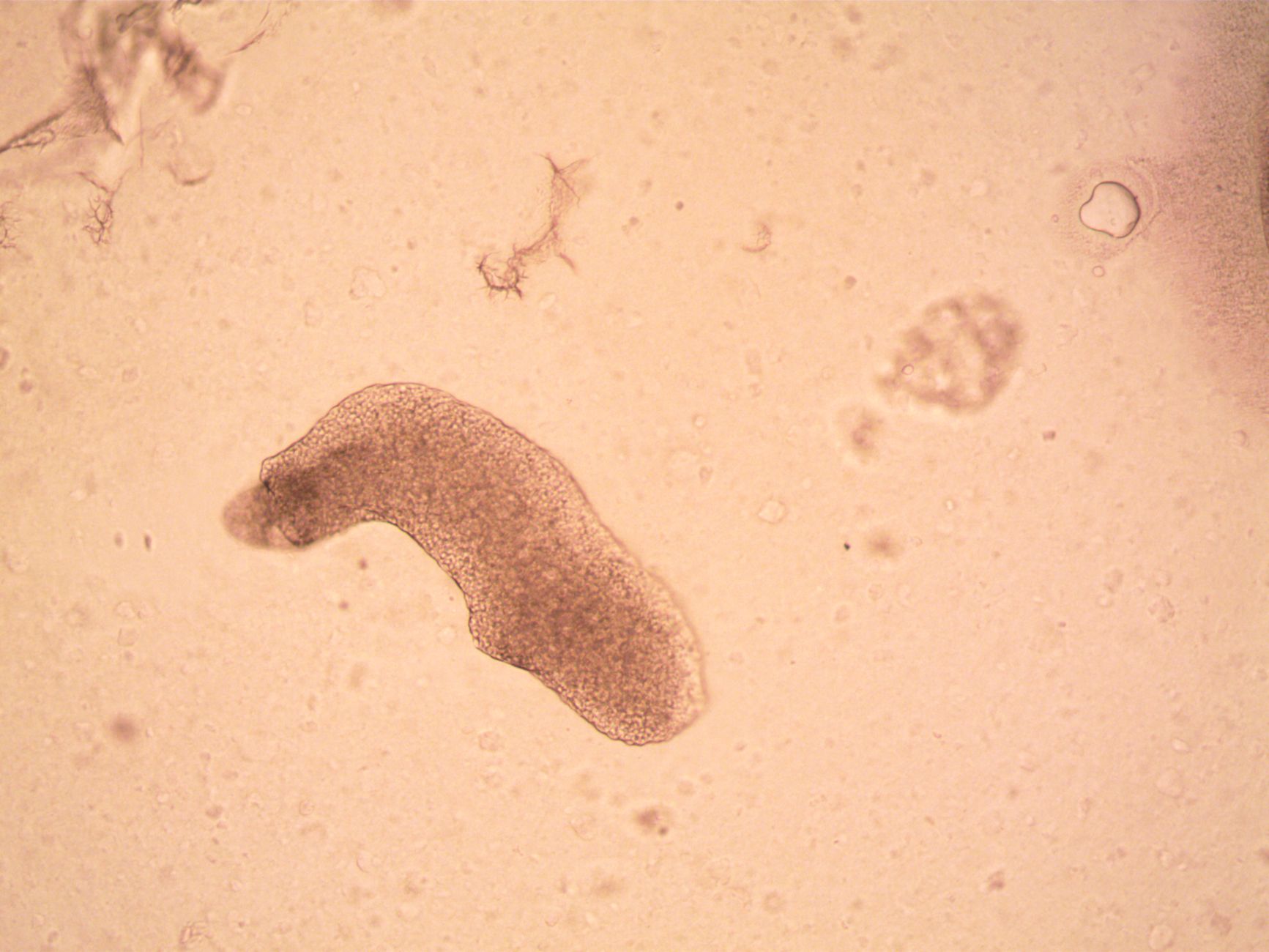
In the arid expanses of California, a microscopic marvel has emerged that could alter our understanding of life's resilience. Scientists, funded by NASA, have unveiled an amoeba that thrives in temperatures reaching a scorching 63°C, a feat previously unheard of for complex organisms. This discovery, led by Syracuse University's Beryl Rappaport, has not only set a new record but has also reignited debates about the limits of life.
The organism in question, dubbed the 'fire amoeba', has been found to reproduce comfortably in conditions that would typically dismantle the proteins and biomolecules vital for cellular function. It even demonstrates a remarkable ability to recover from brief exposures to even higher temperatures, a testament to its extraordinary adaptability.
Alison Olcott, NASA's Exobiology program scientist, highlighted the significance of these findings. "This discovery significantly broadens our scope in the search for life in the universe," she stated. With the potential to survive extreme environments, such organisms could exist on planets and moons previously dismissed as too inhospitable.
Historically, the search for life beyond Earth has been limited by our terrestrial understanding of habitable conditions. However, this discovery suggests that life's tenacity might extend into realms of heat and pressure beyond our previous imaginings. As NASA continues its quest for extraterrestrial life, these findings could inform future missions, guiding spacecraft to explore more extreme environments where similar resilient life forms could exist.
The implications of this research stretch beyond astrobiology. Understanding how these organisms endure such conditions could lead to advances in biotechnology and medicine, offering insights into protein stability and resilience. As we continue to probe the depths of our own planet, the lessons learned could pave the way for innovations that benefit humanity in unexpected ways.


