NASA Unveils Visionary Concepts for Future Space Exploration
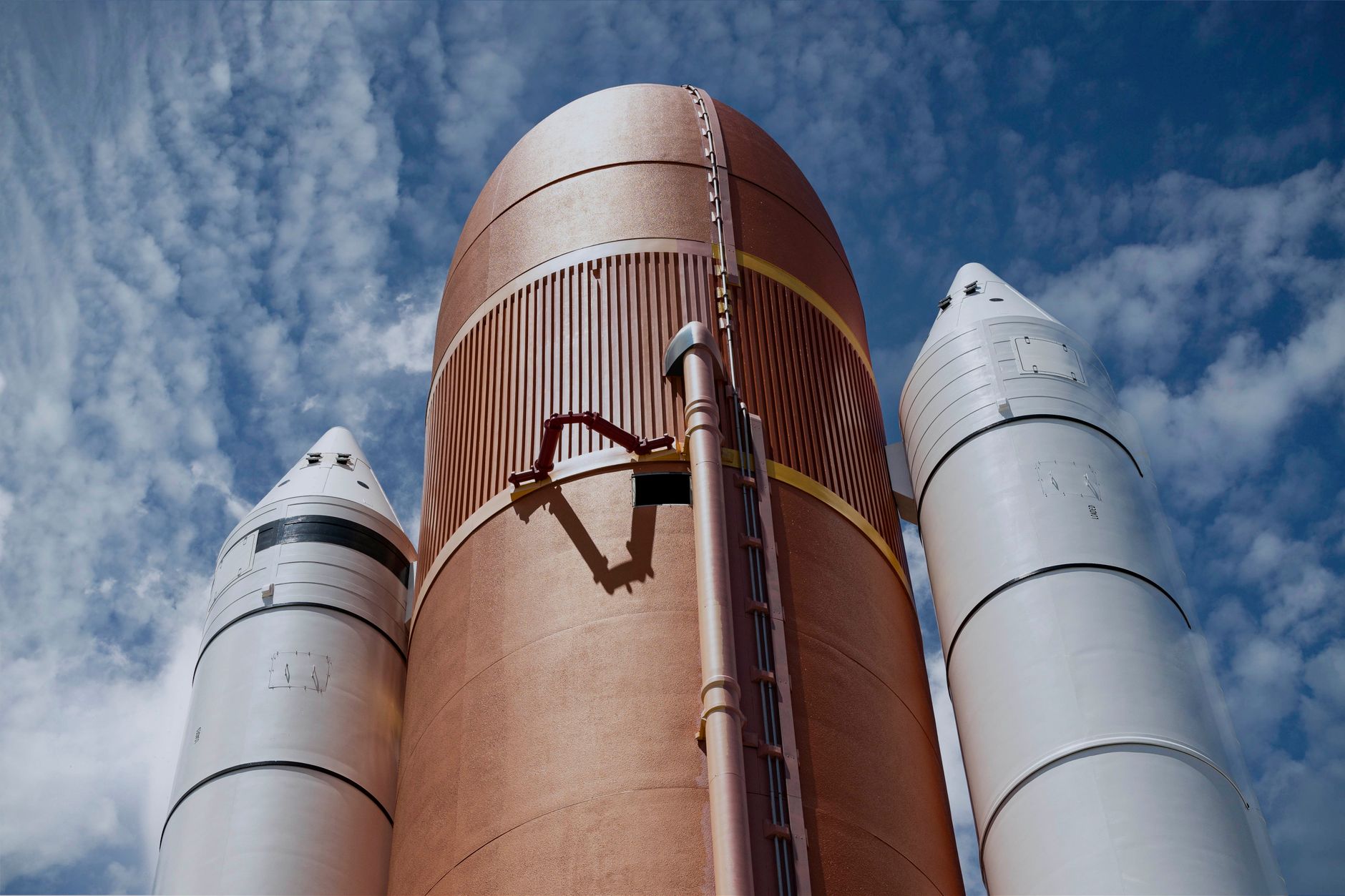
In a move that underscores its commitment to pushing the boundaries of what's possible in space technology, NASA has announced the recipients of its 2026 Innovative Advanced Concepts (NIAC) awards. Eighteen pioneering projects have been selected, each promising a glimpse into the future of aerospace exploration.
The NIAC programme, known for its penchant for nurturing avant-garde ideas, is not about immediate results. Instead, it sows the seeds of innovation that may one day flourish into the missions of tomorrow. Each awardee will receive up to $175,000 for a nine-month initial investigation, providing them with the resources to refine their concepts.
A Vision for the Future
These projects range from cutting-edge propulsion systems to novel approaches in understanding the universe's mysteries. Among the awardees are ideas that could potentially reshape our approach to extraterrestrial exploration. For instance, concepts that explore the use of solar sails for long-distance travel or novel ways to harness lunar resources.
While these projects remain in the conceptual phase, the potential implications are vast. They represent a blend of imagination and scientific rigour, challenging current technological limits and inspiring new possibilities.
The Broader Impact
The significance of the NIAC awards extends beyond the immediate recipients. By fostering a culture of innovation, NASA aims to encourage broader participation in space exploration technologies. This not only involves established institutions but also opens doors for entrepreneurial startups, which have also been awarded under complementary programmes like the Entrepreneur’s Challenge.
NASA's approach reflects a broader understanding that the future of space exploration will likely be a collaborative effort, involving diverse stakeholders from around the globe. As the space agency continues to support these nascent ideas, the hope is that they will eventually lead to breakthroughs that redefine human capabilities in space.
Thus, while these concepts remain on the drawing board, their potential to transform our understanding of the universe is undeniable. As these projects progress, they could usher in a new era of exploration, challenging us to rethink what is possible beyond our earthly bounds.