
NASA's Accidental Discovery: A Rare Moon Crater
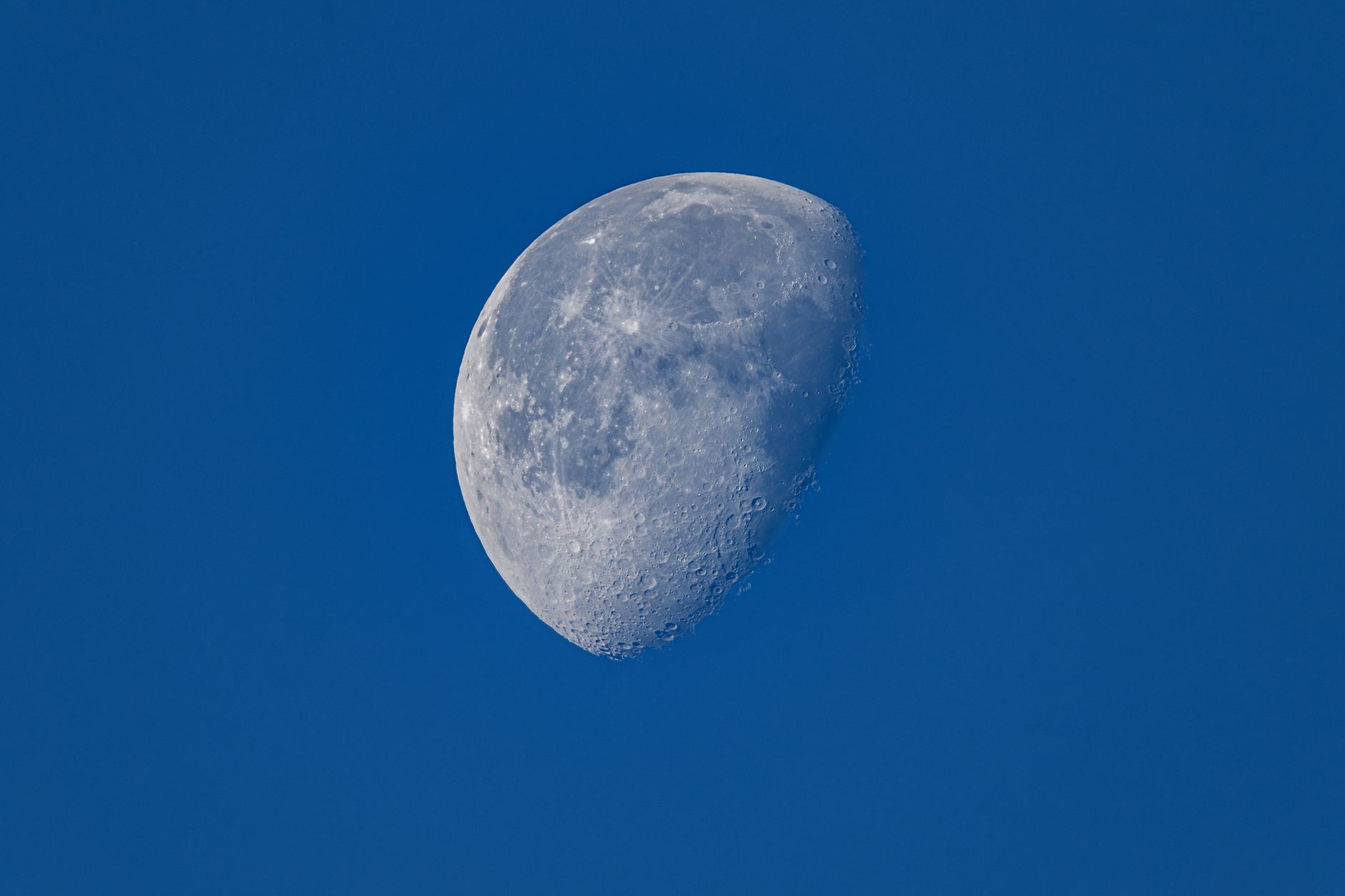
It was not a comet, nor a meteor shower that heralded the discovery. Instead, it was a scientist's keen eye during a mundane data-quality check that led to NASA's latest celestial revelation. Robert Wagner, as he scrutinised the moon's surface via the Lunar Reconnaissance Orbiter's (LRO) detailed images, stumbled upon an unexpected guest: a bright new crater, encircled by a dark halo, on the Moon's eastern edge.
The crater, believed to have formed between April and May 2024, is a result of an impact by a comet or asteroid. Its size, comparable to a building of three to six storeys, has made it a subject of great interest among scientists. Such formations are rare, occurring once in a century, if not longer, and often escape detection by telescopes both on Earth and in orbit.
The Significance of the Discovery
This crater's emergence, whilst a geological curiosity, offers much more than aesthetic novelty. It provides scientists with a fresh window into the Moon's history and the solar system's dynamic environment. Each new impact site tells a story of cosmic events, revealing the frequency and scale of such impacts. Understanding these can aid in predicting future celestial events and potentially safeguarding Earth.
Moreover, the detection process itself underscores the importance of continuous monitoring and the serendipitous nature of scientific discovery. The LRO, whose primary mission is to map the Moon's surface, inadvertently became a key player in spotting this significant lunar feature.
A Glimpse into the Future
As scientists pore over the data, there is talk of potential follow-up missions to study the crater in situ. Such missions could yield unprecedented insights into the Moon's crust and the kinetic forces at play during such high-energy impacts. Meanwhile, for the rest of us, the discovery serves as a reminder of the Moon's ever-changing landscape and the infinite mysteries it holds.
For now, the Moon watches silently over the Earth, its fresh scar a testament to the cosmic ballet that continues above our heads.


