
NASA's Artemis Accords: A New Era for Open Science and Data Sharing
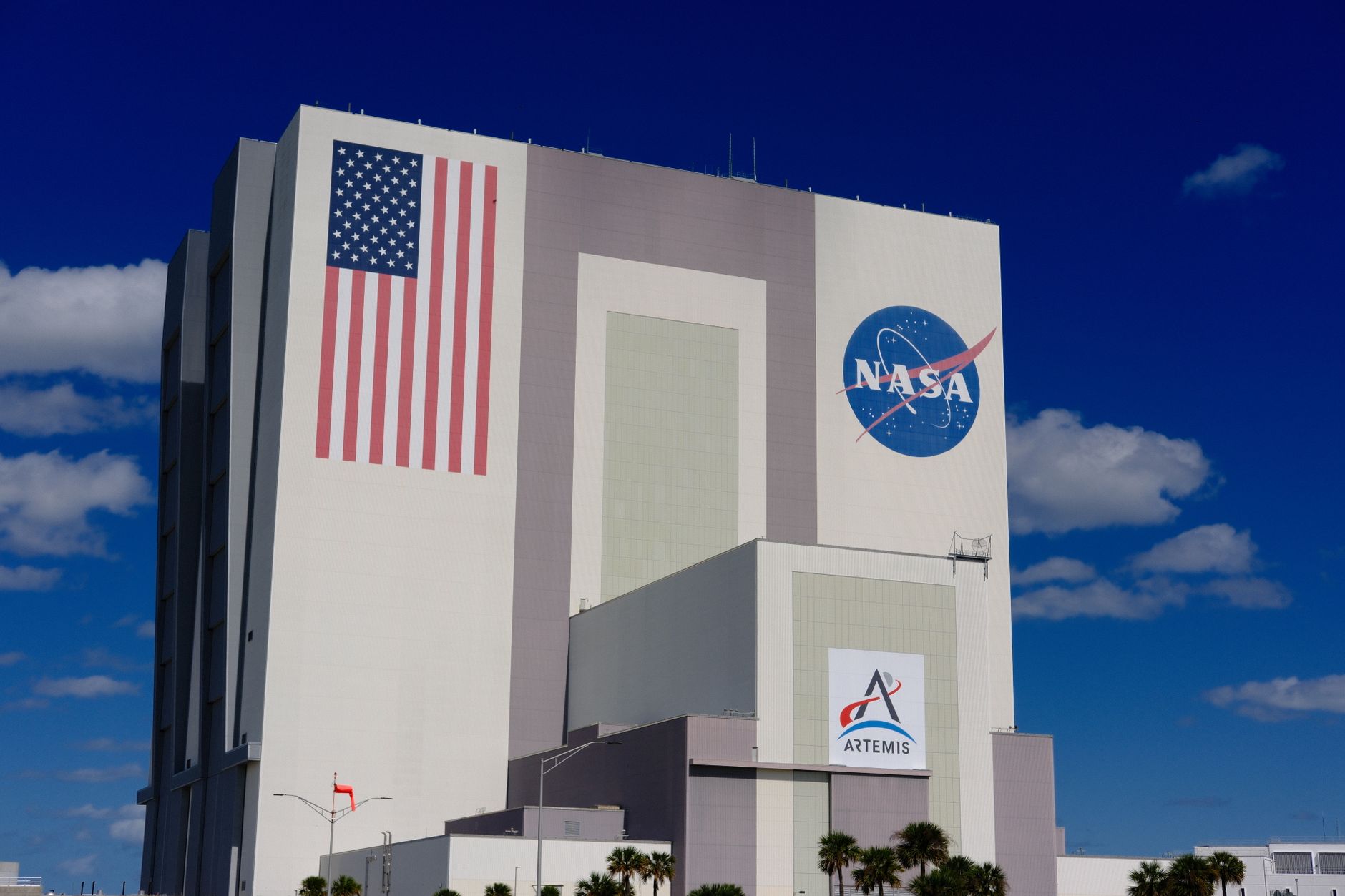
In a move poised to reshape the future of lunar exploration, NASA has bolstered its commitment to open science through the Artemis Accords. This international framework, which now includes 30 signatory countries, is not just a pact for peaceful space exploration; it is a clarion call for shared knowledge and collaborative discovery.
The Artemis Accords, named after the twin sister of Apollo and goddess of the Moon in Greek mythology, seeks to establish a common set of principles to govern the civil exploration and use of outer space. Central to these principles is the open sharing of scientific data—an ethos that NASA has long championed.
A Global Commitment
India's recent accession to the Accords, as the 27th member, highlights the growing international consensus on the importance of transparency in space exploration. By joining, India aligns itself with a vision that transcends national interests, focusing instead on collective advancement. This aligns with NASA’s own practices, honed over decades of data stewardship.
The collaboration fostered by the Artemis Accords aims to prevent the hoarding of lunar findings within silos of national or agency boundaries. By making scientific data publicly accessible, the initiative ensures that breakthroughs belong to humanity as a whole, thus fostering innovation and accelerating progress.
Challenges and Opportunities
Of course, such openness is not without its challenges. Concerns about data security and intellectual property rights are among the hurdles that must be navigated. Yet, the potential gains far outweigh these risks. The open-access model championed by the Accords could lead to unprecedented levels of cooperation and innovation, akin to the scientific revolutions sparked by the sharing of knowledge in other fields.
As the Artemis missions set their sights on returning humans to the Moon and potentially establishing a sustainable presence, the foundation of open science will be crucial. By sharing methodologies, data, and findings, the global scientific community stands to benefit immensely, paving the way for a new era of exploration.
NASA's initiative under the Artemis Accords is a bold step forward, one that reaffirms the belief that knowledge, much like space, is limitless and should be shared by all.


