NASA's Astonishing Discovery: Life Thrives in Scorching Heat
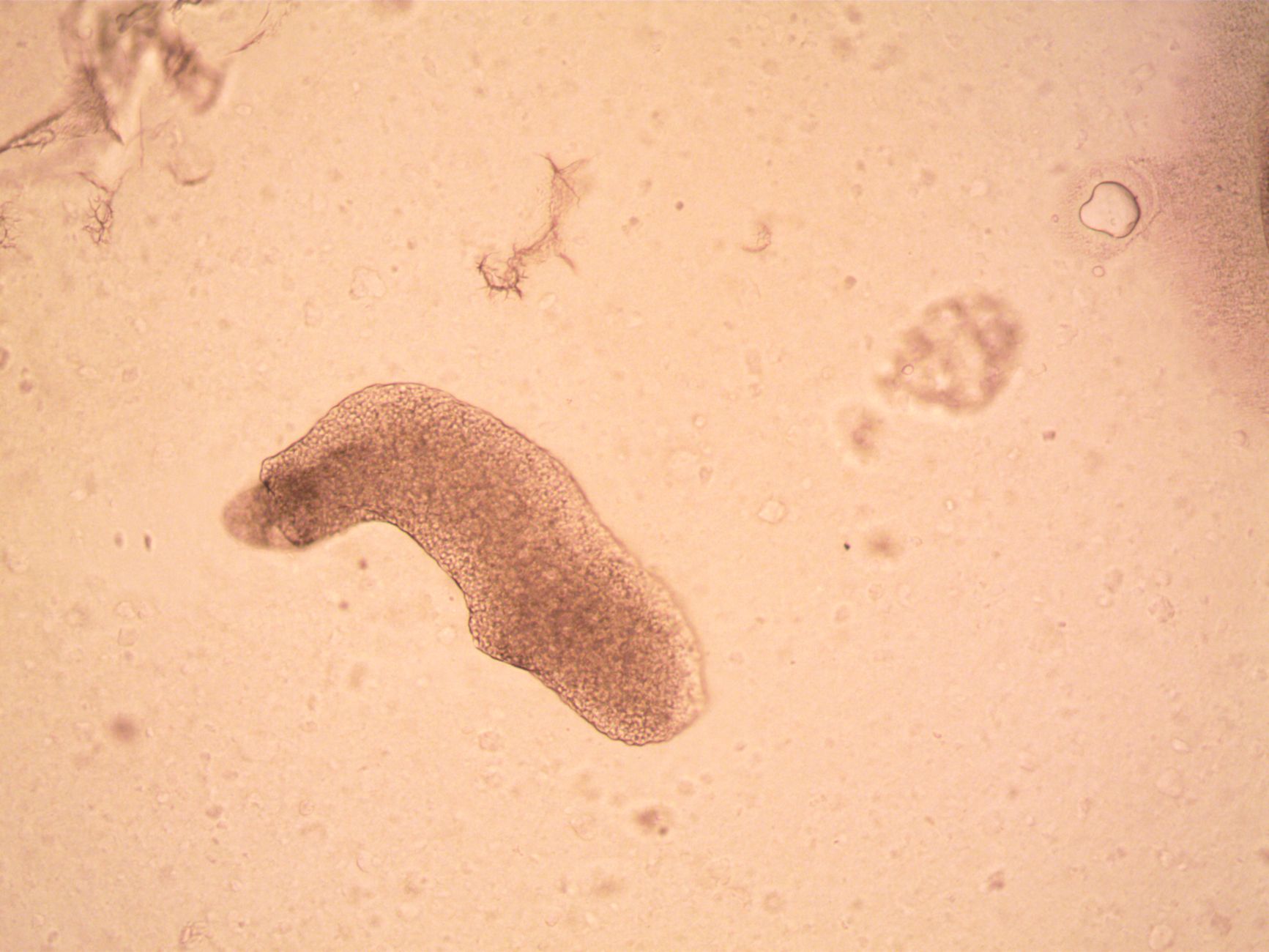
In the steamy cauldron of California's Lassen Volcanic National Park, a microscopic marvel has rewritten the rulebook on life's resilience. Scientists, funded by NASA, have discovered a type of amoeba that not only survives but thrives at a scorching 63°C, shattering previous records for eukaryotic life.
For decades, biologists have contended with the belief that complex life, characterised by eukaryotic cells with nuclei, could not withstand such extreme heat. Proteins and other vital biomolecules, it was thought, would simply unravel and cease to function. Yet, this fiery amoeba defies such assumptions, presenting a tantalising glimpse into the possibilities of life in extreme conditions.
Expanding the Horizons of Life
The implications of this discovery are as profound as they are exciting. Alison Olcott, a programme scientist for Exobiology at NASA Headquarters, remarked that this finding vastly expands the scope of discovering complex life, not just on Earth, but potentially on other planets as well. If life can thrive in the boiling springs of California, why not in the superheated environments elsewhere in the universe?
Lead author Beryl Rappaport, a graduate student at Syracuse University, noted that while heat is a formidable challenge, it is only one of many environmental hurdles life might face. "We must consider that life can adapt to a wide array of conditions," Rappaport stated, hinting at the broader implications for astrobiology.
A New Frontier for Astrobiology
This discovery urges scientists to reconsider the potential habitats for life in our solar system and beyond. The extremities once thought inhospitable might, in fact, harbour thriving ecosystems. The search for life on Mars, Europa, or exoplanets within the habitable zone could take on new directions, informed by this terrestrial hot spring's inhabitants.
As researchers continue to explore the limits of life on Earth, each discovery like this one nudges open the door to the cosmos just a bit wider. In the burning heart of a volcanic spring, the promise of life beyond our planet flickers with renewed hope.