NASA's Daring Next Step in Lunar Technology with CAPSTONE Mission
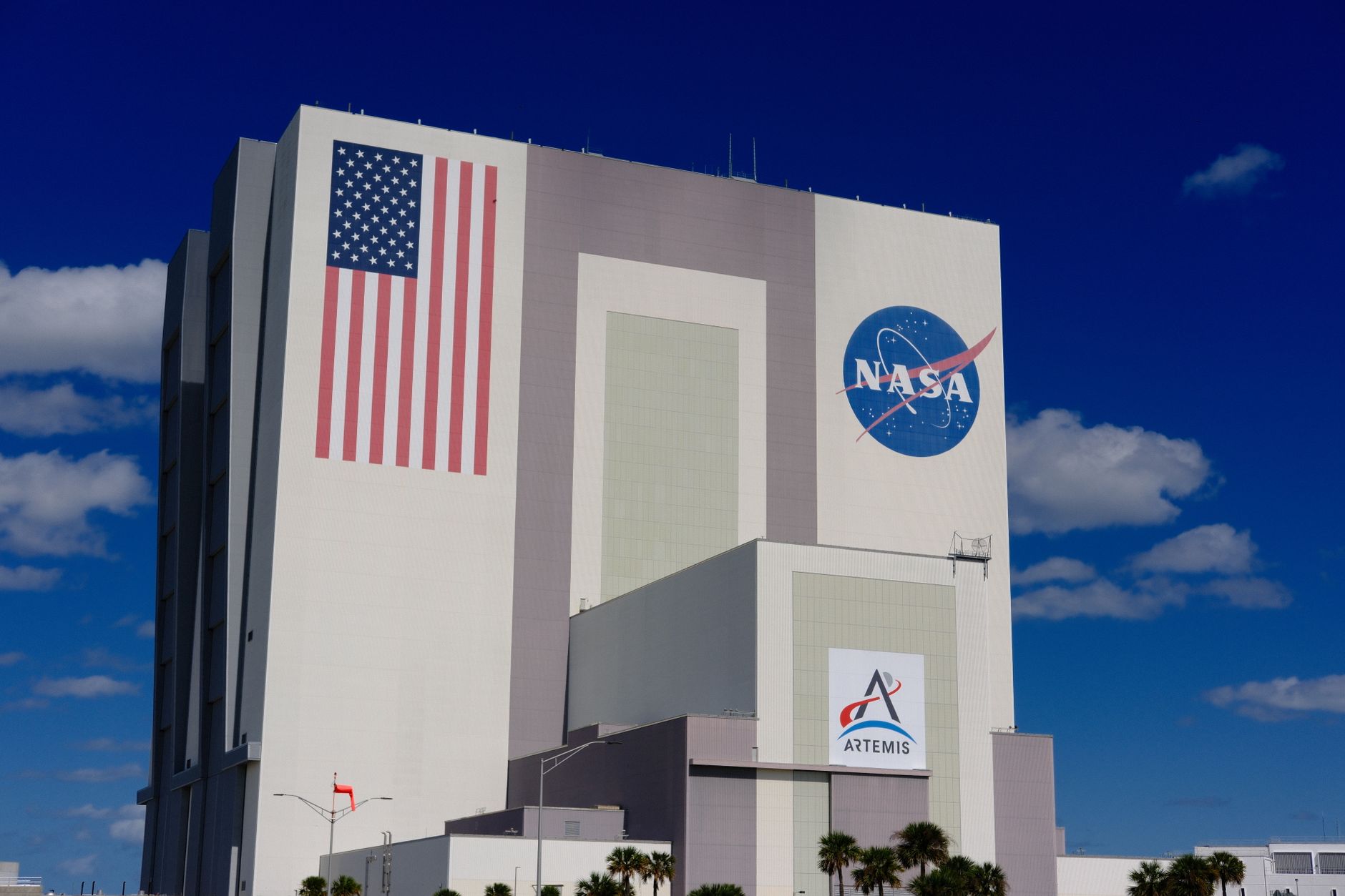
In a bold move to redefine lunar exploration, NASA has launched the CAPSTONE mission, featuring two small yet highly sophisticated spacecraft. These 400-kilogram marvels, developed by Terran Orbital Systems, Inc., are set to perform a series of intricate manoeuvres in lunar orbit. The mission's primary goal is to test and validate cutting-edge technologies that will underpin future Artemis missions and broader deep space exploration ambitions.
Advancing Lunar Navigation
Central to this mission is the demonstration of advanced positioning and navigation technologies. These capabilities are crucial as NASA seeks to establish a sustainable presence on the Moon, a key objective of its Artemis programme. The CAPSTONE spacecraft will operate in a near rectilinear halo orbit, a unique trajectory that has never before been used in a lunar mission. This orbit is strategically chosen to maximise the efficiency and longevity of lunar operations.
The mission’s innovative use of existing CAPSTONE hardware as a platform for new applications post-launch is a testament to NASA’s commitment to cost-effectiveness and flexibility. By transforming the hardware into a dynamic lunar technology demonstration platform, NASA is paving the way for more affordable and adaptable space missions.
Implications for Future Exploration
This mission is not merely a technological demonstration; it represents a significant step towards long-term lunar exploration and habitation. By mastering the challenging art of formation flying and proximity operations in lunar orbit, NASA is laying the groundwork for more complex operations in the future. These skills are vital for the planned Moon Base and, ultimately, for missions venturing beyond the lunar environment to Mars and other deep space destinations.
As the world watches, NASA’s CAPSTONE mission is setting the stage for a new era of space exploration. With its focus on innovation and sustainability, the mission underscores the agency’s role as a leader in advancing human knowledge and capability in space.