NASA's Daring Pursuit of the Moon's Shadow for Eclipse Insights
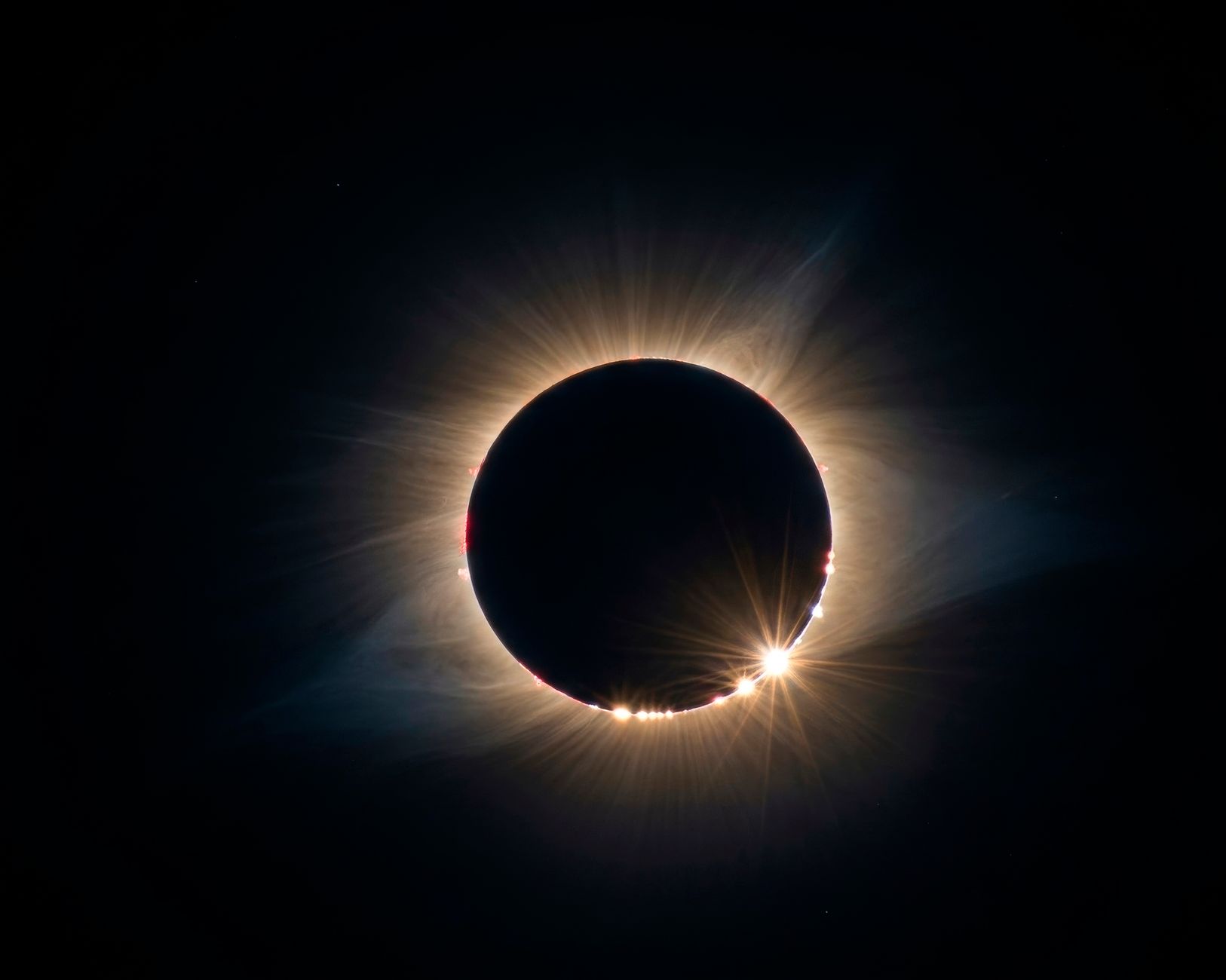
In a remarkable display of aeronautical precision and scientific curiosity, NASA's Johnson Space Center has taken to the skies in a bid to chase the elusive shadow of the moon. This daring mission involves pilots flying the high-altitude WB-57F aircraft from Houston to Iceland, where they will intercept the path of totality during a solar eclipse.
As the moon elegantly slides between the Earth and the sun, casting a fleeting shadow across the planet, these pilots are tasked with capturing invaluable data. The sun's corona, a mysterious halo of plasma, becomes visible only during such eclipses, offering scientists a rare opportunity to study its properties. Understanding this outermost part of the sun is critical, not least because it influences space weather, which can disrupt satellites and communications on Earth.
Why Iceland?
The choice of Iceland as the base for this operation is no accident. Positioned strategically under the path of totality, Iceland provides an optimal vantage point for observing the eclipse. The island's unique location allows for extended periods of totality, giving scientists a precious few extra seconds of observation compared to other locations.
The project, drawing international attention, underscores the collaborative nature of modern astronomy. Scientists and enthusiasts from around the globe have converged upon Iceland, each eager to witness and contribute to this celestial spectacle.
Science in the Shadows
The mission's significance extends beyond mere observation. The data collected will inform our understanding of how the corona influences solar winds and solar storms. These phenomena have direct implications for Earth's magnetic field and can affect everything from power grids to GPS systems.
As the WB-57F aircraft slices through the sky, equipped with sophisticated imaging instruments, it represents the cutting edge of scientific endeavour. By dissecting the sunlight scattered by the corona, researchers hope to unlock secrets that have eluded humanity for centuries.
In the grand tapestry of the universe, a solar eclipse is but a brief moment of alignment. Yet, for the scientists aboard those NASA aircraft, it is an unparalleled opportunity to gaze into the heart of our solar system's star.