NASA's New Era of Small Spacecraft: A Lunar Odyssey
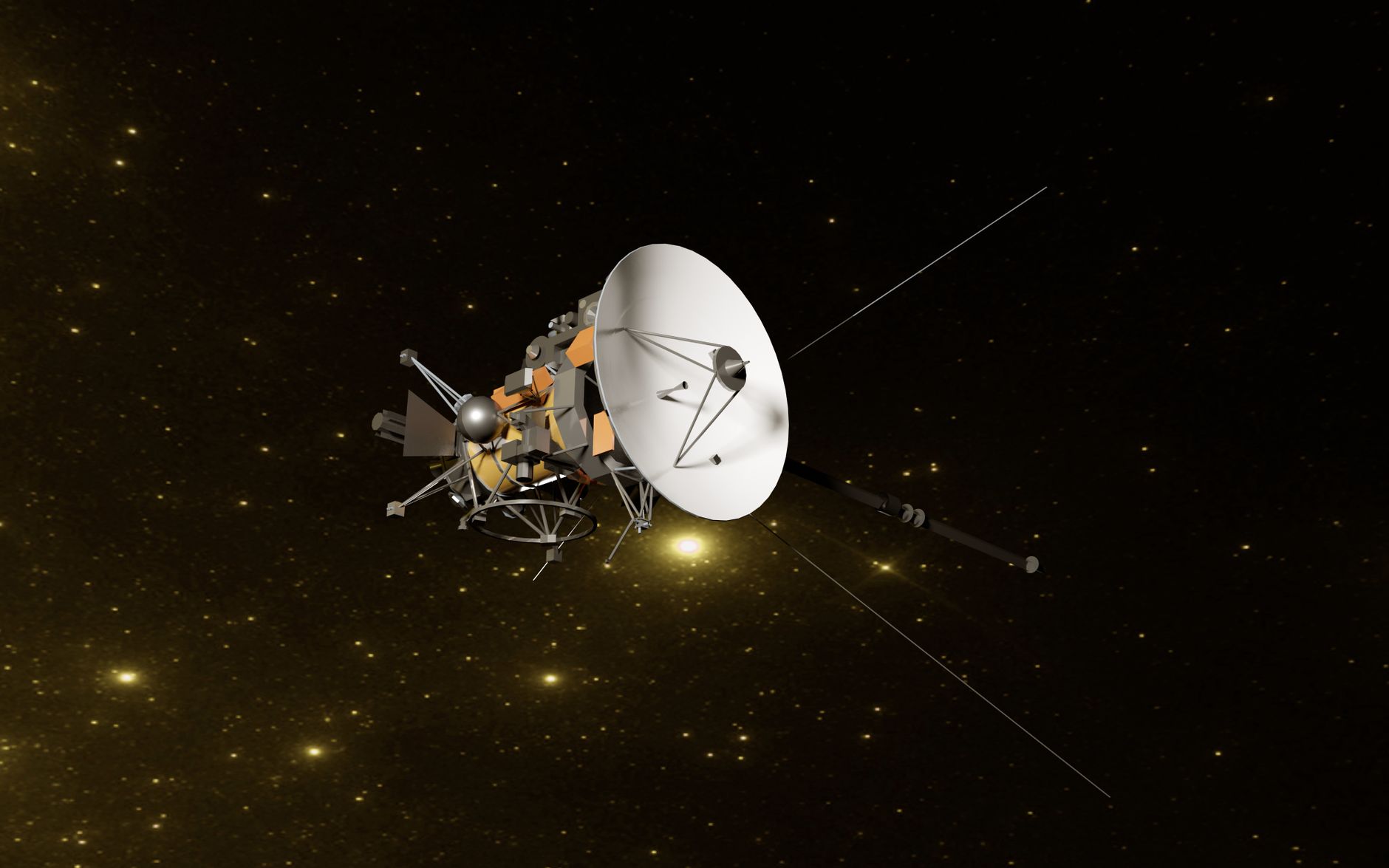
In a bold stride towards lunar exploration, NASA has unveiled its latest mission designed to test cutting-edge technologies using small spacecraft at the Moon. This initiative, spearheaded by the Small Spacecraft Technology programme within NASA’s Space Technology Mission Directorate (STMD), promises to transform experimental challenges into enduring lunar capabilities.
The mission draws inspiration from the Clementine mission of 1994, which set the benchmark for lightweight, innovative spacecraft. Clementine's success in demonstrating advanced technology has become a touchstone for modern missions, and NASA aims to build on this legacy.
An Ambitious Endeavour
Under the aegis of the STMD, the mission will deploy state-of-the-art technologies that have the potential to revolutionise how we interact with and understand the Moon. Christopher Baker, programme executive for the Small Spacecraft Technology, remarked, ‘Technology development through flight testing is how we convert hard problems into the lasting capabilities needed for a permanent presence at the Moon.’
This demonstration mission is not merely about technology for its own sake. It is a strategic manoeuvre to establish a sustainable presence on the Moon, which could act as a springboard for further exploration into the solar system.
Legacy and Future Prospects
The mission is detailed in a paper published in the IEEE Aerospace and Electronic Systems Magazine, outlining the objectives and expected outcomes. Small spacecraft, with their agility and cost-effectiveness, could be pivotal in future lunar missions.
As NASA continues to push the boundaries of space exploration, this mission marks a significant step in redefining our approach to the lunar presence. The potential success of these small spacecraft could herald a new era of space exploration, where innovation and sustainability go hand in hand.